


Why Georgia Is a Digital Nomad Haven
For years, Georgia has been a whispered secret among savvy travellers, but now it’s a headline act for the world’s remote workforce. The appeal is a powerful combination of factors. First and foremost is its incredibly liberal visa policy. Citizens of nearly
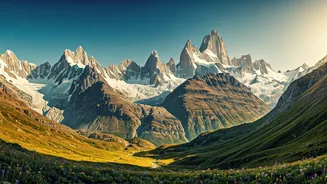
100 countries can enter and stay for up to a full year, visa-free. This removes the biggest bureaucratic headache for anyone looking to settle in for a few months. Beyond the paperwork, the country offers a staggeringly low cost of living compared to most Western nations. Your money simply goes further, whether it’s on food, transport, or accommodation. Add to that a legendary hospitality culture, a unique and delicious culinary scene, and a landscape that swings from Black Sea beaches to the sky-piercing peaks of the Caucasus, and you have a nearly perfect recipe for a remote work destination.
Decoding the Mountain Co-Living Hub
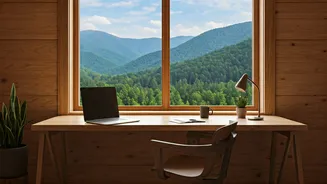
When you hear “co-living hub,” don’t just think of a hostel with Wi-Fi. These spaces are purpose-built for the modern professional who travels. They blend the private comfort of your own room with the communal energy of shared spaces. The non-negotiable? Fast, reliable internet, which is often a challenge in remote mountain areas but is a top priority for these hubs. The second key ingredient is a dedicated workspace. This might be a quiet library-style room or a buzzing open-plan office area, allowing you to separate your work life from your living space, even when they’re under the same roof. Finally, the most important element is community. These hubs are managed to foster connection, hosting communal dinners, skill-sharing workshops, weekend hikes, and game nights. You arrive as a solo worker but quickly become part of a temporary, like-minded tribe.
A Day in the Life: Mountains and Modems
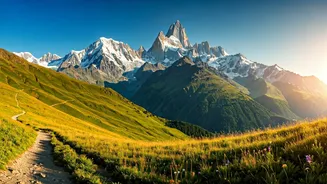
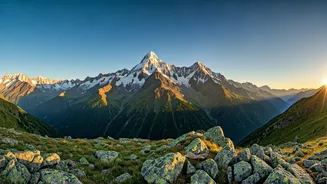
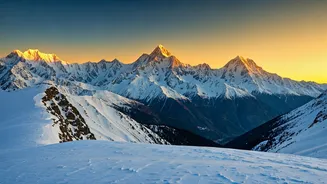
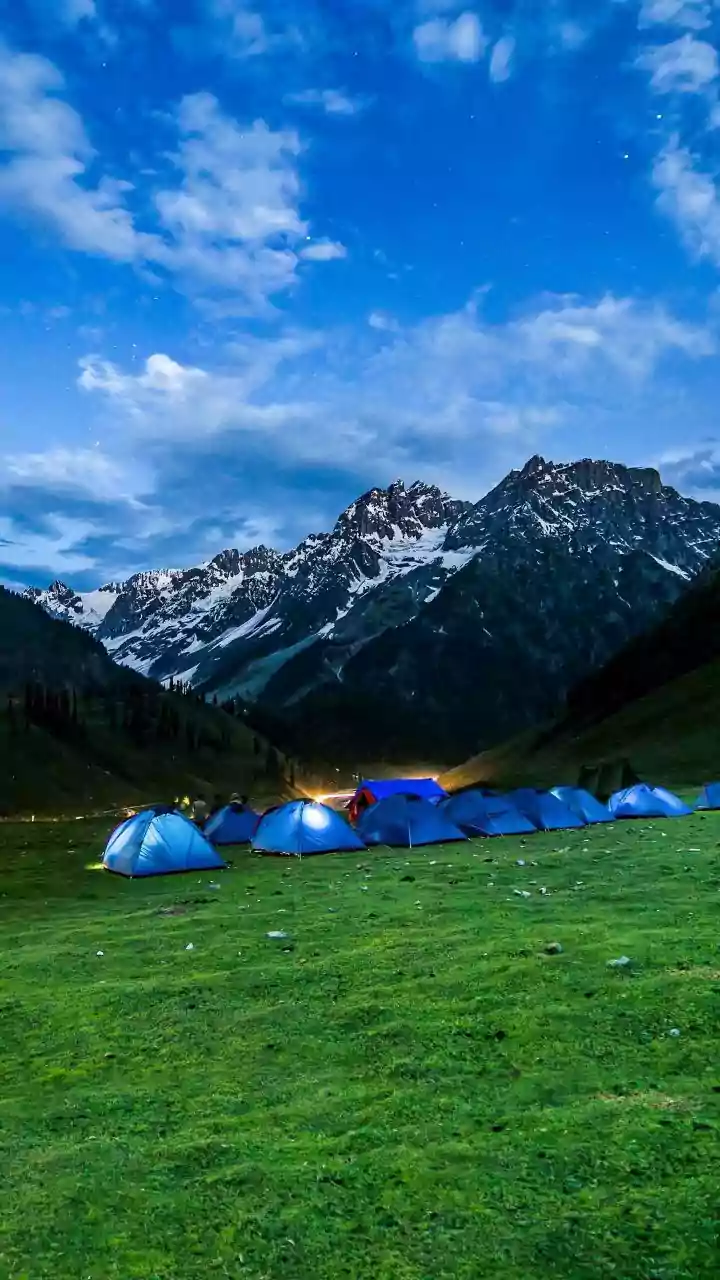
Imagine this: You wake up and the first thing you see is the sun hitting the snow-capped peak of Mount Kazbek. You grab a coffee from the communal kitchen, sharing morning pleasantries with a graphic designer from Brazil and a programmer from India. You settle into the co-working space for a few hours of focused work, the epic view providing a constant, calming backdrop. By lunchtime, you’re ready for a break. You and a few others decide to take a short hike to a nearby centuries-old church perched on a hill. After returning, you finish your workday. As evening approaches, the aroma of a group dinner—perhaps a lesson in making Khinkali (Georgian dumplings)—fills the air. The day ends not with a lonely TV show, but with shared stories and laughter around a fireplace, planning the next weekend’s adventure. It’s a lifestyle that seamlessly blends productivity with profound, memorable experiences.
Mountain Hotspots: Where to Go
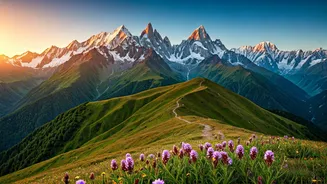
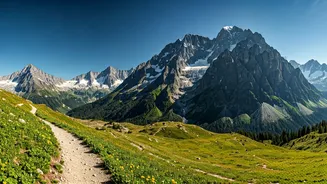
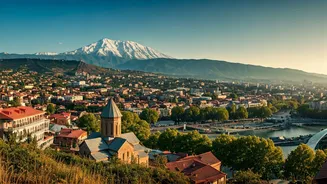
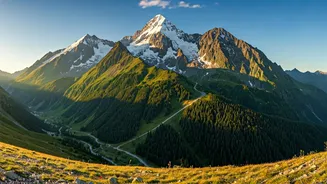
While the capital, Tbilisi, has a well-established co-working scene, the real magic for a 'workation' lies in the mountains. The most popular destination is the region around Stepantsminda (formerly Kazbegi), just a few hours' drive from Tbilisi. It’s famous for the iconic Gergeti Trinity Church set against the backdrop of dramatic mountains. Co-living spaces here are geared towards this exact blend of work and high-altitude adventure. Another incredible option is Svaneti, a more remote and rugged region in the northwest, with its unique medieval defensive towers and pristine hiking trails. Hubs in towns like Mestia offer a chance to disconnect even further while staying connected online. These places don’t just sell a bed; they sell an entire experience curated for the adventurous professional.
The Budget-Friendly Promise: A Cost Breakdown
The term “budget-friendly” is not just a marketing gimmick here. A bed in a dorm at a mountain co-living hub can start from as little as ₹1,500 per night, while a private room might range from ₹3,000 to ₹5,000. These prices often include access to the co-working space, high-speed internet, and sometimes even breakfast. A hearty meal at a local restaurant can cost just a few hundred rupees. When you compare this to the cost of a hotel, a separate co-working pass, and three meals a day in a European mountain town like Chamonix or an American one like Aspen, the value is undeniable. For a monthly stay, many hubs offer significant discounts, bringing the cost down even further and making a long-term mountain workation a financially viable option for many, not just a luxury for a few.