



The US midterm elections are over, leaving a government divided. For business leaders and investors in India and worldwide, this raises a crucial question: what does political gridlock in Washington mean for markets and corporate confidence?
The Predictability of a Stalemate
It may seem
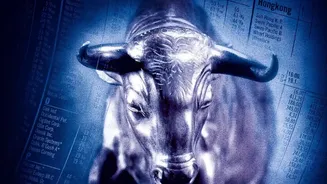
counterintuitive, but financial markets often react positively to the idea of political gridlock. The primary reason is predictability. When power is split between parties, the likelihood of sweeping legislative changes—such as major tax reforms, new regulations, or large-scale spending packages—diminishes significantly. This legislative standstill can provide a stable and predictable environment for businesses, allowing them to plan for the future with greater certainty about the policy landscape. Historically, markets have often performed well following midterm elections, partly because the end of election-season uncertainty is itself a relief. Data shows that since 1946, the S&P 500 has seen positive returns in the 12 months following all 20 midterm elections, with an average gain of over 18%.
Which Sectors Win and Lose?
A gridlocked government doesn't affect all industries equally. Sectors that have been facing the threat of increased regulation may breathe a sigh of relief. For example, technology and AI companies, which have faced growing scrutiny, may benefit as the momentum for tough new federal rules slows. Likewise, the pharmaceutical and financial services sectors might also see a more stable outlook, with less risk of disruptive new legislation. On the other hand, industries dependent on new government spending could face headwinds. Sectors like renewable energy and infrastructure, which often rely on new federal funding and subsidies, may see their growth prospects dampened as big-ticket spending bills get stalled in a divided Congress. Defence companies could also face more scrutiny and tighter budgets.
The Global Ripple Effect
Washington's political dynamics have a significant impact far beyond US borders. For global investors, including those in India, a gridlocked US government can be a mixed blessing. The reduced likelihood of major fiscal stimulus can ease concerns about the US government's large debt, potentially leading to lower bond yields and a weaker US dollar. A weaker dollar can be beneficial for emerging markets, making their exports more competitive and easing the burden of dollar-denominated debt. However, gridlock does not eliminate all policy risk. The White House retains significant power over trade and foreign policy, meaning that issues like tariffs and international agreements can still create volatility for global supply chains and companies. Changes in US policy on technology or energy can have an outsized impact on investment and economic growth in Asia and other key trading partners.
Hidden Dangers: When Gridlock Breaks
While markets may appreciate shortterm stability, prolonged gridlock carries its own set of risks that can shake business confidence. The most prominent dangers are manufactured crises tied to essential government functions. For example, partisan standoffs can lead to government shutdowns or, more critically, contentious fights over raising the national debt ceiling. The mere threat of the US government defaulting on its debt can send shockwaves through global financial markets, causing volatility to spike. Furthermore, a government that is unable to pass legislation may struggle to respond effectively to an unexpected economic crisis, such as a recession or financial shock. This inability to act decisively can undermine longterm economic stability and investor confidence.