







The Foundation: Vegan Macros
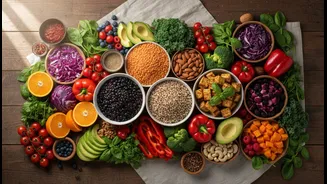
Before diving into the complexities of amino acids, it's crucial to have a firm grasp on macronutrients—protein, carbohydrates, and fats—within a vegan framework. For those on a plant-based diet, protein sources include legumes, tofu, tempeh, seitan,
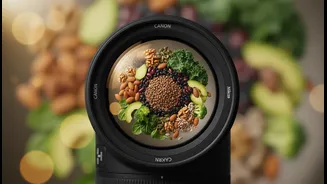
nuts, and seeds. Carbohydrates come from fruits, vegetables, and whole grains, while healthy fats are found in avocados, nuts, seeds, and oils. The first step in optimizing your diet is ensuring a balanced intake of these three pillars. A common approach is to aim for a specific ratio, such as 40% carbohydrates, 30% protein, and 30% fats, but this can vary widely based on individual goals, whether for athletic performance, muscle gain, or general wellness. The key is to consume enough calories from whole-food sources to fuel your body correctly.
The Amino Acid Puzzle
Protein is made up of building blocks called amino acids. Of the 20 amino acids your body uses, nine are considered 'essential' because your body cannot produce them on its own. These are histidine, isoleucine, leucine, lysine, methionine, phenylalanine, threonine, tryptophan, and valine. Animal proteins are 'complete', meaning they contain all nine in sufficient amounts. Most plant proteins, however, are 'incomplete', lacking in one or more essential amino acids. For instance, grains are often low in lysine, while legumes can be low in methionine. This doesn't mean a vegan diet is deficient; it simply means a thoughtful approach is needed to ensure you're getting the full spectrum of essential amino acids required for everything from muscle repair to hormone production.
Protein Combining for a Complete Profile
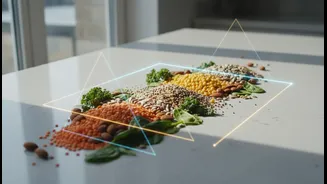
The solution to incomplete plant proteins is 'protein combining' or creating 'complementary proteins'. This involves eating different plant-based foods together—or throughout the day—to create a complete amino acid profile. Your body maintains a pool of amino acids, so you don't necessarily need to combine them in the same meal. Classic examples of protein-combining meals include rice and beans, hummus with pita bread, or a peanut butter sandwich on whole-grain toast. By pairing a food low in a specific amino acid with one that is high in it, you cover all your bases. For example, beans are rich in lysine but low in methionine, while rice is the opposite, making them a perfect nutritional match. Some plant foods, like soy products (tofu, tempeh), quinoa, and hemp seeds, are considered complete proteins on their own.
From Intake to Absorption
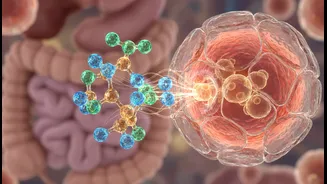
Simply eating enough protein isn't the full story; your body's ability to digest and absorb it, known as bioavailability, is just as important. Plant proteins can be slightly less bioavailable than animal proteins due to factors like fiber content and 'antinutrients' like phytates and tannins, which can interfere with absorption. However, this isn't a cause for major concern and can be easily managed. Techniques like soaking, sprouting, or fermenting legumes, grains, and seeds can significantly reduce antinutrient levels and improve protein digestibility. Cooking also helps break down these compounds, making the nutrients more accessible to your body. While whole food plant proteins may absorb more slowly, this does not negatively impact muscle growth as long as overall protein intake is sufficient.
Practical Tracking Techniques
This is where tracking comes in. While you can't directly track 'absorption', you can track your intake of specific amino acids to ensure you're consuming a complete profile. General macro trackers like MyFitnessPal are often insufficient for this, as they don't typically break down protein into its amino acid components. For a more detailed analysis, an app like Cronometer is considered the gold standard. It uses verified nutritional databases and can provide a full breakdown of all essential amino acids in your diet. To use it effectively, log your daily food intake and navigate to the nutrient targets section to view your amino acid profile. This allows you to spot potential gaps. For example, if you consistently find your lysine intake is low, you can make a conscious effort to include more lysine-rich foods like lentils, tofu, or black beans.
Enhancing Your Nutrient Uptake
Beyond tracking, you can adopt several habits to enhance nutrient absorption. Pairing iron-rich plant foods with a source of vitamin C (like lentils with a squeeze of lemon) dramatically increases iron uptake. Similarly, adding a source of healthy fat to meals helps with the absorption of fat-soluble vitamins A, D, E, and K. For protein specifically, studies suggest that combining certain foods, such as grains with onions and garlic, may enhance the absorption of minerals like iron and zinc found alongside the protein. The key is variety. Instead of relying on one or two protein sources, aim to incorporate a wide range of legumes, grains, nuts, seeds, and vegetables into your weekly diet to ensure a diverse and complete intake of all essential nutrients.