



The End of a Glorious Era
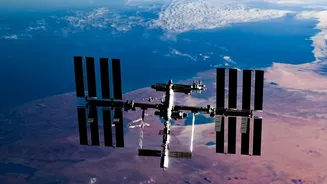
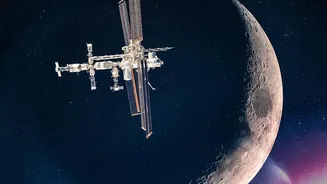
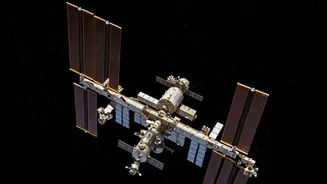
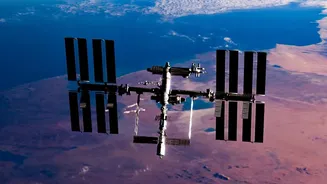
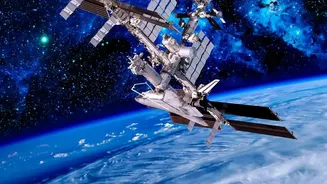
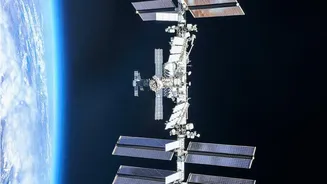
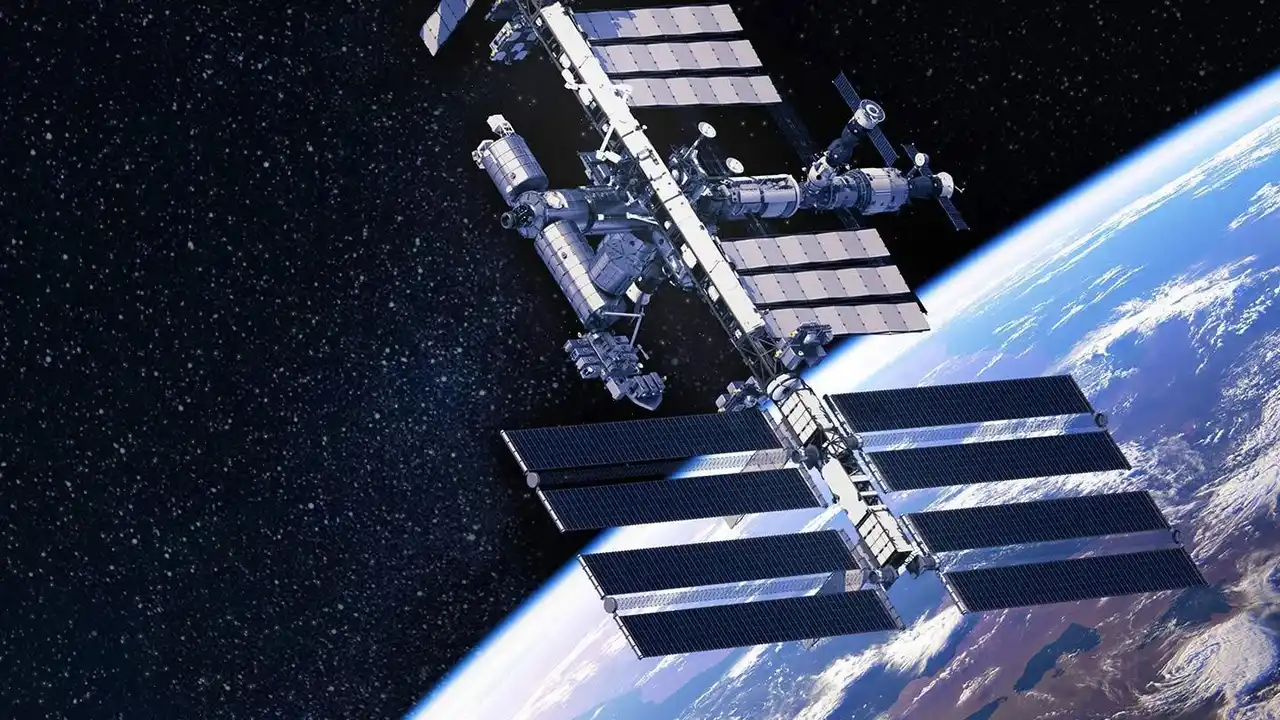
The International Space Station (ISS) stands as one of humanity's greatest engineering feats, a symbol of global cooperation that has been continuously inhabited since November 2000. However, after more than two decades of service, the orbital laboratory
is showing its age. The station was originally designed for a 15-year lifespan, and while it has far exceeded that, rising maintenance costs and structural fatigue are becoming major concerns. NASA and its international partners have committed to operating the ISS through 2030, after which it will be carefully deorbited to crash into a remote area of the Pacific Ocean known as Point Nemo. The retirement is not a matter of if, but when, and NASA is already planning for a future without it.
NASA's New Role: From Owner to Customer
Instead of building a government-owned ISS 2.0, NASA is making a fundamental shift in its strategy for low-Earth orbit (LEO). The agency intends to transition from being an owner and operator to becoming a customer. Through its Commercial Low Earth Orbit Destinations (CLD) program, NASA is fostering the development of private space stations. The plan is to buy services and lease time for its astronauts and research projects on these commercially owned and operated platforms. This model builds on the success of its commercial cargo and crew programs, which have seen companies like SpaceX and Boeing transport supplies and astronauts to the ISS. By stimulating a private market in LEO, NASA hopes to ensure a continuous US presence in orbit without bearing the full cost, freeing up its own resources to focus on deep space missions to the Moon and Mars under the Artemis program.
The Commercial Contenders
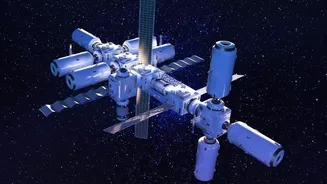
Several companies are vying to build the first generation of private orbital habitats. Axiom Space is a leading contender, with a unique plan to initially attach its modules to the ISS starting as early as 2027. These modules will eventually detach to form a free-flying independent station, Axiom Station, before the ISS is retired. Another major project is Starlab, a joint venture between Voyager Space and Airbus, which is developing a station with a large habitat and lab module planned for a single launch. Meanwhile, a team led by Blue Origin and Sierra Space is developing Orbital Reef, envisioned as a 'mixed-use business park' in space designed for research, manufacturing, and tourism. Vast, another key player, aims to launch its single-module Haven-1 station, potentially becoming the first standalone commercial station in orbit.
A New Economy in Orbit
These private stations won't just be for NASA astronauts. Their business models depend on a diverse range of customers. They aim to serve other countries' space agencies, private companies seeking to conduct research and manufacturing in microgravity, and even space tourists. The potential applications are vast, from developing new pharmaceuticals and materials to establishing in-orbit data centers or film studios. Orbital Reef, for instance, is designed to support a wide array of commercial and scientific activities, complete with a logistics and supply chain managed by Amazon. The goal is to create a thriving LEO economy where access to space is more common and affordable, moving beyond the paradigm of a single, government-funded outpost.
Challenges on the Final Frontier
The timeline to get these commercial stations operational before the ISS retires is ambitious. Developing, launching, and certifying a human-rated space station is an incredibly complex and expensive undertaking. While NASA is providing seed funding through the CLD program, these companies must secure significant private investment to succeed. There are also immense technical hurdles to overcome, from life support systems to orbital debris mitigation. The success of this transition hinges on these companies meeting their aggressive development schedules and demonstrating that a viable commercial market for LEO destinations truly exists. Any significant delays could risk a gap in America's ability to maintain a human presence in space.