




The Automation Paradox
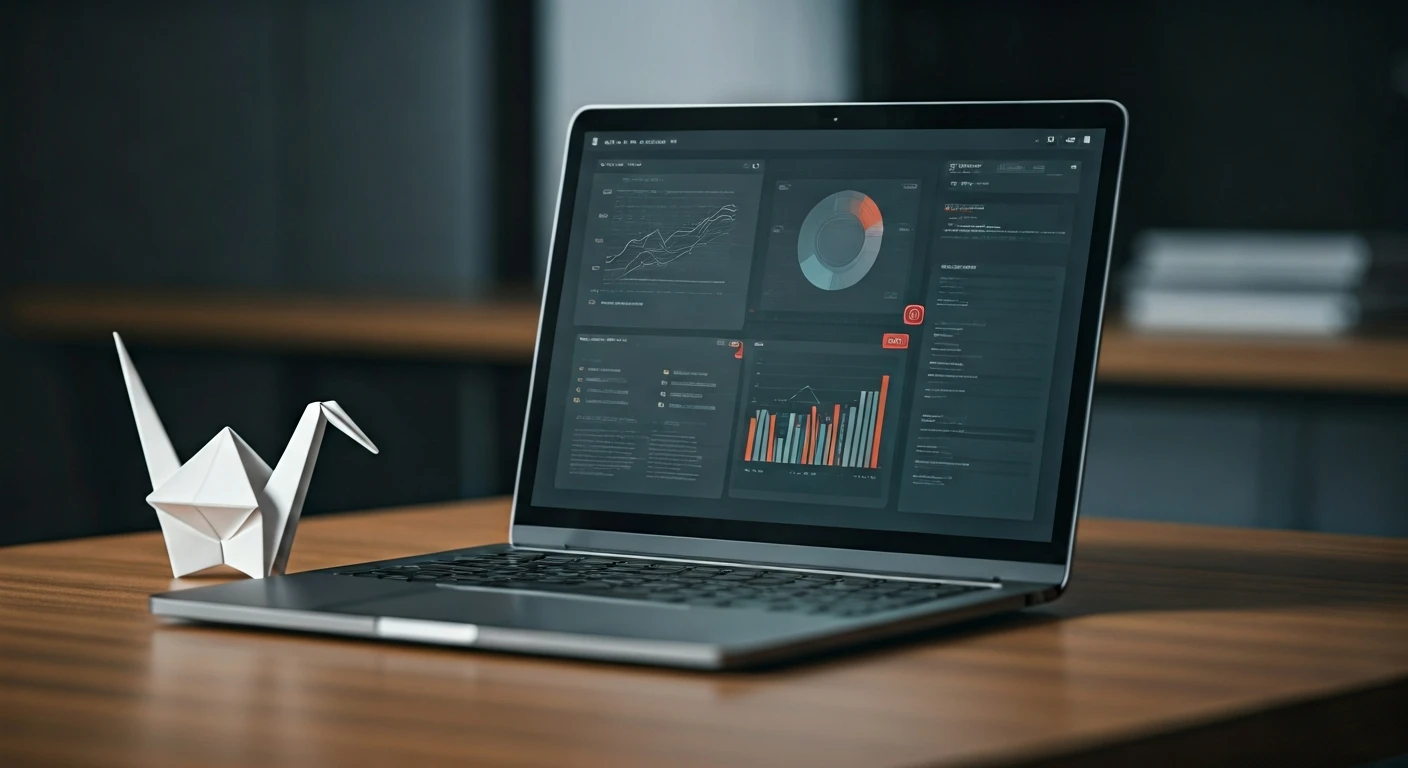
We are living through a profound operational shift. Artificial intelligence is no longer a concept from science fiction; it is a daily reality that drafts our emails, analyses market data, and even helps diagnose medical conditions. The promise is one
of incredible efficiency, freeing us from mundane tasks. However, this has created a paradox: as AI handles more of the 'what', the human responsibility to determine the 'why' and 'how' has become more critical. Technology accelerates outcomes, but quality is determined by judgement. This places a premium on the very skills machines cannot replicate: strategic foresight, ethical reasoning, and contextual understanding. The future of work is not a contest between humans and machines, but a collaboration where human oversight becomes the most valuable component.
Where Algorithms Falter
For all their power, AI systems have significant limitations. They are fundamentally driven by historical data, which means they can inherit and even amplify existing human biases related to gender, race, or socio-economic status. Well-documented cases, from biased hiring algorithms that penalised female applicants to facial recognition systems that perform poorly on darker skin tones, reveal the dangers of unchecked automation. AI lacks a moral compass and a genuine understanding of context. It can process vast amounts of information but cannot grasp the nuance of a sensitive negotiation, the cultural implications of a business decision, or the long-term strategic value of an action that defies short-term data trends. An AI might recommend a cost-cutting measure without understanding its impact on employee morale or public trust, highlighting the critical need for human intervention.
The Uniquely Human Skillset
As AI commoditises analytical and repetitive tasks, a new set of 'power skills' are becoming the key differentiators in the workplace. These are not the 'soft skills' of the past but core professional competencies for the AI era. They include critical thinking, or the ability to question and interrogate the outputs of an AI rather than blindly accepting them. They also include empathy and emotional intelligence, which are essential for collaboration, leadership, and understanding customer needs in ways no algorithm can. Creativity and imagination—the ability to envision futures that don't yet exist in the data—remain profoundly human domains. A recent report from Singapore's Economic Strategy Review emphasised that as AI becomes more capable, human qualities like communication, judgement, and empathy will become even more valuable.
The Human-in-the-Loop
Forward-thinking organisations are not aiming to replace humans but are instead designing 'human-in-the-loop' (HITL) systems. This approach intentionally integrates human oversight into AI processes to ensure accuracy, mitigate bias, and handle exceptions. In a HITL system, the AI does the heavy lifting of data processing, but a human provides crucial feedback, makes the final call on ambiguous cases, and provides ethical guidance. This creates a continuous feedback loop where the human trains the AI, and the AI augments human capabilities. This collaborative model moves human value upstream—away from simple execution and toward problem framing, system design, and strategic decision-making. A recent global study found that 62% of professionals believe human intuition must remain the final authority for creative and strategic decisions when it conflicts with AI insights.
Cultivating Judgment for the Future
The message for professionals and business leaders is clear: the most important investment you can make is in your own and your team's human judgment. This means creating a culture that encourages critical thinking and questions easy, AI-generated answers. It means prioritising training in communication, collaboration, and ethical leadership. As one expert panel noted, people won't be replaced by AI, but people who use AI effectively will replace those who don't. The challenge is not simply to adopt new tools but to elevate human skills in parallel. As routine work becomes automated, it frees up human potential for higher-level problem-solving and innovation—if we are prepared.