



An Edible Map of India
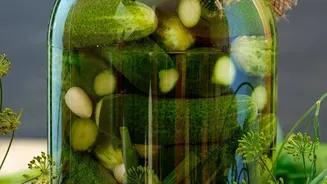
For most, the Indian pickle or 'achar' evokes a specific memory: the sharp, spicy tang of mango or the sour burst of lime, staples on dining tables across the country. While beloved, these popular varieties represent just a tiny fraction of a sprawling,
diverse culinary tradition. India's real pickle story is written in its varied landscapes, from the frosty Himalayas to the arid deserts of Rajasthan and the humid coastlines of the south. Each region, with its own unique micro-climate, gives rise to specific fruits, vegetables, and greens that local communities have learned to preserve. The resulting pickles are edible archives, capturing the essence of a place in a jar and showcasing a biodiversity that supermarket shelves often ignore.
Treasures from the Arid West
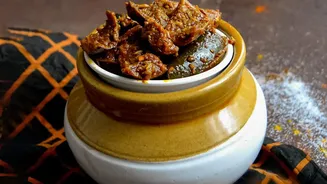
The dry, sun-scorched lands of Rajasthan, where fresh vegetables can be scarce for parts of the year, inspired remarkable culinary ingenuity. This is the home of the 'Ker Sangri' pickle. Ker are small, tart berries from a shrub, and Sangri are the long beans of the native Khejri tree—both are hardy plants adapted to survive in the desert. Traditionally, these are sun-dried and then pickled in mustard oil with a host of spices. The result is a pickle with a uniquely tangy, slightly bitter, and earthy flavour profile that is impossible to replicate elsewhere. It's a taste born entirely of necessity and the specific ecology of the Thar Desert.
Foraged Flavours of the Himalayas
In the cool, moist climes of the Himalayan foothills in states like Uttarakhand and Himachal Pradesh, a different kind of pickle emerges with the monsoon. Here, locals forage for 'Lingad' or 'Lungru', the tender, coiled shoots of wild fiddlehead ferns that grow near mountain streams. These ferns, which cannot be cultivated, are a seasonal delicacy. The pickle is made by carefully cleaning the shoots and marinating them in mustard oil and local spices. It offers a crunchy texture and a distinct, earthy flavour that speaks of the mountain forests. This is a pickle that truly tastes of its environment, a wild delicacy preserved for the rest of the year.
The Pungent Pride of the Northeast
Head to the Northeastern states like Assam, Manipur, and Nagaland, and you'll find a culinary landscape defined by bamboo. Tender bamboo shoots are a staple ingredient, and pickling is a common way to preserve them. 'Bans ka achar', or bamboo shoot pickle, is known for its pungent, tangy, and deeply savoury taste. Often fermented and combined with the region's famously fiery chillies, like the Bhut Jolokia (ghost pepper), and mustard oil, this pickle is a powerful condiment that pairs perfectly with the region's rice-based meals. It captures the unique flavour profile of a region where bamboo is not just a plant, but a way of life.
Coastal Heat and Sour Notes
Along India's vast coastline, the local bounty comes from both land and sea. In Goa, this is beautifully expressed in Prawn Balchão, a fiery and tangy pickle-like dish with Portuguese influences. Fresh prawns are fried and preserved in a spicy, vinegary paste made from red chillies, garlic, and other spices. Further south in Andhra Pradesh and Telangana, the defining flavour is the sourness of 'gongura' or sorrel leaves. Gongura Pachadi, a coarse pickle-relish, has a sharp tang that is balanced by fierce chilli heat, creating an iconic taste of Telugu cuisine that is now famous across India. Both pickles are a direct reflection of their coastal and hot climates, using vinegar and chilli as powerful preserving agents.