




Beyond Digestion: What Is Gut Health?
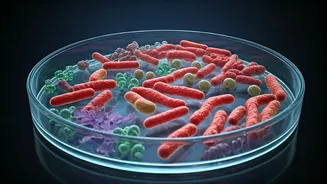
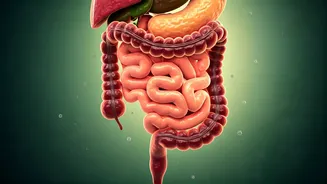
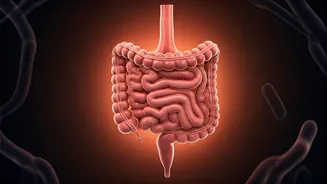
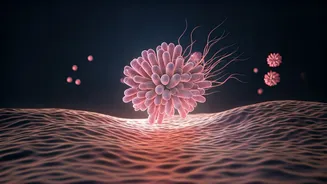
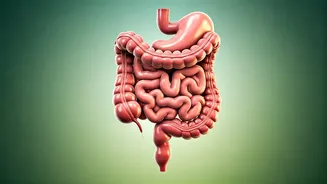
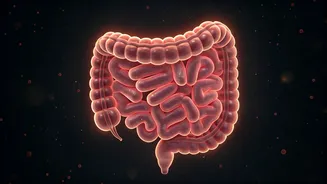
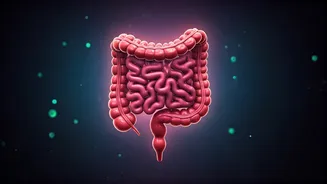
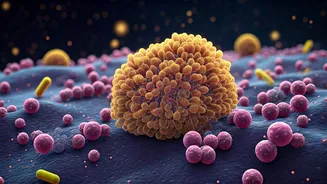
When we talk about 'gut health,' we're not just talking about avoiding an upset stomach. We're referring to the health of our entire gastrointestinal tract, which is home to trillions of microorganisms, including bacteria, viruses, and fungi. This bustling
community is collectively known as the gut microbiome. Think of it as a complex internal ecosystem. For a long time, its primary job was thought to be simply helping us digest food. But groundbreaking research has revealed that this microbiome plays a massive role in our overall health, influencing everything from our immune system to our mental state.
The Gut-Brain Connection
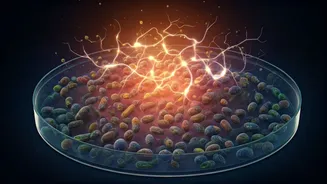
Here's where gut care truly enters the self-care conversation. Your gut and brain are in constant communication through a network of nerves and chemicals. This is called the gut-brain axis. Have you ever felt 'butterflies' in your stomach when nervous, or lost your appetite when stressed? That's the gut-brain axis in action. A significant portion of serotonin, the 'happy chemical' that regulates mood, is actually produced in the gut. An imbalanced gut microbiome can interfere with this production, which emerging studies suggest may be linked to feelings of anxiety and low mood. By nurturing our gut, we are essentially sending positive signals to our brain, making gut care a foundational practice for mental and emotional well-being.
Your Immune System's Best Friend
Roughly 70% of your immune system resides in your gut. The gut lining acts as a crucial barrier, deciding what gets absorbed into your bloodstream and what gets blocked. A healthy microbiome helps maintain the integrity of this barrier, supporting a robust immune response. When the gut is out of balance (a state called dysbiosis), this barrier can become compromised, potentially leading to inflammation and a weaker defence against pathogens. This is why a healthy gut is often the first line of defence against common illnesses, making it a powerful tool for staying resilient year-round.
How to Practice Gut-Centric Self-Care
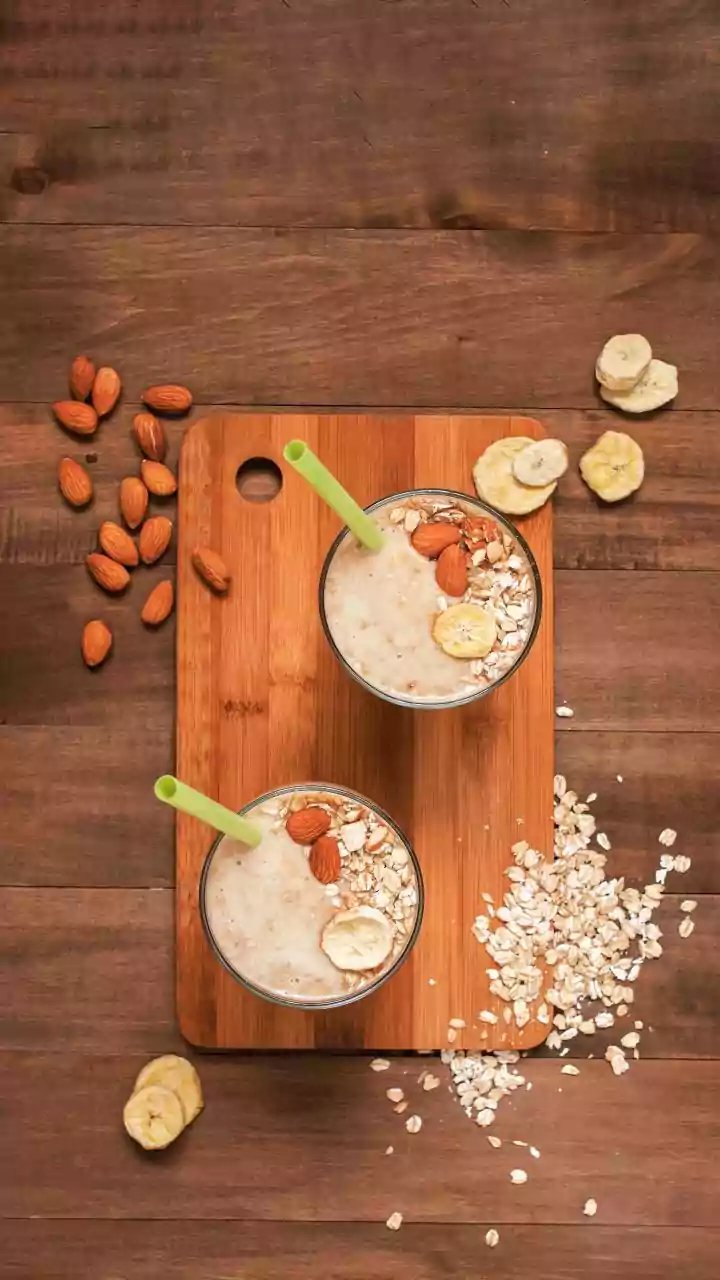
Improving your gut health doesn't require a drastic overhaul. It's about incorporating small, consistent habits. Start with your diet. Prioritise fibre-rich foods like whole grains, legumes, vegetables, and fruits, which act as 'prebiotics'—food for your good gut bacteria. Next, introduce 'probiotics,' which are live beneficial bacteria. You don't need expensive supplements; traditional Indian staples like homemade dahi (curd) and fermented pickles are excellent natural sources. Beyond diet, other lifestyle factors are key. Aim for 7-8 hours of quality sleep, as a lack of sleep can negatively impact your microbiome. Manage stress through practices like yoga, meditation, or simply taking short walks. And finally, stay hydrated. Water is essential for maintaining the mucosal lining of the intestines and balancing good bacteria.