






The Engine of Change: Infrastructure
For decades, the allure of India’s hidden gems was tempered by the difficulty of getting there. Poor road conditions and non-existent air links kept many stunning locales off the popular tourist circuit. That is rapidly changing. A concerted push in infrastructure
development, including the expansion of the national highway network and the government's UDAN (Ude Desh ka Aam Nagrik) scheme, is the primary driver. The UDAN initiative, launched in 2016, was designed to connect unserved and underserved airports, making air travel more affordable and accessible to Tier-2 and Tier-3 cities. This has been a game-changer, opening up regions that were previously a multi-day journey and stimulating local economies in the process. The result is a win-win: travellers get to explore authentic, less crowded places, and local communities benefit from a more evenly distributed flow of tourism revenue.
Pithoragarh, Uttarakhand: Gateway to the Himalayas
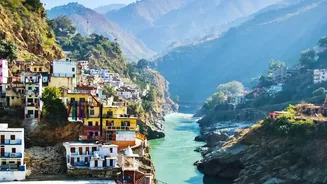
Nestled in the Kumaon region of the Himalayas, Pithoragarh was once a destination reserved for only the most determined trekkers. Now, with the operationalisation of Naini Saini Airport under the UDAN scheme, this valley town is emerging as a key hub for mountain tourism. The improved accessibility has significantly cut down travel time, allowing visitors to easily explore its ancient temples, the formidable Pithoragarh Fort, and use it as a base for treks to the Milam and Ralam glaciers. Its newfound connectivity means travellers can experience the grandeur of the Panchachuli peaks without an arduous, multi-day road journey.
Kushinagar, Uttar Pradesh: A Revived Pilgrimage Hub
Kushinagar, a sacred site for Buddhists where Gautama Buddha is believed to have attained Mahaparinirvana, has been transformed by the inauguration of its international airport. This development is a crucial part of the strategy to develop the Buddhist tourist circuit, which also includes sites like Bodh Gaya, Sarnath, and Lumbini in Nepal. Previously, reaching Kushinagar required a long drive from Gorakhpur. Now, direct flights are set to bring pilgrims and history enthusiasts from across the world, particularly from Southeast Asian nations with large Buddhist populations. This improved link not only eases the journey for spiritual travellers but also fuels local development in hospitality and other services.
Ziro Valley, Arunachal Pradesh: A Cultural Hotspot
Famous for its vibrant music festival and the unique culture of the Apatani tribe, Ziro Valley has long been on the bucket list of offbeat travellers. The journey, however, was notoriously long and complex. The recent launch of Donyi Polo Airport in Itanagar, coupled with better road networks, has dramatically improved access to this remote corner of Northeast India. This enhanced connectivity is helping Ziro transition from a niche backpacker haunt to a more accessible cultural destination. It allows more people to experience its stunning pine-clad landscapes and unique traditions without the daunting travel logistics of the past.
Lakshadweep: India's Unspoiled Archipelago
While the Andamans have long been India’s go-to tropical paradise, the pristine coral atolls of Lakshadweep are now poised to capture the spotlight. A key barrier to tourism here has been limited connectivity. However, plans for a new airport on Minicoy Island, capable of handling both civilian and military aircraft, signal a major shift. This development aims to promote the islands' immense potential for leisure and eco-tourism, offering an alternative to more crowded beach destinations. With its crystal-clear lagoons and vibrant marine life, improved access could turn Lakshadweep into a premier destination for those seeking serene and untouched natural beauty.