




Start at the Washing Machine
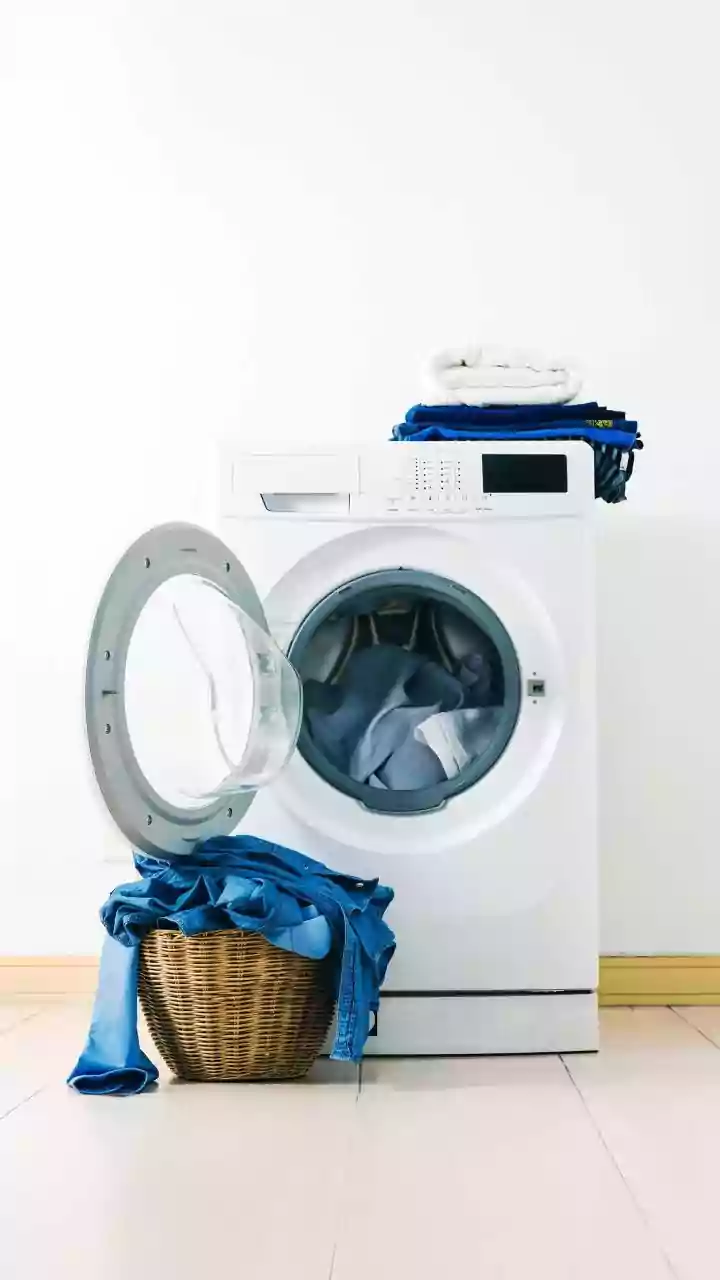
The secret to faster drying begins before you even hang your clothes. First, avoid overloading your machine. Cramming too many clothes into a single cycle prevents them from being rinsed properly and makes them retain more water. The most crucial step
is to use the highest spin setting your fabrics can handle. An extra spin cycle can remove a surprising amount of excess water, significantly cutting down on drying time. Some experts call this the "Double Spin for the Win" method, and it costs less energy to spin water out than it does to evaporate it later.
The Art of Strategic Hanging
How you hang your clothes is just as important as where you hang them. Give each item a good, strong shake before hanging it up. This separates the fibres and removes a little more water. The golden rule is to give each garment its own space on the rack or line. If clothes are touching, moisture gets trapped between them, which is the primary cause of that dreaded musty smell. Using hangers for shirts, kurtas, and dresses allows air to circulate all around the fabric. For heavier items like jeans, hang them from the waist. Always try to hang items individually rather than layering or stacking them.
Create a Dedicated Drying Zone
Since the balcony is out of commission, you need an indoor drying zone. Choose a room that you can close off, if possible, but one that still has good ventilation. Avoid drying clothes in the main rooms where you spend a lot of time, as the evaporating moisture can increase the humidity of the entire house. Spreading clothes out on a drying rack is more effective than using a single clothesline, as it maximises exposure to air. Position the rack in a spot with the most natural airflow, like near a window that can be slightly opened on less rainy days.
Maximise Air Circulation
The real enemy when drying clothes indoors is stagnant, humid air. Your best weapon against this is a fan. Position a pedestal or table fan so that it blows air across your drying rack. You don't need to point it directly at one spot; you want to create a constant, gentle breeze that moves the humid air away from the surface of the clothes, speeding up evaporation. Even a ceiling fan set to a medium or high speed can reduce drying time by up to 50% compared to letting clothes sit in still air. Air movement is often more effective than heat for indoor drying.
Use Your Appliances Wisely
For those who struggle with persistent dampness, a dehumidifier is a game-changer. It works by pulling moisture directly out of the air, which in turn encourages your wet clothes to release their moisture much faster. Placing a dehumidifier in a closed room with your laundry can cut drying times from over a day down to just a few hours. Your air conditioner can also help, as it naturally dehumidifies the air while it cools. For clothes that are just slightly damp, you can run a hot iron over them to drive out the last bit of moisture before storing them.
Banish Musty Odours for Good
That sour, musty smell is caused by bacteria and mildew that begin to grow on fabric that stays damp for too long—often just four to six hours. To prevent this, add half a cup of white vinegar to your washing machine's rinse cycle. It acts as a natural antibacterial agent and deodorizer without leaving a scent on your dry clothes. Once your clothes are completely dry, don't pack them tightly into your wardrobe. Allow for some airflow between garments. Placing silica gel packets or a small pouch of baking soda in your cupboards can also help absorb any lingering moisture and keep clothes smelling fresh.