





Maharashtra is making headlines for its green credentials, hosting the prestigious Earthshot Prize and earning its first Blue Flag beaches. But do these accolades tell the whole story? For visitors, understanding the full picture is key.
A Season of Global Recognition
In late 2026,
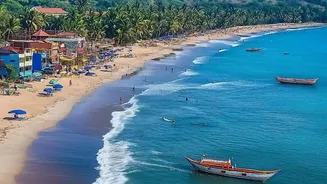
Maharashtra firmly placed itself on the global environmental map. Mumbai had the honour of hosting the Earthshot Prize awards, the first time the prestigious event, founded by Britain's Prince William, has been held in India. While the winners were global innovators, the choice of host city shines a spotlight on the state's growing commitment to climate action. Adding to the momentum, just days earlier, three of the state's beaches—Ladghar, Guhagar, and Shrivardhan in the Konkan region—earned the coveted international Blue Flag certification. This award is a stringent benchmark for water quality, safety, and sustainable tourism, marking a significant first for Maharashtra's coastline. The state also announced India’s first-ever sulphur dioxide (SO₂) emissions trading scheme, a market-based plan to tackle industrial air pollution, signaling a proactive policy shift. Together, these events paint a picture of a state making serious environmental strides.
Konkan's Coastline: A Glimpse of Success
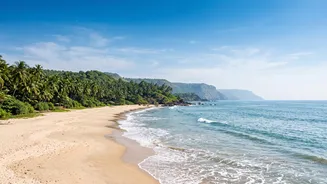
For any tourist, the most tangible sign of this progress is along the stunning Konkan coast. The new Blue Flag beaches are the jewels in the crown of a region that is increasingly embracing sustainable tourism. Beyond just these three spots, the Konkan belt is home to a growing eco-tourism movement. Initiatives range from community-led turtle conservation festivals in Velas to agro-tourism that invites visitors to experience local mango and cashew farms. This model of tourism aims to protect the rich biodiversity of the Western Ghats, a UNESCO World Heritage Site, while supporting local livelihoods. For travellers seeking pristine nature and authentic cultural experiences, the success of the Konkan region demonstrates that environmental stewardship and tourism can go hand in hand, offering a hopeful blueprint for other parts of the state.
The Other Side: Critically Polluted Zones
However, the glittering accolades stand in stark contrast to the environmental reality in other parts of Maharashtra. The state is home to some of India's most critically polluted industrial areas. Chandrapur, known as the 'Black Gold City' for its vast coal reserves and thermal power stations, has long struggled with severe air and water pollution. Studies and official reports have highlighted dangerously high levels of pollutants from industrial and mining activities, leading to significant health concerns for residents. The Comprehensive Environmental Pollution Index (CEPI) has previously categorised the area as 'critically polluted'. Even the bustling Mumbai Metropolitan Region (MMR) is grappling with deteriorating air quality, prompting the government to announce a 'Clean Air Action Programme' focused on dust control and vehicular emissions. These challenges show that progress is not uniform across the state.
The Enduring Struggle for Water
Beyond air quality, water presents another complex challenge. While the Konkan coast boasts clean seas, vast inland regions like Marathwada face a different reality. The area is notoriously drought-prone, leading to chronic water scarcity, groundwater depletion, and devastating crop failures. Maharashtra is considered one of the states most vulnerable to climate change, with extreme weather events like droughts and floods becoming more frequent and intense. This vulnerability not only threatens agriculture and livelihoods but also strains urban resources as people migrate to cities. Furthermore, industrial effluents continue to pollute major rivers, impacting both ecosystems and communities that depend on them for water, creating a stark contrast to the state's celebrated environmental wins.
Navigating a Complex Reality
So, what does this mean for a visitor? It means recognising that Maharashtra's environmental journey is a tale of two realities existing at once. The state government and its bodies, like the Maharashtra Pollution Control Board (MPCB), are actively working to bridge this gap. Beyond headline-grabbing policies like the emissions trading scheme, the MPCB is looking to use artificial intelligence to make industrial inspections more effective. Grassroots efforts are also making a difference, with community-led afforestation drives in drought-hit districts and public awareness campaigns gaining traction. The awards and international recognition serve as powerful motivators, but the real work lies in tackling these deep-seated, systemic issues. The path is long, but the stated intent for a cleaner, greener Maharashtra is clear.