



The annual December travel frenzy is a familiar story: high prices, long queues, and crowded destinations. But what if the secret to a better holiday wasn't a different place, but a different time? Enter the shoulder seasons of travel.
The Smart Traveller’s Secret: Shoulder Season
In travel, the 'shoulder
season' is the sweet spot just before or after a destination's peak period. For India, this means the months leading up to and following the frantic December rush. Think October-November and February-March. These windows offer a magical blend of good weather, fewer crowds, and better value for money. Instead of fighting for hotel rooms or waiting in long lines at attractions, you get to experience places at a more relaxed pace. This shift allows for more spontaneous discoveries and genuine interactions, turning a good holiday into a great one.
Autumn’s Golden Glow: October & November
As the monsoon rains recede, they leave behind a lush, green landscape and brilliantly clear skies, making autumn a spectacular time to explore. The weather across most of the country is exceptionally pleasant, with comfortable daytime temperatures and cool evenings. It’s an ideal time for everything from exploring the majestic forts of Rajasthan to trekking in the Himalayan foothills. This period often coincides with vibrant local festivals, offering a chance to witness cultural traditions without the overwhelming crowds of the main tourist season. Just be mindful of the dates for major festivals like Diwali, as travel can get busy in the week leading up to it.
Autumn Destination Ideas
For a dose of royal history, Rajasthan's cities like Jaipur and Udaipur are perfect in autumn, with sunny days ideal for sightseeing. In the north, Kashmir's valleys are awash with stunning shades of gold and crimson. For those seeking spiritual or adventure travel, Rishikesh in Uttarakhand offers thrilling river rafting and serene yoga retreats. Down south, the post-monsoon backwaters of Kerala in 'God's Own Country' are breathtaking, while the coffee plantations of Coorg in Karnataka are fragrant and inviting.
Late Winter’s Quiet Charm: February & March
After the peak Christmas and New Year crowds have departed, a peaceful calm descends upon India’s most popular spots. February and early March offer a brilliant travel window. The weather remains one of the biggest draws; North India has crisp, sunny days, while coastal areas like Goa are warm and pleasant without the scorching heat of summer. This period is perfect for those who want the ideal weather of the winter season but with significantly fewer people, often resulting in lower prices for flights and hotels.
Late Winter Destination Ideas
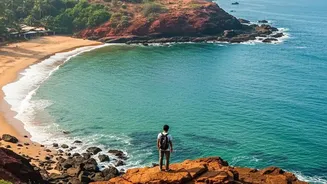
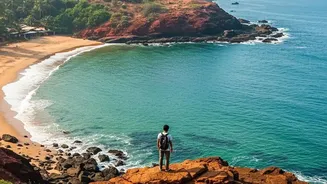
This is arguably the best time to visit Goa. The party crowds have thinned, the weather is perfect for lazing on beaches like Palolem in the south, and the sea is calm. It’s also an excellent time for a final glimpse of snow in mountain destinations like Gulmarg or Manali before the spring melt begins. For wildlife enthusiasts, national parks like Ranthambore are prime for safaris, with pleasant temperatures for exploring. Cultural events, such as the Jaisalmer Desert Festival, often take place in February, providing a unique local experience.
Smarter Planning, Better Experiences
Choosing the shoulder season does more than just save you from crowds; it often leads to significant cost savings. Accommodation and transport prices can be considerably lower than during the December peak. This makes your budget stretch further, perhaps allowing for a longer stay or more unique experiences. Moreover, travelling during these less busy times helps reduce the strain on local infrastructure and provides a more sustainable income for local businesses throughout the year, contributing to more responsible tourism.