






Why a Watering Schedule Fails Your Plants
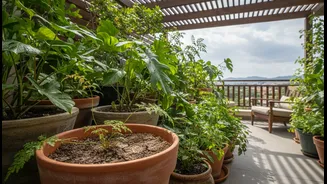
Watering your balcony plants every Tuesday morning might feel responsible, but it ignores the dynamic nature of a container garden. Unlike plants in the ground, balcony pots are exposed environments where conditions change rapidly. A string of hot, windy
days can dry out soil completely, while a cool, overcast week might mean your plants need very little water. Factors like pot size, material, and the specific needs of each plant make a one-size-fits-all schedule ineffective. Overwatering is the most common reason container gardens fail, and it's often caused by watering out of habit rather than necessity.
The Best Tool: Your Own Finger
The most reliable way to know if your plants need water is the finger test. It's simple: stick your index finger about one to two inches into the soil. If the soil feels dry at that depth, it’s time to water. If you feel moisture, it's best to wait and check again the next day. This single action is the best defence against both over- and underwatering. For a less messy approach, a simple wooden chopstick works like a cake tester; if it comes out clean and dry, the soil is dry, but if it comes out with damp soil clinging to it, there is still moisture in the pot.
Learn to Read the Leaves
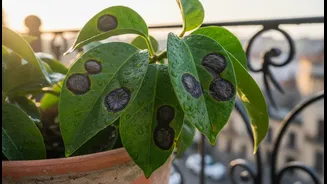
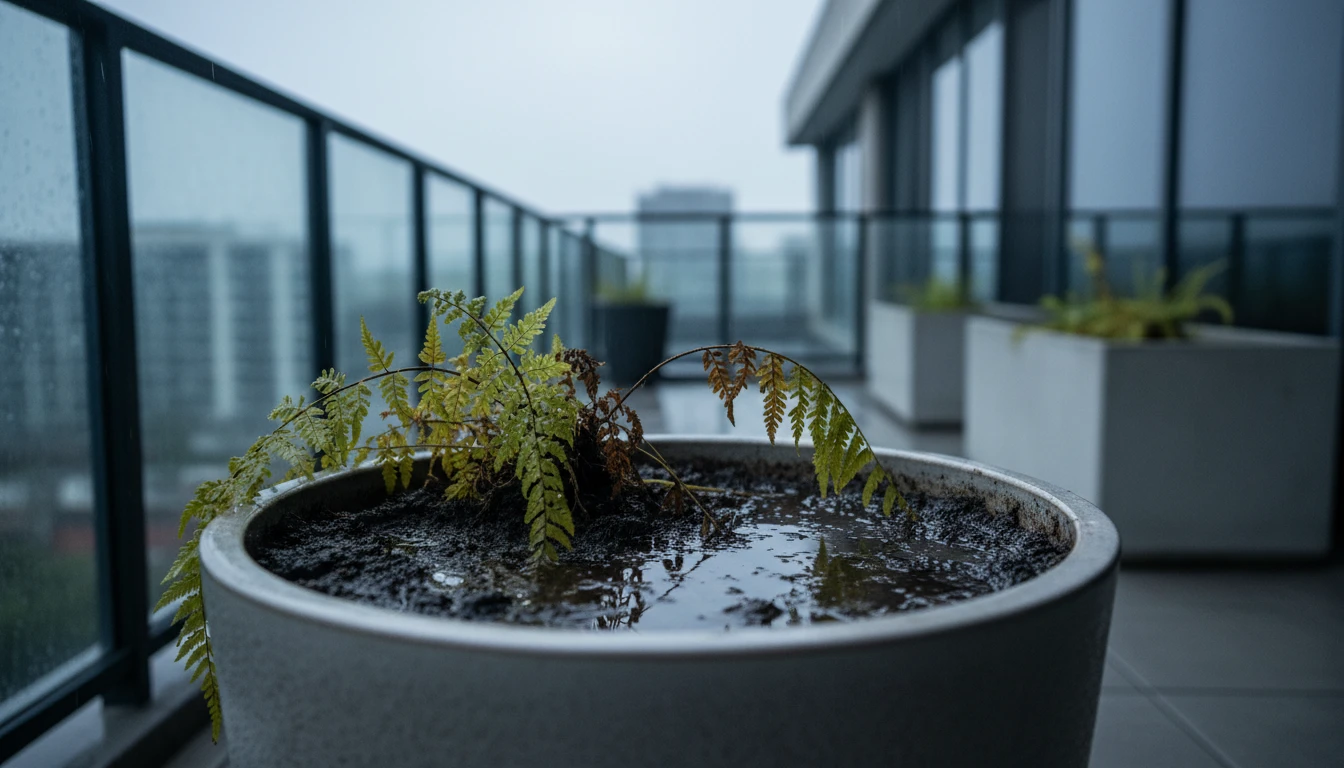
Your plants will give you visual cues about their water needs. Underwatered plants often look droopy, with leaves that may feel crispy, curl, or develop brown edges. Paradoxically, overwatered plants can also look wilted. The key difference is in the feel: an overwatered plant's leaves and stems often feel soft and mushy, and the soil will be soggy. Widespread yellowing leaves are another classic sign of overwatering, as the waterlogged roots are suffocated and can no longer absorb nutrients. A sour or mouldy smell from the soil also indicates too much moisture and potential root rot.
Not All Plants Have the Same Thirst
Remember that different plants have vastly different watering requirements. A drought-tolerant succulent or an olive tree prefers its soil to dry out between waterings, while a leafy fern or a blooming petunia is much thirstier. Grouping plants with similar water needs can make your job easier. Before you buy a new plant, do a little research to understand its preferences. Assuming a flowering annual needs the same amount of water as a hardy herb is a common mistake that can lead to frustration for both you and the plant.
Pot Material and Weather Are Key Factors
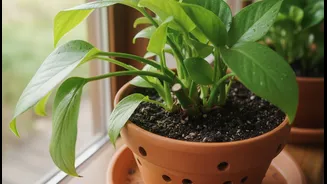
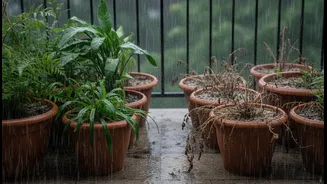
The environment of your balcony plays a huge role. Porous terracotta pots dry out much faster than plastic or glazed ceramic ones because moisture evaporates through the clay. Similarly, small pots hold less soil and dry out more quickly than large planters. Always be mindful of the weather. A hot, sunny, and windy day can require you to water daily, or even twice a day for smaller pots. Conversely, after a good rain, you should still check the soil, as pots sheltered under an overhang may have stayed completely dry.
The Right Way to Water
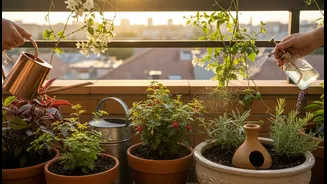
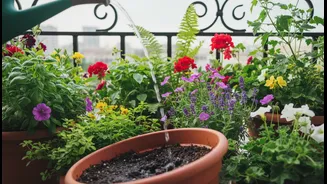
Once you've determined a plant is thirsty, water it thoroughly. Pour water slowly at the base of the plant until you see it running freely from the drainage holes at the bottom of the pot. This ensures the entire root ball is saturated and encourages roots to grow deep. This deep watering method is much more effective than giving plants small, frequent sips, which only moistens the top layer of soil and can lead to weak, shallow roots. It's best to water in the morning to prepare the plant for the heat of the day and allow leaves to dry, which helps prevent fungal diseases.