



Why Wet Paws Conceal Dangers
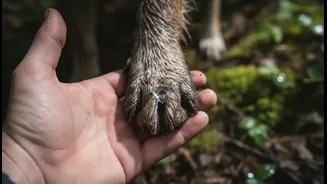
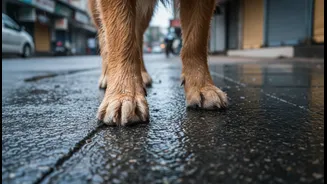
After a walk on a rainy day or a play session in damp environments, your pet’s paws are not only dirty but also present a unique challenge for inspection. Moisture can mat down fur, making it difficult to see the skin and pads clearly. Water can also obscure
small cuts or punctures, and debris like mud can easily conceal tiny but painful objects. Items such as glass shards, sharp stones, metal bits, and plant thorns can become lodged between the toes or embedded in the paw pads. If left unnoticed, these foreign bodies can lead to discomfort, limping, and potentially serious infections.
Establishing a Calm Inspection Habit
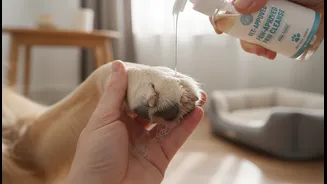
The key to a successful paw check is making it a positive and predictable part of your daily routine, especially after outdoor activities. Choose a time when your pet is relaxed. Get them comfortable with you handling their paws by starting slowly, touching one paw gently and rewarding them. Sit in a well-lit area where you can easily see. Have a small towel, a bowl of clean water, and a pet-safe antiseptic on hand. For dogs with long hair between their toes, it can be harder to spot objects, so keeping this hair trimmed can make inspections much easier.
A Step-by-Step Guide to Paw Inspection
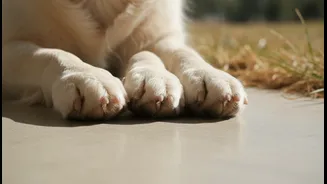
Once your pet is calm, begin the physical check. Start by wiping the paw clean of any mud or surface dirt. Gently hold one paw and visually inspect the top, bottom, and each individual nail. Next, run your fingers between each toe, feeling for any lumps, bumps, or foreign items. Gently squeeze the main, larger paw pad; this will help the toes separate, giving you a clearer view of the spaces in between. Look closely for any cuts, swelling, redness, or discolored spots. Pay attention to your pet's reaction; flinching or pulling away could indicate a point of pain.
Recognizing Signs of a Paw Injury
Sometimes, you won't see the object itself, but you'll notice signs of discomfort in your pet. The most common indicator of a paw injury is limping or favoring one leg. You might also observe your pet excessively licking or chewing at one specific spot on their paw. Other behavioral clues include whining, reluctance to walk, or visible swelling and redness in the affected area. If an object has been lodged for some time, you may even see signs of infection, such as discharge or a foul odor.
What to Do When You Find Something
If you find a small, visible object like a thorn or a tiny splinter, you may be able to remove it yourself. Use clean tweezers to grip the object close to the skin and pull it out slowly and smoothly at the same angle it went in. After removal, clean the area with mild soap and water or a pet-safe antiseptic. However, if an object like glass is deeply embedded or if you are unsure what it is, do not attempt to remove it. Doing so could cause more damage. In these cases, or if the area is bleeding heavily, swollen, or on a joint, it's crucial to contact your veterinarian immediately.