








What Is Seasonal Living, Really?
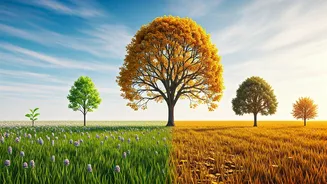
At its heart, seasonal living is the practice of aligning your habits, diet, and routines with the time of year. It’s a concept that pushes back against the 24/7, 'on-demand' culture that has us eating strawberries in December and working with the same
intense energy in the peak of summer as in the depths of winter. But it’s much more than just eating local produce, though that is a big part of it. It’s about embracing the unique energy of each season. This could mean more social, outward-facing activities in the vibrant summer months, and more quiet, introspective, and restful behaviour during winter. It extends to how we decorate our homes—with lighter fabrics in the heat and cosy throws when it’s cool—and even how we exercise and work, encouraging a natural ebb and flow instead of a constant, draining sprint.
A Response to Modern Burnout
The reason seasonal living feels so resonant right now is because it offers a direct antidote to modern burnout. We are bombarded with choices, information, and the pressure to be constantly productive. Our digital lives have untethered us from the physical world's natural clocks. This disconnection can lead to stress, anxiety, and a feeling of being perpetually out of sync. By consciously choosing to follow seasonal patterns, we reintroduce a natural, predictable rhythm into our lives. It’s a form of mindfulness that doesn’t require an app. The rise of this lifestyle is not a coincidence; it's a collective search for balance, sustainability, and a deeper connection to our environment in a world that often feels chaotic and artificial. It champions a 'slow living' philosophy that prioritises well-being over relentless productivity.
A Return to Our Roots
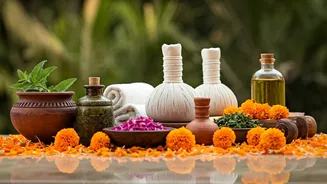
For many in India, this 'new' trend is actually a return to ancient wisdom. The principles of Ayurveda have long been built around 'Ritucharya', a seasonal regimen for diet and lifestyle designed to maintain health as the seasons change. Our festivals are deeply tied to harvests and celestial cycles, from Pongal and Makar Sankranti celebrating the winter harvest to the monsoon-centric celebrations of Teej and Onam. We intuitively know the joy of biting into a juicy mango during a hot summer, or the comfort of a warm bowl of 'gajar ka halwa' in winter. These aren't just culinary traditions; they are ingrained examples of seasonal living. Re-embracing this concept isn't about adopting a foreign idea but rather consciously reconnecting with a wisdom that has been part of our cultural DNA for centuries.
How to Gently Begin
Adopting a seasonal lifestyle doesn't require a radical life overhaul. It's about making small, intentional choices. Start with your plate: visit a local vegetable vendor and ask what’s fresh and in-season. Try cooking one meal a week based entirely on seasonal produce. Notice the change in light and adjust your routine accordingly—perhaps waking a little earlier in the summer to enjoy the cool morning air, or allowing yourself more rest on dark, rainy evenings. You can also align your activities with the season. Plan hikes and outdoor picnics when the weather is pleasant, and schedule indoor projects, reading, or learning a new skill during harsher weather. The key is to pay attention to the world outside your window and let it guide you, rather than fighting against it.