





Beyond the Basics of Fibre
Dietary fibre is a type of carbohydrate that our bodies can't digest. Instead of being broken down, it passes through our system, playing a crucial role in regulating blood sugar and keeping us feeling full. There are two main types: soluble and insoluble.
Soluble fibre dissolves in water to form a gel-like substance, helping to lower cholesterol and blood sugar levels. You'll find it in oats, beans, apples, and carrots. Insoluble fibre doesn't dissolve and adds bulk to stool, promoting regular bowel movements. Good sources include whole-wheat flour, nuts, and vegetables like cauliflower and green beans. Most plant-based foods contain a mix of both, each contributing to your health in unique ways.
A Feast for Your Gut
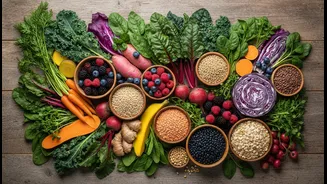
Your gut is home to trillions of microorganisms, collectively known as the gut microbiome, which is vital for everything from digestion to immunity. The key to a healthy microbiome is diversity, and that's where a varied plant-based diet shines. Different types of fibre and plant compounds feed different beneficial bacteria. Research has consistently shown that people who eat a wide variety of plant foods have a more diverse and robust gut microbiome. One major study found that individuals who consumed 30 or more different types of plants per week had significantly more diverse gut bacteria compared to those who ate 10 or fewer. This diversity helps produce beneficial compounds like short-chain fatty acids, which reduce inflammation and support overall gut health.
Adventure on Your Plate
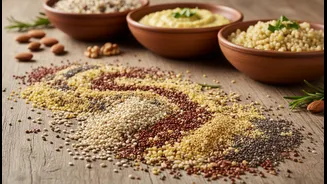
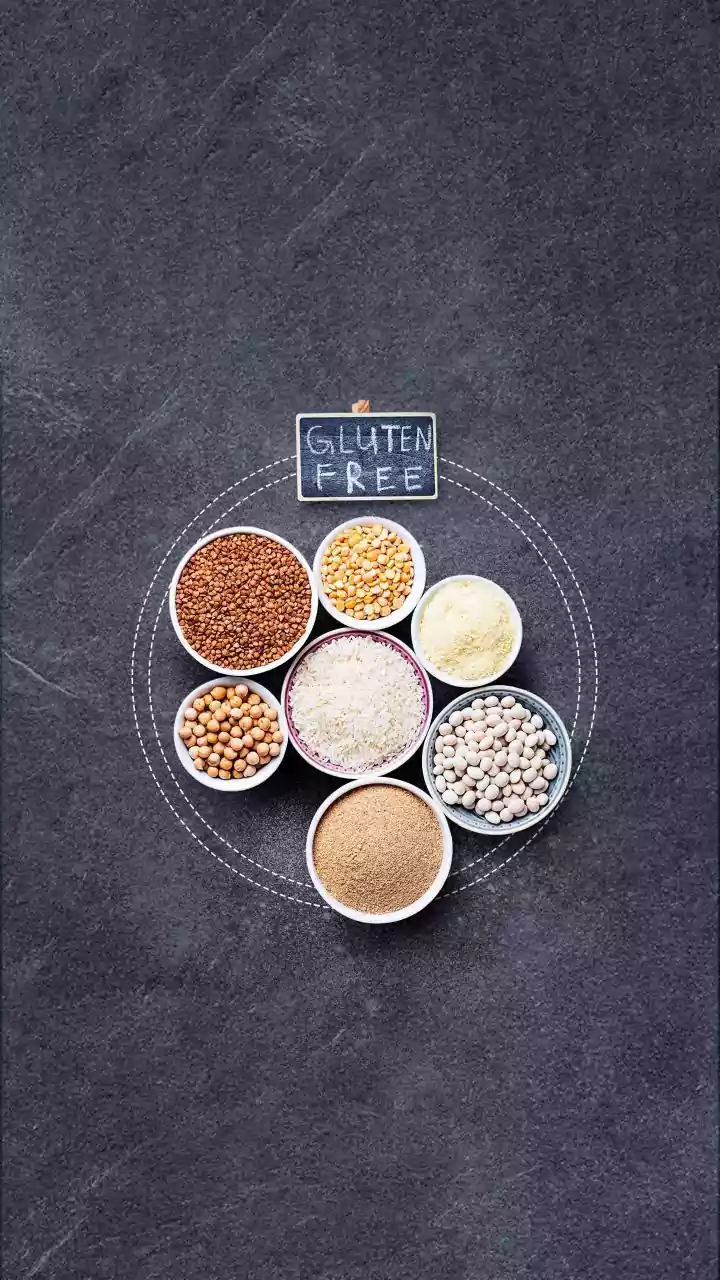
Eating for fibre doesn't have to be a monotonous cycle of the same few vegetables. India’s rich agricultural heritage offers a vast palette of options to make your meals exciting. Move beyond the usual and explore the incredible variety of local and seasonal produce. Incorporate different millets like jowar, bajra, and ragi into your diet as alternatives to rice and wheat. Instead of relying on just one type of dal, try mixed dal preparations or explore less common legumes. Our local markets are treasure troves of diverse greens beyond spinach, like amaranth leaves (chaulai), fenugreek (methi), and moringa (drumstick leaves). Trying just one new vegetable or fruit each week can dramatically increase the diversity of your diet, introducing new flavours, textures, and nutrients.
Eating for a Healthier Planet
The benefits of plant diversity extend beyond your personal health to the health of the planet. The Green Revolution, while increasing food production, often led to monoculture farming—growing vast fields of a single crop. This practice can deplete soil nutrients and reduce biodiversity. In contrast, supporting and consuming a wide variety of crops helps promote agricultural biodiversity. Traditional Indian dietary patterns, which are predominantly plant-based and utilise a wide range of grains, lentils, and local vegetables, are now being recognised globally as a model for sustainability. Choosing diverse, local, and seasonal produce supports farming practices that are more resilient and less demanding on the environment, helping to preserve soil health and reduce our collective footprint.
Simple Swaps for a Diverse Diet
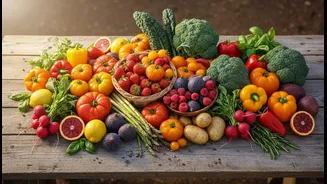
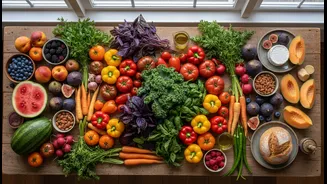
Integrating more plant diversity into your daily meals is easier than it sounds. Start with small, manageable changes. Swap refined grains for whole grains like brown rice, barley, or millets. Make it a goal to 'eat the rainbow'—different coloured fruits and vegetables contain different phytonutrients, so a colourful plate is a healthier one. Add a handful of nuts and seeds to your breakfast or salads for an extra boost of fibre and healthy fats. Explore traditional Indian preparations like 'koottu' or 'sundal' which are designed to combine various vegetables and legumes. Even simply adding fresh herbs to your meals can increase your plant count and add a burst of flavour. The goal isn't perfection but a gradual exploration of the rich and varied world of plants.