





The secret to a perfect one-pot dish lies in balance. For many vegetarian Indian meals, that balance comes from a touch of sourness. Here’s how to master three essential souring agents: kokum, tamarind, and lemon, to elevate your everyday cooking.
The Power of Sour in Indian Cooking
In the
symphony of Indian flavours, sourness is the element that makes everything sing. It cuts through the richness of coconut milk, balances the sweetness of jaggery or onions, and brightens the earthy notes of lentils and vegetables. Without it, a dal can taste flat and a sabzi one-dimensional. While tomatoes and yogurt are common souring agents, the trio of kokum, tamarind, and lemon offers a more nuanced palette for the discerning home cook. Each brings a unique personality to a dish, and knowing which one to use, and when, is key to transforming a good meal into a great one.
Kokum: The Mellow, Smoky Sour
Hailing from the Western Ghats, particularly the Konkan coast of Goa and Maharashtra, kokum is a unique fruit from the mangosteen family. Unlike the sharp acidity of its counterparts, dried kokum rind imparts a gentler, more complex tartness with a slightly sweet, floral, and almost smoky finish. This mellow flavour profile makes it ideal for dishes where you want to add depth without overpowering other ingredients. It's famously used in 'sol kadhi', a soothing pink drink made with coconut milk, and it's the soul of many Goan and Maharashtrian dals and curries. In a one-pot vegetarian dish, a few pieces of dried kokum (or 'amsol') can be added during cooking to infuse a subtle, lingering tang into lentil dishes or a mixed vegetable curry, especially those with a coconut base. It pairs beautifully with bhindi (okra) and root vegetables.
Tamarind: The Sweet and Sour Workhorse
Tamarind is arguably the most widely used souring agent across India, especially in the south. Its flavour is bold and pronounced—a robust combination of sweet and sour that can stand up to strong spices. Tamarind comes in several forms: a sticky block of pulp with seeds, a smooth concentrate, or a ready-to-use paste. For one-pot meals like sambar, rasam, or a hearty lentil and vegetable stew, tamarind provides the essential tangy backbone. Its complex flavour adds a layer of depth that is difficult to replicate. When cooking a one-pot dal or a 'pulusu' (a sour stew), tamarind is often added midway through the cooking process to allow its flavour to meld with the other spices. A little jaggery is often added to balance tamarind's intensity, creating the classic sweet-and-sour profile that defines many beloved dishes.
Lemon: The Bright, Fresh Finisher
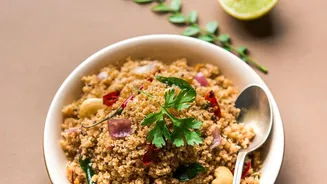
Lemon juice is the master of fresh, zesty acidity. Unlike kokum and tamarind, which are typically added during cooking, lemon is best used as a finishing touch. Heat can dull its vibrant flavour, so a final squeeze just before serving is the best way to harness its power. This bright high note can instantly lift a dish, cutting through richness and neutralizing excess saltiness or spice. For a simple masoor dal, a chana masala, or a quick vegetable stir-fry, a dash of lemon juice adds a burst of freshness that cooked souring agents cannot. It's the perfect choice for lighter one-pot meals like vegetable pulao or upma, where you want to add a clean, uncomplicated tang without the deeper, more complex notes of tamarind or the subtle fruitiness of kokum.
A Quick Guide: Which to Use When?
Choosing the right souring agent depends on the flavour profile you want to achieve. Use Kokum when you want a mild, deep, and slightly fruity tang that doesn't scream for attention. It’s perfect for coconut-based dals, black gram curries, or when you want the sourness to be a background note. Soak a few dried pieces in warm water and add the infused water to your dish. Use Tamarind when your one-pot dish needs a robust, complex, sweet-and-sour foundation. It's essential for South Indian classics like sambar and works well in lentil dishes made with toor dal or in tangy vegetable stews with gourds and drumsticks. Use Lemon when you need a final burst of bright, fresh acidity to lift and liven up a dish. It’s ideal for lighter dals, most North Indian sabzis, and any dish where you want to preserve a fresh, zesty flavour. Always add it at the very end of cooking.