







The Tiny Terror in Your Tomato Patch
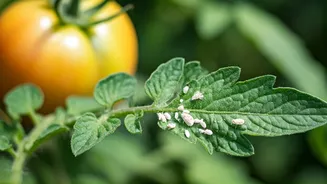
Whiteflies are not true flies; they are tiny, sap-sucking insects closely related to aphids and mealybugs. You'll often find them in clusters on the undersides of leaves. When a plant is disturbed, a cloud of tiny white insects will scatter, confirming
their presence. They cause damage by sucking the juices from tomato plants, which leads to yellowing leaves, stunted growth, and premature leaf drop. If an infestation is severe enough, it can lead to plant death. Furthermore, as they feed, whiteflies excrete a sticky substance called honeydew, which promotes the growth of a black, sooty mold. This mold can interfere with photosynthesis, further weakening your plants. They are also known to transmit viruses between plants.
Why Choose an Organic Neem Spray?
For gardeners seeking an effective and environmentally conscious solution, neem oil is a top choice. Derived from the seeds of the neem tree (*Azadirachta indica*), this oil is a powerful natural pesticide and fungicide that has been used for centuries. Its primary active component, azadirachtin, works not as a simple contact poison, but by disrupting the life cycle of pests. It acts as an anti-feedant, a repellent, and an insect growth regulator, which interferes with the insects' ability to molt and lay eggs. This multifaceted approach is highly effective against pests like whiteflies. Unlike many synthetic pesticides, cold-pressed neem oil is biodegradable and considered non-toxic to humans and pets when used correctly. It also has a low impact on beneficial insects like bees and ladybugs, especially when applied at the right time of day.
Your DIY Neem Spray Recipe
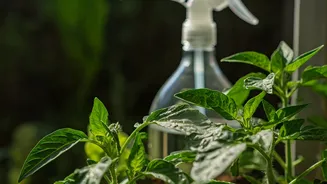
Mixing your own neem spray is simple and more cost-effective than buying pre-mixed solutions, which can also be less potent. For a standard preventative spray, you will need three ingredients: cold-pressed neem oil, a mild liquid soap, and warm water. The soap acts as an emulsifier, allowing the oil to mix with the water. A common recipe for a one-litre spray bottle is: 1 litre of warm water, 1 teaspoon (about 5ml) of 100% cold-pressed neem oil, and ½ teaspoon (about 2-3ml) of a mild, biodegradable liquid soap. It's crucial to use warm water to help the oil dissolve. Shake the bottle vigorously before and during application to keep the mixture emulsified, as oil and water will separate over time. Always make a fresh batch for each use, as the active ingredients in neem oil begin to break down within hours of being mixed with water.
The Correct Application Method
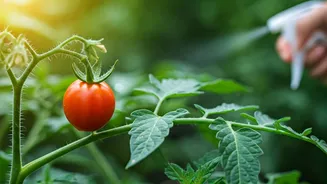
Timing and technique are everything when applying neem oil to avoid harming your plants. Always spray in the early morning or late evening. Applying the spray in direct sunlight or high heat can cause the oil to burn the leaves of your tomato plants. When you spray, be thorough. Whiteflies and their eggs are most often found on the undersides of leaves, so you must coat these surfaces completely. Spray the entire plant, including the stems and the top surface of the soil. Don't be alarmed if the whiteflies scatter; the goal is to coat the plant surfaces where the eggs, larvae, and nymphs reside. Before treating the entire plant, it's wise to test the spray on a single leaf and wait 24 hours to ensure your plant doesn't have a negative reaction.
Establishing a Weekly Routine
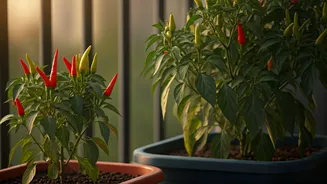
Consistency is the key to breaking the whitefly life cycle. For an active infestation, you may need to spray every 3 to 7 days to eliminate successive generations that hatch. Once the pests are under control, applying the spray weekly serves as an excellent preventative measure, deterring new whiteflies from settling on your plants. This regular application is what makes the strategy so effective. It continually disrupts the pests' ability to feed and reproduce, keeping their population from exploding. A weekly routine ensures that your balcony tomatoes remain protected throughout the growing season, allowing them to thrive and produce a healthy harvest without the stress of a persistent pest problem.