





Finding Your Groove with Low Intensity
Starting a freestyle dance workout doesn't mean you need to launch into complex, high-energy moves. The best foundation is built with low-intensity movement. Think of this as your starting point, a way to connect with the music and your body without pressure.
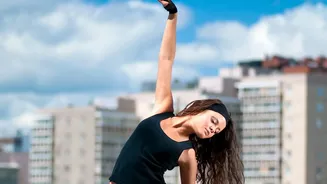
Low-intensity freestyle can be as simple as swaying to a beat, gentle stepping from side to side, or marching in place. The goal here isn't to break a sweat, but to warm up your muscles, loosen your joints, and build confidence. This is the phase where you can overcome any self-consciousness; there are no rules, so there's nothing to get wrong. Focus on small, controlled actions: roll your shoulders, circle your hips, and tap your feet. Use slower music, like a song with 70-90 beats per minute (BPM), to keep the pace relaxed. This approach helps you get used to moving freely and expressively while being gentle on your body.
Building Momentum with Medium Intensity
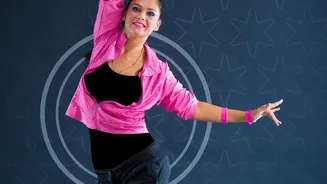
Once you feel comfortable with the basics, it’s time to level up to medium intensity. This is where your workout truly begins to feel like a workout. Medium-intensity dance involves larger movements that engage your whole body and start to raise your heart rate. You might transition from simple steps to more dynamic actions like grapevines, deeper body rolls, and bigger arm movements. The key is to maintain continuous motion. You should be able to hold a conversation, but you’ll likely be a bit breathless—this is a good sign you’re in the right zone. Music is your best tool here; pick songs with a moderate, steady tempo that makes you want to move more. This is also where you can start to incorporate more defined dance elements if you wish, such as Latin-inspired walks or simple hip-hop grooves. The focus is on building stamina and flow, turning simple steps into a more fluid and continuous dance session.
Unleashing Energy in High-Intensity Bursts
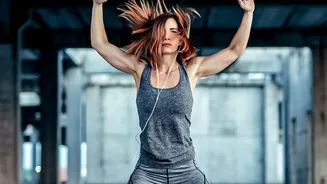
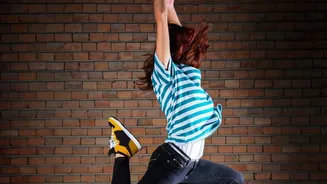
High-intensity movements are the peaks of your workout, designed to challenge your cardiovascular system in short, powerful bursts. These are the moments you truly let loose. Think jumps, fast footwork, energetic kicks, or even 'Beyoncé-style pumps' with attitude. High-intensity dance is incredibly effective for burning calories and improving endurance, but it's crucial for beginners to approach it with caution. Rather than sustaining this level for a whole song, think of it as interval training. You can use the chorus of a high-energy song to introduce a burst of intense movement, then scale back to a medium or low intensity during the verse. Always land softly with bent knees during jumps to protect your joints. This level of effort should leave you breathless and unable to speak easily. It's exhilarating and fun, but should be used sparingly until you've built a solid fitness base.
Music: Your Personal Fitness DJ
One of the most powerful tools in a freestyle dance workout is your playlist. Music does more than just provide a background; it directly influences your workout's intensity and emotional feel. A well-crafted playlist can act as your personal trainer, guiding you through different phases of exertion. Start your session with songs that have a slow-to-moderate tempo (around 90 BPM) to warm up your muscles. Gradually increase the tempo to move into a medium-intensity zone. For your high-intensity intervals, choose fast, powerful tracks that energize you. The beat can serve as a natural pacemaker, helping you maintain a steady rhythm and making complex sequences feel smoother. Creating a playlist that mixes different tempos allows you to naturally vary the intensity of your workout without having to consciously think about it all the time.
Listening to Your Body is Key
Freestyle dance is about freedom, and that includes the freedom to adapt the workout to how you feel on any given day. Listening to your body is the most important rule. If a movement causes pain, stop immediately. Don't feel pressured to perform high-impact moves like jumping; you can always modify them by keeping one foot on the ground. For example, replace jumps with marches or energetic step-touches. Before you even start, it's wise to clear a safe space, free of clutter, and wear comfortable clothing. Pay attention to signs of overexertion, such as dizziness or sharp pain. A good workout should challenge you, but it should never hurt. Building a habit you enjoy and can stick with is more important than pushing yourself too hard, too soon.