
Step 1: Choose Your Spectacle
Kerala’s festival calendar is packed year-round, so the first step is deciding what kind of experience you want. For grandeur, nothing beats Thrissur Pooram (usually April-May), known for its majestic elephant processions and percussive ensembles. If
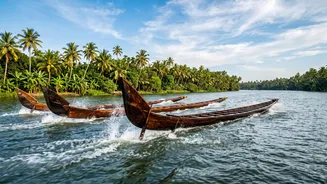
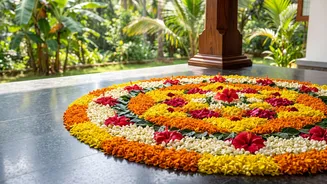
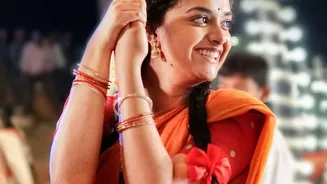
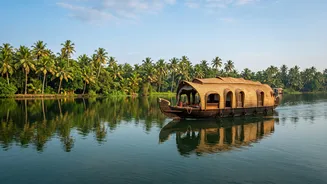
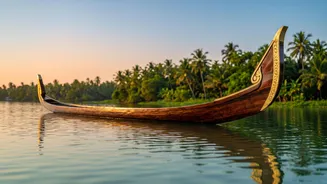
you’re seeking a statewide cultural immersion, plan for Onam (August-September), the grand harvest festival celebrated with floral carpets, elaborate feasts, and thrilling snake boat races. For a more mystical and ancient ritual, the Theyyam season in North Kerala (October to May) offers a mesmerising experience, where performers transform into living deities in fiery, hypnotic dances. Other notable events include Vishu, the Malayalam New Year in April, and the Attukal Pongala in March, the largest gathering of women for a single religious event.
Step 2: Time It Right and Book Early
Once you've chosen a festival, timing and booking become critical. Festival dates are determined by the Malayalam calendar, not the Gregorian one, so they shift each year. Always verify the exact dates for the year you plan to travel. The peak season for temple festivals runs from February to May, while Onam and the famous boat races dominate the post-monsoon period from July to September. For popular events like Thrissur Pooram and the Nehru Trophy Boat Race, accommodations get booked out months in advance. It is highly recommended to book your flights and hotels at least three to four months prior, especially if you want a room with a good view of the processions or easy access to the event grounds.
Step 3: Plan Your Local Transport
Navigating Kerala during a major festival requires some planning as roads can be closed for processions. For travel between cities, Kerala has a reliable train network, which is often faster and more comfortable than buses. Booking train tickets in advance, especially during peak season, is essential. Within towns and cities, auto-rickshaws are a convenient and affordable option for short distances. For greater flexibility, consider hiring a car with a local driver. They can navigate road closures, know the best routes, and can be invaluable for reaching remote temples, particularly for Theyyam performances which often happen in villages with limited public transport. App-based cab services are also widely available in major cities.
Step 4: Pack Smart and Dress Appropriately
Packing for Kerala means preparing for warm, humid weather. Lightweight cotton clothing is your best friend. Comfortable walking shoes are a must, as you’ll likely be on your feet for hours exploring the festivities. Remember to pack essentials like sunscreen, a hat, sunglasses, and a reusable water bottle to stay hydrated. A power bank for your phone is also a lifesaver for long days out. When visiting temples and attending religious ceremonies, it's important to dress modestly. This generally means covering your shoulders and legs. Some temples may require traditional attire, so it’s wise to carry a shawl or a mundu (a traditional garment worn around the waist) just in case.
Step 5: Embrace the Culture Respectfully
Kerala's festivals are deeply rooted in tradition and community spirit. While they are incredibly welcoming to tourists, it's important to be a respectful observer. Always ask for permission before taking close-up photographs of people or rituals; some ceremonies may have restrictions on photography. If you are invited to someone's home for a meal, especially during Onam, consider it a great honour and accept graciously. Be mindful of your surroundings during crowded events like Thrissur Pooram and maintain a safe distance from processions and fireworks. Engaging with a local guide can significantly enhance your experience, as they can explain the intricate rituals and stories behind the celebrations you are witnessing.