
Understanding the Recent Disaster
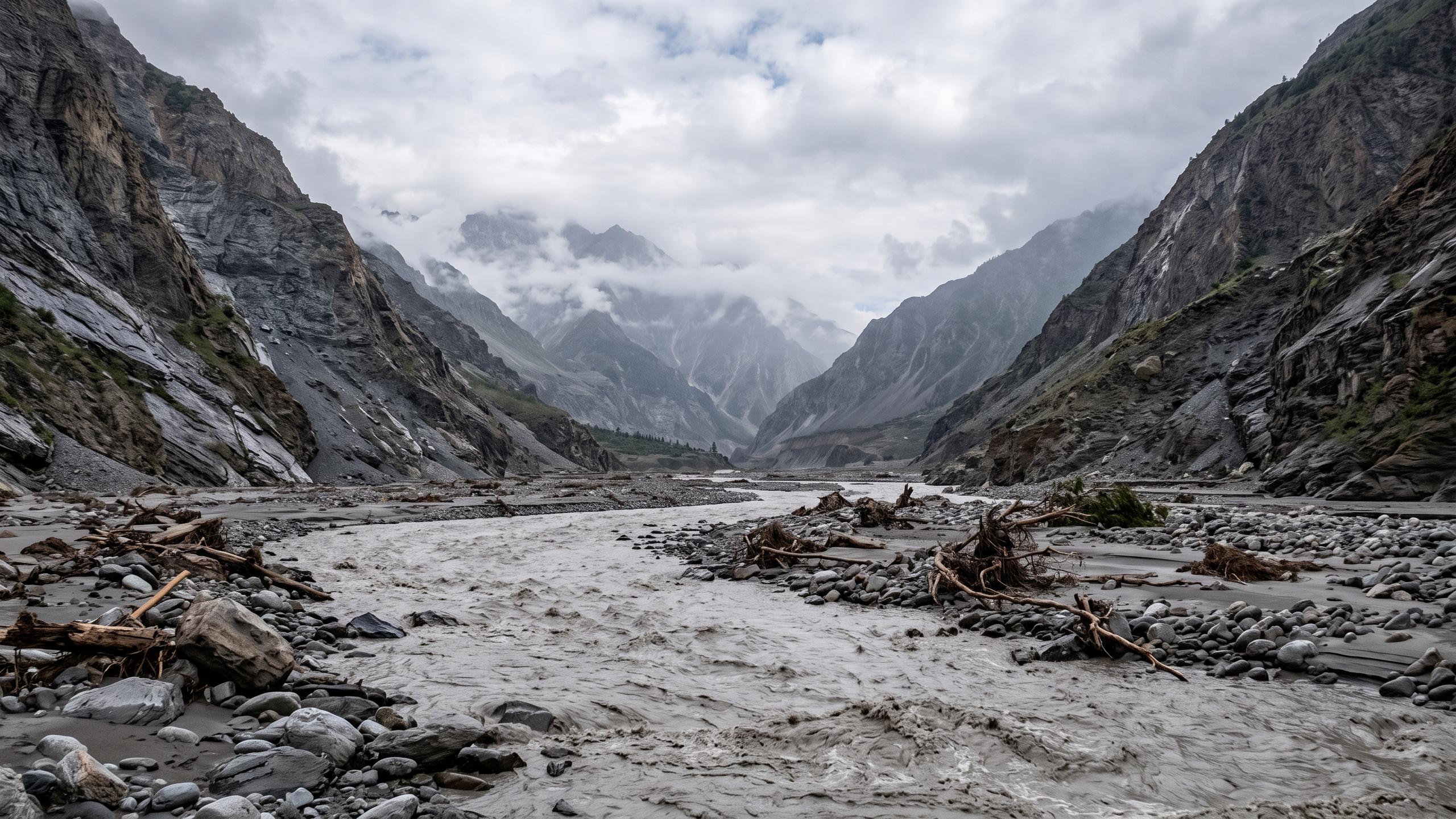
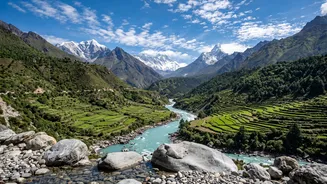
In late August 2026, a catastrophic flash flood tore through central Nepal after a massive portion of a glacier collapsed near the border with Tibet. The failure, which registered as a magnitude 5.2 seismic event, sent a torrent of ice, rock, and water
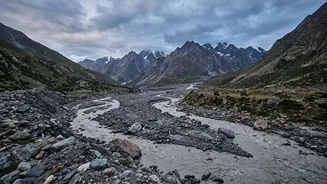
down the Lhende Khola and Trishuli river systems. The surge was so powerful that river levels reportedly rose by nine meters in just 30 minutes, overwhelming communities and critical infrastructure with little to no warning. This event highlights a dangerous phenomenon known as a Glacial Lake Outburst Flood (GLOF), a hazard becoming more frequent as climate change accelerates glacier melt across the Himalayas.
What Exactly is a GLOF?
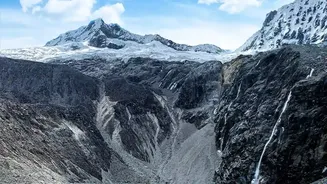
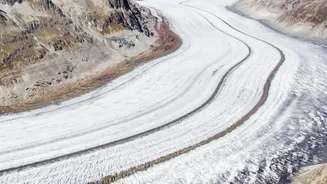
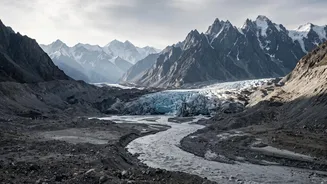
A GLOF is the sudden and violent release of water from a lake dammed by glacial ice or a moraine—a ridge of rock and debris left by a retreating glacier. As global temperatures rise, Himalayan glaciers are melting at an accelerated rate, feeding and enlarging these lakes. The natural dams holding them back can be unstable. A failure can be triggered by a variety of events, including an avalanche of rock or ice into the lake, which displaces a massive volume of water and causes the dam to be overtopped or breached. The resulting flood can carry immense power, picking up boulders and sediment, and travelling over 100 kilometres downstream.
Why the Risk is Growing in Nepal
The Himalayas are warming at a rate nearly double the global average, causing glaciers to retreat and thin rapidly. This process is creating new glacial lakes and expanding existing ones, with an estimated 47 potentially dangerous glacial lakes identified in the basins of major rivers that flow through Nepal. Many of these lakes are in remote, hard-to-monitor locations, including 25 in Tibet that pose a cross-border threat to downstream communities in Nepal. The warming climate also thaws permafrost, which can destabilise entire mountainsides, making large-scale rock and ice avalanches—like the one that triggered the August 2026 flood—more likely.
Know the High-Risk Regions
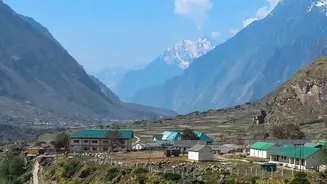
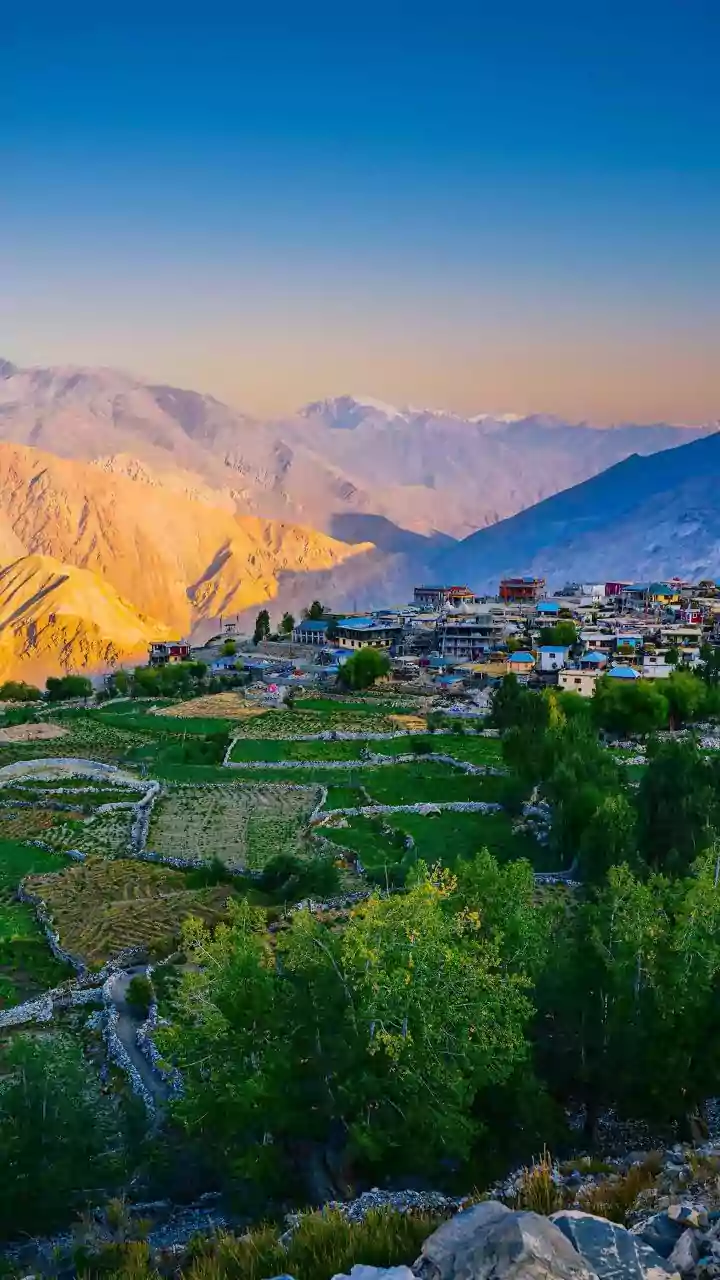
While the threat exists across the Himalayas, certain areas are more closely monitored. The recent disaster heavily impacted the Trishuli River basin, affecting trekking access in the Langtang region. Historically, other high-risk areas for GLOFs include the regions around Imja Tsho lake in the Khumbu (Everest) region and Tsho Rolpa lake in the Rolwaling Valley. An official inventory also identifies Thulagi lake in the Annapurna region (above the Marsyangdi basin) and Lower Barun, Lumding Tsho, and Hongu 2 lakes in eastern Nepal as priorities for risk reduction. Trekkers in any valley with a large glacier at its head should be aware of the potential, however remote, for a GLOF.
How to Plan for a Safer Trek
Preparation is paramount. Before you travel, check official advisories from sources like your home country's foreign ministry or the Nepal Tourism Board. Hire a reputable, licensed trekking agency with experienced local guides who understand current conditions and risks. Discuss contingency plans with your operator, including alternative routes and evacuation procedures. Ensure your travel insurance provides comprehensive coverage for trekking at high altitudes and includes medical evacuation. Finally, build flexibility into your itinerary; mountain weather and conditions can change rapidly, and being willing to alter your plan is a key part of safety.
On the Trail: Staying Aware
Once in the mountains, always listen to the advice of your local guide. Stay on designated trails and never take unknown shortcuts. Be particularly cautious when camping near rivers; always choose a site well above the riverbank and away from obvious flood channels. Unusual roaring sounds, a sudden change in the river’s color, or a rapid rise in water level are all danger signs that require moving to higher ground immediately. If caught in a flood, do not attempt to cross rising water; turn back and find a safer, higher location. Being attentive to your surroundings is just as important as being physically prepared for the trek.