



When winter arrives, India’s forests come alive in a unique way. The cooler air and softer light create perfect conditions for wildlife spotting, offering a magical experience far from the summer heat. Here are five destinations to consider.
Ranthambore National Park, Rajasthan
Ranthambore
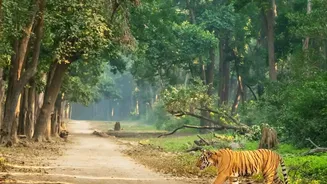
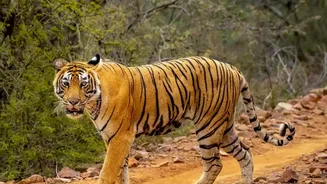
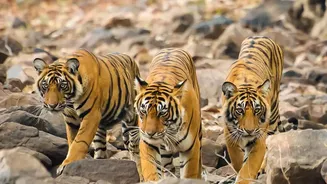
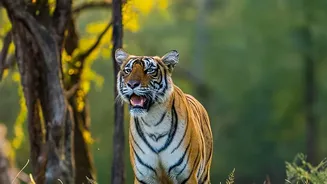
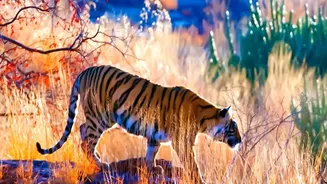
in winter is a photographer's dream. The pleasant weather, with temperatures ranging from 10°C to 25°C, makes for comfortable safaris. More importantly, tigers often bask in the gentle morning sun, increasing the chances of a memorable sighting. The landscape, a mix of ancient forts, shimmering lakes like Padam Talao, and dry deciduous forests, provides a stunning backdrop. Misty mornings lend an atmospheric quality to the drives, with sambar and spotted deer calls echoing in the crisp air. Winter also sees thinner foliage compared to the post-monsoon season, improving visibility for spotting not just tigers but also leopards, sloth bears, and a variety of resident and migratory birds.
Jim Corbett National Park, Uttarakhand
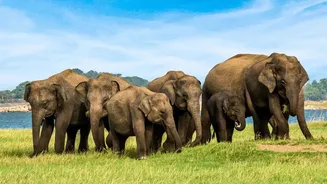
As India’s oldest national park, Jim Corbett offers a classic Himalayan foothills experience that is especially enchanting in winter. With all safari zones like Dhikala and Bijrani open from mid-November, visitors can explore its diverse habitats of grasslands, sal forests, and riverbeds. The cool, pleasant days are ideal for safaris, where you might spot the majestic Bengal tiger, elephants, and gharials. The crisp winter air improves visibility, and the forest feels more accessible. For birdwatchers, winter is a prime season, as over 650 species, including migratory birds, make the park their home. Early mornings can be foggy, especially in the grasslands, creating a mystical atmosphere perfect for photography.
Kaziranga National Park, Assam
Winter is the undisputed best time to visit Kaziranga, a UNESCO World Heritage Site famous for the great one-horned rhinoceros. After the monsoon floods recede, the tall grasslands become accessible, and wildlife gathers around the 'beels' or water bodies, making for excellent viewing. Beyond rhinos, the park is a crucial habitat for elephants, wild water buffalo, and swamp deer. Winter is also a spectacular time for birding. The park becomes a haven for thousands of migratory birds arriving from as far as Siberia and Central Asia, with a recent census showing a significant increase in their numbers. Species like the bar-headed goose and various raptors add to the park's incredible biodiversity.
Tadoba Andhari Tiger Reserve, Maharashtra
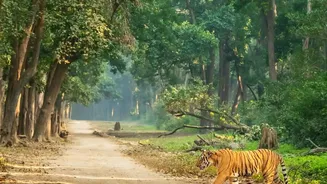
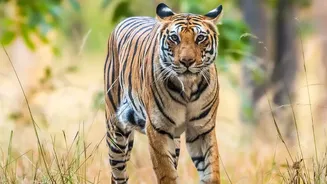
Often called the 'Jewel of Vidarbha', Tadoba offers some of the highest chances of tiger sightings in India. While summer is famous for sightings near waterholes, winter provides a more comfortable safari experience with pleasant weather. On cold mornings, tigers are often seen walking along safari tracks or resting in sunny patches to warm up. The post-monsoon greenery lingers into early winter, creating a lush, photogenic landscape that is a stark contrast to the dry summer months. The thinning foliage by January and February improves visibility for spotting other wildlife like sloth bears, wild dogs (dholes), and gaur. The season also attracts a rich variety of migratory birds, making it a rewarding time for birdwatchers.
Hemis National Park, Ladakh
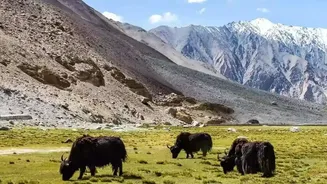
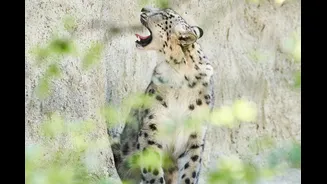
For the truly adventurous wildlife enthusiast, a winter expedition to Hemis National Park offers a chance to see one of the world's most elusive big cats: the snow leopard. This is not a typical jeep safari but a high-altitude trek in freezing conditions, best undertaken between January and March. During these months, the 'Ghost of the Mountains' descends to lower valleys like Rumbak in search of prey, such as blue sheep (bharal). This increases the chances of a sighting. Led by expert guides and spotters, the trek is a challenging but immensely rewarding experience, set against the stark, breathtaking beauty of the Ladakhi winter. Besides the snow leopard, you may also spot Tibetan wolves, Asiatic ibex, and golden eagles.