






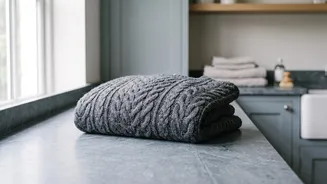

It’s a familiar moment: opening a storage bin of winter clothes and being hit with a stale, musty smell. While your first instinct might be to reach for a fabric spray, masking the odour is only a temporary fix that doesn’t solve the problem.
Understanding the Source of the Smell
That distinct
musty odour is primarily caused by mildew and bacteria. These microorganisms thrive in dark, damp, and poorly ventilated environments. When clothes are stored for long periods, especially if they are not completely dry, they become an ideal breeding ground. Even clothes that appear clean can harbour residual moisture, body oils, or sweat, which feed the odour-causing bacteria over time. Airtight plastic containers can exacerbate the issue by trapping any existing humidity, while storage areas like basements or garages often have high moisture levels that contribute to the problem.
Prevention: The Pre-Storage Routine
The most effective way to prevent musty smells is to ensure your clothes are perfectly clean and bone-dry before they go into storage. Wash or dry-clean everything, even items you only wore once. This removes the invisible oils and organic matter that mildew feeds on. After washing, make sure every item is completely dry. Even a hint of dampness can lead to mildew growth over a few months in a closed container. Take extra time with heavy items like sweaters and coats, ensuring cuffs, collars, and thick seams have no residual moisture.
Choosing the Right Storage Containers
Not all storage solutions are created equal. While airtight plastic bins are excellent at keeping out pests and dust, they can also trap moisture, which is risky for natural fibres like wool, silk, or leather that need to 'breathe'. For these delicate materials, consider breathable options like canvas boxes or cotton garment bags. Sturdy cottons, denim, and synthetic fabrics generally do well in sealed plastic containers. Vacuum-sealed bags are a great space-saving option for bulky items and offer protection from moisture and dust, provided the items inside are completely dry to begin with. Regardless of the container, avoid storing clothes in damp areas like basements or attics whenever possible. A cool, dry, and dark closet or under-bed space is ideal.
The Rescue Mission: Deodorising Smelly Clothes
If you've already unpacked a batch of musty-smelling clothes, don't despair. Start by airing them out for several hours, preferably outdoors in a shaded, dry area. Next, turn to two pantry staples: white vinegar and baking soda. You can pre-soak garments in a solution of one part vinegar to two parts water for about 30 minutes before washing. Alternatively, add one cup of white vinegar to your washing machine's rinse cycle. For another load, add half a cup of baking soda along with your regular detergent to help neutralize odours. Never mix vinegar and bleach. For tough smells, you may need to wash items twice using these methods. Finally, ensure the clothes are thoroughly dried, as any remaining dampness will bring the smell right back.
Maintaining Freshness in Storage
To keep your containers smelling fresh for the long haul, add a natural odour absorber. Activated charcoal pouches are highly effective at trapping moisture and neutralizing smells. Cedar blocks are another popular choice, as they absorb moisture and can help repel moths. You can also make your own sachets by filling small fabric bags with baking soda, dried lavender, or cotton balls infused with essential oils like eucalyptus or lemon. Place these inside your storage bins to maintain a clean, pleasant scent. Replacing these natural fresheners each season will ensure your winter wardrobe is always ready to wear.