



The Annual Recharge
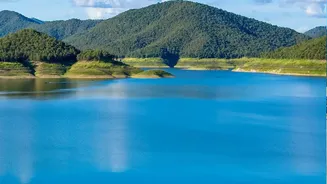
The four-month monsoon season is the primary engine for replenishing India's water sources. It accounts for over 70% of the country's annual rainfall, filling rivers, lakes, and aquifers. Most importantly, it tops up the 178 major reservoirs monitored
by the Central Water Commission (CWC). These dams are the backbone of water management, designed to capture massive volumes of rainwater during the monsoon for use throughout the dry seasons that follow. For millions of people living in cities, the water that fills these reservoirs between June and September directly determines the availability of drinking water well into the next year. A healthy monsoon leading to full reservoirs is the first and most crucial step in ensuring urban water security.
A Below-Average Report Card for 2026
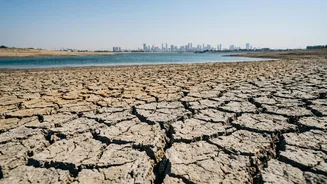
The 2026 southwest monsoon season concluded with a significant rainfall deficit, pegged at around 12-13% below the long-period average. This was the driest monsoon in years, influenced by a strengthening El Niño pattern. The impact on the country's reservoirs is now clear. As of late September, collective storage in India's key reservoirs stood at approximately 70% of total capacity. This figure is notably below the 10-year average of 76.6% and also lower than the levels recorded at the same time last year. This overall shortfall paints a worrying picture for the upcoming dry months, signaling potential stress on water supplies for drinking, irrigation, and power generation.
The Uneven Distribution Problem
The national average doesn't tell the full story. The 2026 monsoon was marked by highly uneven distribution. While some regions received adequate or even surplus rain, others faced prolonged dry spells. The situation is particularly acute in southern India. Reservoirs in the southern region—covering states like Karnataka, Tamil Nadu, Andhra Pradesh, Telangana, and Kerala—are reportedly at just 50% of their total capacity, a steep drop from previous years. This is a direct consequence of a rainfall deficit in the region, which was about 23% below normal. This disparity means that while some cities may have a comfortable buffer, others, especially in the south, are entering the post-monsoon period with a severe handicap, increasing their vulnerability to water shortages. Drought has already been declared in parts of Karnataka and Maharashtra.
More Than Just Monsoon Levels
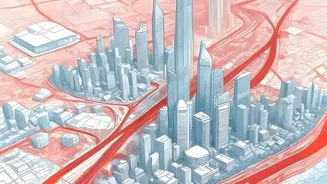
While reservoir levels are a critical starting point, urban water security is a more complex issue. Many Indian cities face structural challenges that a good monsoon alone cannot solve. Rapid urbanisation puts immense pressure on existing infrastructure. Cities like Bengaluru, Chennai, and Delhi are heavily reliant on water piped from distant reservoirs, and a significant amount of this treated water is lost through ageing, leaky pipelines before it ever reaches a tap. Furthermore, the over-extraction of groundwater has depleted a crucial backup resource. The disappearance of local water bodies like lakes and ponds, which help recharge groundwater, further complicates the problem, creating a paradox where cities can experience both flooding during heavy rains and severe water scarcity just weeks later.