






The Monsoon Myth
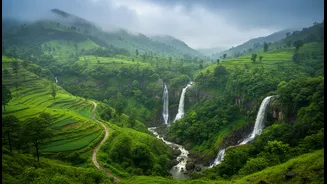
For most of India, the period from June to September means heavy cloud cover, high humidity, and relentless rain—conditions that are the exact opposite of what astronomers hope for. The conventional wisdom is simple: the monsoon washes out any chance
of seeing the night sky. High humidity can cause atmospheric distortion, reducing clarity and making stars appear hazy. Moisture can also condense on lenses and mirrors, a frustrating problem for anyone with binoculars or a telescope. Because of this, winter and the post-monsoon months are generally considered the prime seasons for stargazing in India, when the air is dry and the skies are clear.
The Cloud Gap Opportunity
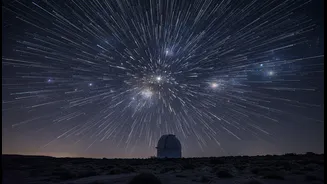
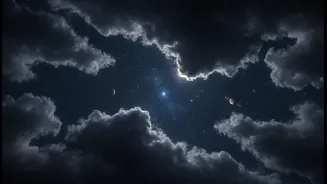
However, the monsoon is not a monolithic, unbroken blanket of clouds. The season is characterized by active phases and 'break' periods. These breaks are dry spells that can last for several days, often caused by a northward shift of the monsoon trough. During these breaks, rainfall decreases significantly over large parts of India. Even outside of these longer breaks, the monsoon features dynamic cloud patterns. Nights can see periods where heavy rain gives way to temporarily clear skies. These windows, while unpredictable and often brief, present a unique opportunity. The rain washes dust and pollutants from the atmosphere, leading to moments of exceptional transparency and clarity right after a shower. This is the stargazing 'hack': using weather apps and a bit of patience to exploit these fleeting moments of perfect clarity.
What to Spot in July 2026
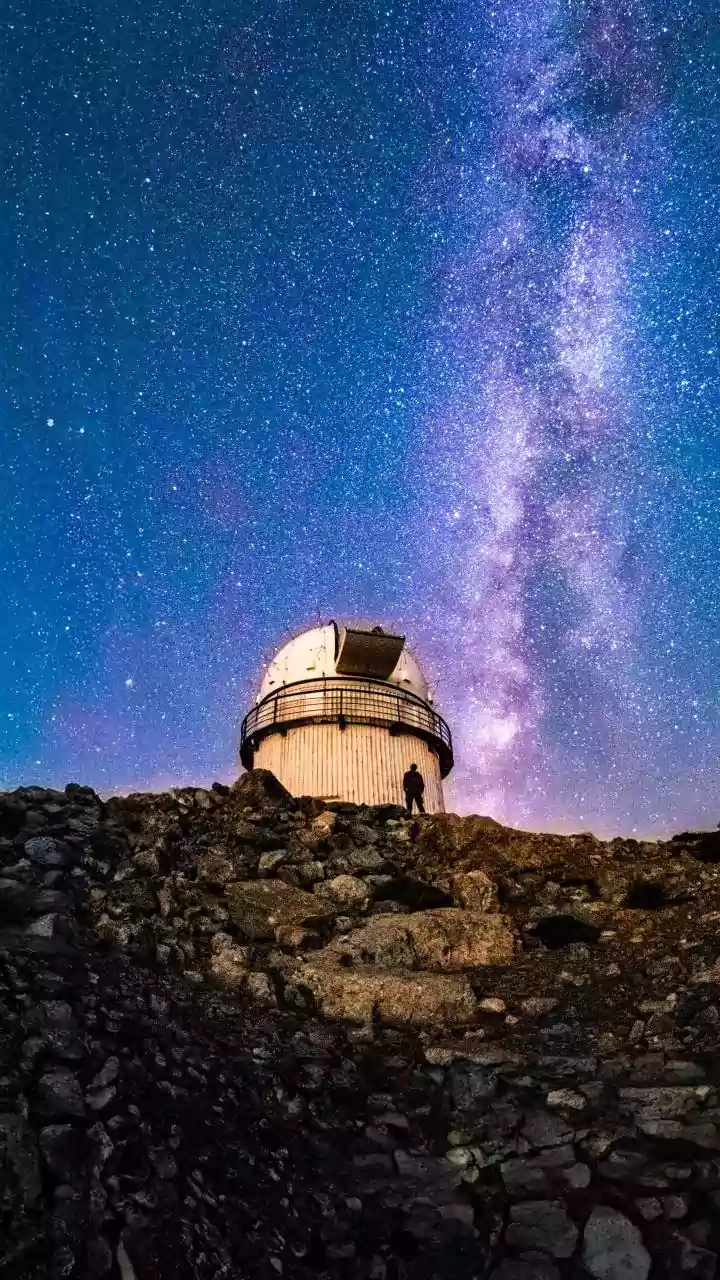
July 2026 is a fantastic month for sky-watchers who can catch a clear patch of sky. Several bright planets and celestial events are on display. In the early morning hours of July 7 and 8, the Moon will appear close to Saturn. On July 11, a crescent moon will form a striking triangle with Mars and the Pleiades star cluster before sunrise. The New Moon on July 14 provides the darkest skies of the month, offering the best chance to glimpse the Milky Way, especially from areas with low light pollution. The month ends with a celestial double-feature on the nights of July 30 and 31: the peak of both the Southern Delta Aquariids and the Alpha Capricornids meteor showers. While the light from the nearly-full Buck Moon on July 29 might wash out fainter meteors, the Alpha Capricornids are known for producing bright fireballs.
Your Monsoon Stargazing Toolkit
Success during the monsoon requires a different strategy than in dry seasons. First, agility is key. Use weather radar and cloud cover apps to anticipate breaks in the rain. Apps like Stellarium or Google Sky Map can help you identify what you're seeing when you get a sudden clear view. Second, reconsider your equipment. High humidity is the enemy of complex telescopes. This is a perfect time for binocular astronomy. Binoculars are portable, easy to use, and less susceptible to fogging. They are powerful enough to reveal craters on the Moon, the moons of Jupiter, and the beauty of star clusters like the Pleiades. If you do use a telescope, a dew shield or even a simple hairdryer can help manage condensation. Finally, be patient. You might spend more time waiting than watching, but the views will be worth it.
Finding Your Patch of Sky
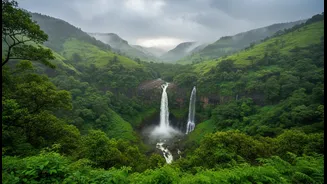
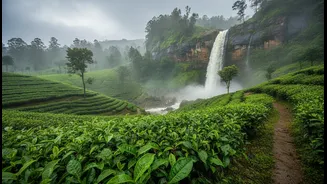
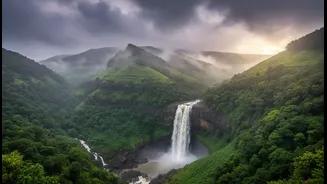
While rain-shadow regions like Spiti Valley offer consistently clearer skies during the monsoon, you don't need to travel that far. The goal is to find a spot with minimal light pollution that you can get to quickly when a weather window opens. This could be a local park, a rooftop, or a quiet spot on the edge of your town. Some regions, like Malshej Ghat in Maharashtra or parts of Coorg in Karnataka, are known for offering clear views after a fresh spell of rain. The key is to have a few potential locations scouted in advance. Elevation helps, as even a small increase can sometimes put you above the worst of the ground-level haze and humidity. The combination of escaping city lights and catching a post-rain sky can create a truly memorable experience.