





Fats 101: A Necessary Nutrient
Before we dive into the good, the bad, and the balanced, let's get one thing straight: your body needs fat. Dietary fats are essential for energy, they help you absorb certain vitamins (like A, D, E, and K), and they play a crucial role in building cell
membranes and producing important hormones. The conversation isn't about eliminating fat entirely, but rather about the type of fat you consume most often. Chemically, the difference comes down to their molecular structure, but for our plates, the difference is in how they affect our heart.
The Saturated Fat Story
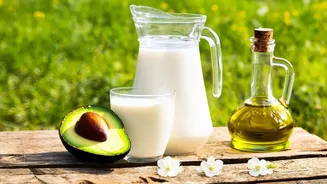
Saturated fats are the ones you’ve likely heard cautionary tales about. Found predominantly in animal-based products, they are typically solid at room temperature. Think of butter, the fat on a piece of steak, cheese, and full-fat dairy products. Tropical oils like coconut and palm oil are also high in saturated fats. Consuming a diet high in saturated fat can lead to an increase in low-density lipoprotein (LDL) cholesterol. This is often called 'bad' cholesterol because high levels can cause plaque to build up in your arteries, hardening them and increasing your risk for heart disease and stroke. The goal is not necessarily to banish these foods, but to consume them in moderation.
The Unsaturated Fat Advantage
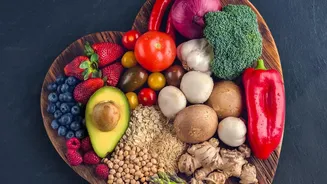
Unsaturated fats are the heroes of the heart health narrative. These are typically liquid at room temperature and are found mainly in plant-based foods and fatty fish. There are two main types: monounsaturated and polyunsaturated fats. These fats can help improve your cholesterol profile by lowering harmful LDL cholesterol and potentially increasing high-density lipoprotein (HDL), or 'good' cholesterol, which helps ferry LDL cholesterol away from the arteries. Research shows that replacing saturated fats with unsaturated ones, particularly monounsaturated fats, can have a positive impact on blood pressure.
Monounsaturated vs. Polyunsaturated
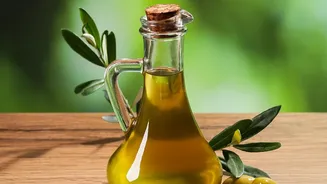
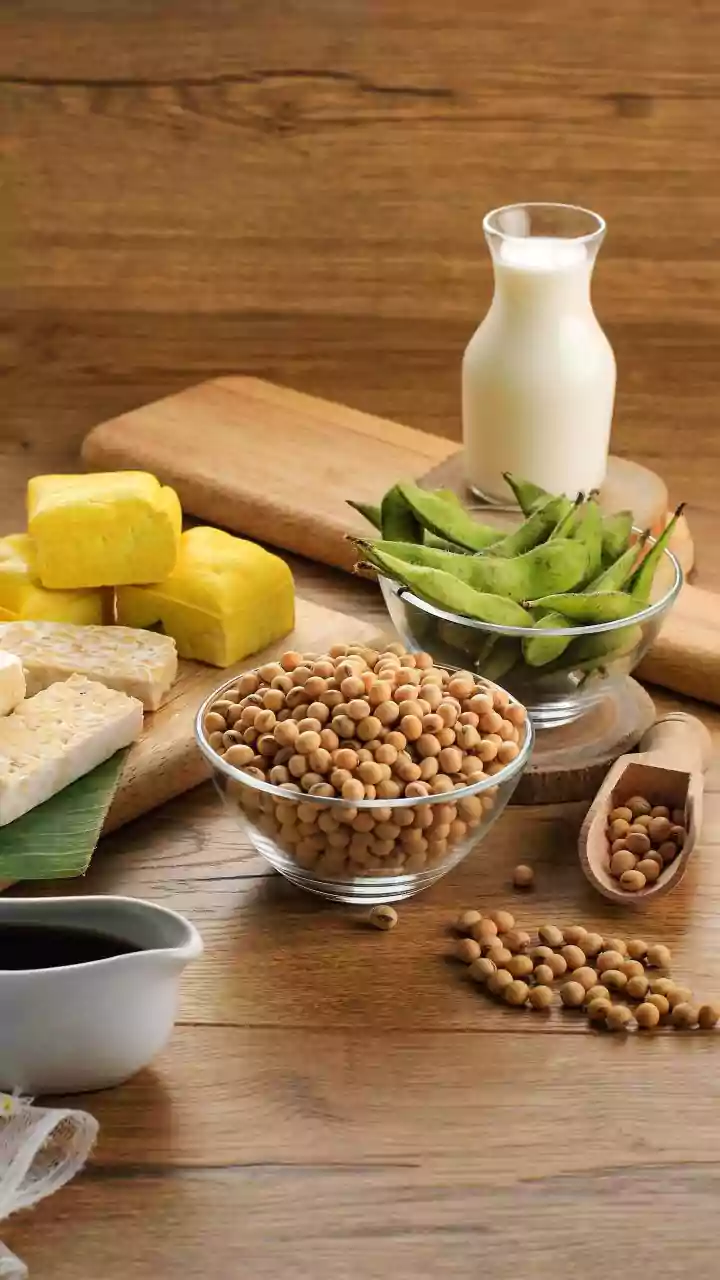
So what's the difference between the two 'good' fats? Monounsaturated fats are abundant in foods like olive oil, canola oil, peanut oil, avocados, and many nuts and seeds. They are a cornerstone of heart-healthy eating patterns like the Mediterranean diet. Polyunsaturated fats are also essential, and our bodies can't make them, so we must get them from food. They include omega-3 and omega-6 fatty acids. Excellent sources include fatty fish like salmon and mackerel, as well as flaxseeds, walnuts, and sunflower or soybean oils. Both types offer distinct benefits, so including a variety of these foods in your diet is the best strategy.
Making Smart Swaps on Your Plate
Understanding the science is one thing, but applying it to your daily meals is what truly protects your heart. It's about making smart substitutions. Instead of cooking with butter, try using olive oil. Rather than a creamy, cheese-based dressing on your salad, opt for a vinaigrette. Choose lean cuts of meat and incorporate more fish into your weekly routine. Snacking on a handful of walnuts or almonds is a better choice than reaching for processed pastries. When you're grocery shopping, read the nutrition labels. Pay attention to the line for 'saturated fat' and aim to choose products where that number is lower. It's these small, consistent choices that add up to a significant, positive impact on your cardiovascular function over time.