



Applying Heavy, Oil-Based Foundation
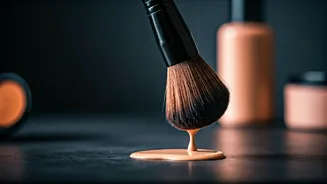
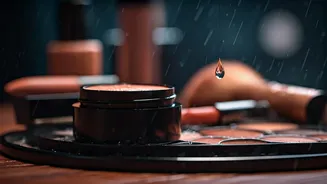
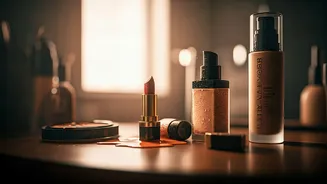
One of the most common instincts is to apply a thick layer of foundation for coverage, but this is a major misstep in humidity. Heavy, oil-based formulas are your makeup's worst enemy when moisture is in the air. They tend to feel greasy, clog pores,
and are prone to separating or sliding right off your face as your skin produces more oil to cope with the environment. Instead of creating a mask, the 'less is more' approach is your best friend. Opt for lightweight, water-resistant foundations, BB creams, or even just a tinted moisturiser. These products provide enough coverage to even out your skin tone but allow your skin to breathe, significantly reducing the risk of a makeup meltdown.
Skipping Primer, Your Makeup's Best Friend
Thinking of primer as just another unnecessary layer is a habit that fails spectacularly in the monsoon or summer heat. Primer is the single most important barrier between your skin and your makeup. A good, mattifying primer creates a smooth, even canvas, minimises the appearance of pores, and gives your foundation something to grip onto. In high humidity, it acts as a crucial defence, controlling shine and preventing your base from fading or becoming patchy as the day wears on. Forgetting to prime is like building a house on an unstable foundation; it's destined to crumble.
Over-Applying Powder
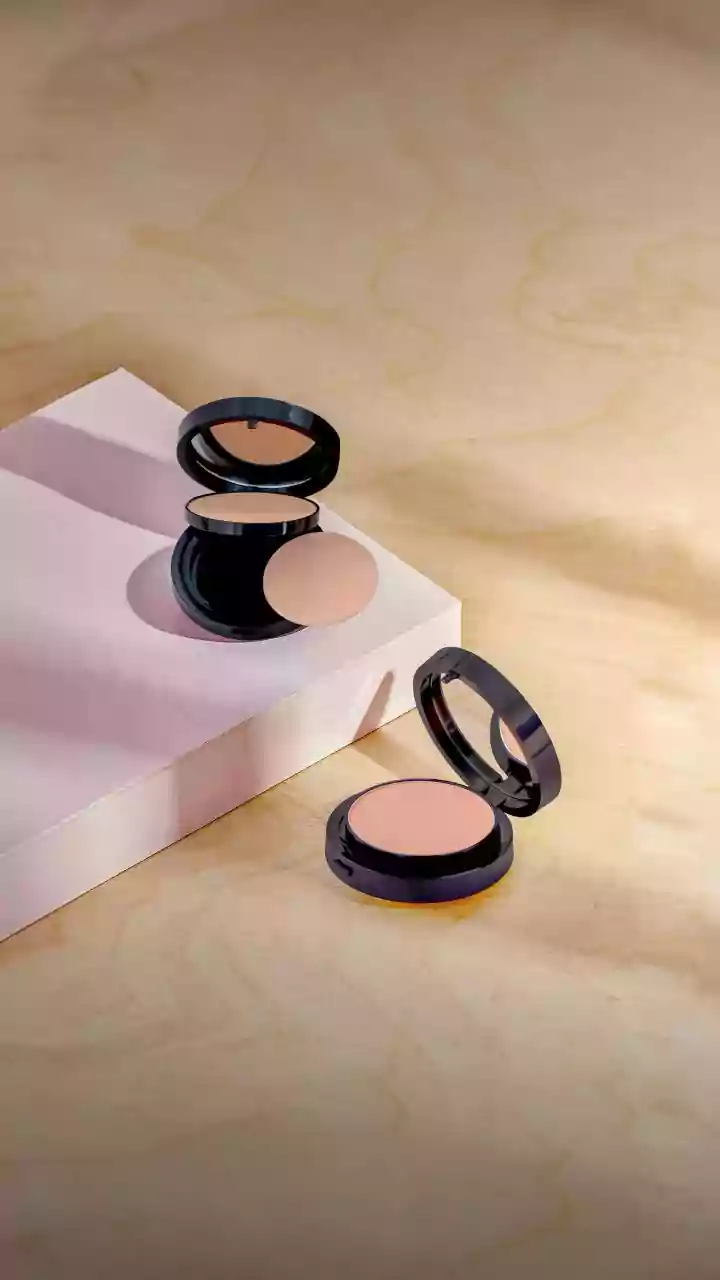
When your face feels shiny, the immediate reaction is to load up on powder. However, this can backfire badly in humid conditions. While a light dusting of translucent powder is helpful, applying too much can cause it to mix with sweat and oil, resulting in a cakey, textured appearance. Instead of packing on powder throughout the day, focus on a light application in your T-zone after applying foundation. For touch-ups, carry blotting papers. They are designed to absorb excess oil and sweat without disturbing the makeup underneath, keeping you looking fresh and matte, not flat and chalky.
Ignoring Waterproof Formulas
If your daily eyeliner and mascara aren't labelled 'waterproof' or 'water-resistant', you're setting yourself up for the dreaded 'raccoon eyes'. Humidity alone is enough to soften the waxes in regular mascara and eyeliner, causing them to smudge and transfer. This is one of the easiest habits to fix. Switching to waterproof versions of your favourite eye products is non-negotiable for weather-proofing your look. The same logic applies to your lips; glossy or creamy lipsticks can bleed and feel sticky. A long-wearing liquid lipstick, a matte formula, or a lip stain will provide lasting colour without the mess.
Using the Wrong Blush and Highlighter
Cream-based blushes and highlighters can give a beautiful, dewy glow in dry weather, but they can be tricky in humidity if not chosen or set correctly. Many cream products can feel heavy and contribute to a greasy feeling, smudging easily. However, some modern cream-to-powder formulas or liquid tints are designed to melt into the skin and last for hours. If you prefer traditional powders, they are often a safer bet as they are more resistant to humidity. The key is to avoid overly shimmery products that can make you look oily rather than radiant. Opt for a matte blush and a subtle highlighter applied sparingly to the high points of your face.
Forgetting the Final, Crucial Step: Setting Spray
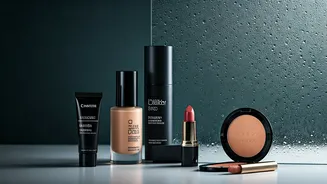
After perfecting your makeup, walking out the door without locking it in place is a recipe for disaster. A quality setting spray is the final seal that fuses all your makeup layers together and extends their wear time significantly. Look for a mattifying or long-lasting formula. A fine mist creates an invisible film over your makeup, helping it withstand sweat, oil, and humidity. Some artists even recommend spraying a little on your makeup sponge before blending foundation for extra staying power. This one simple step can be the difference between a flawless finish and a faded-out face by midday.