






The New Festive Timeline
The festive season in India, a marathon of celebrations from Ganesh Chaturthi to Diwali, is no longer a last-minute sprint. Recent consumer behaviour shows a significant shift towards early planning and purchasing. According to a 2026 report from Hansa
Research, 61% of shoppers now start their buying at least a week before a festival, with a notable 11% beginning one to two months in advance. This trend transforms the traditional festive rush into a longer, more considered journey. Consumer decisions are being made much earlier, with some categories entering consideration up to eight weeks before the festive peak. This elongated timeline reflects a fundamental change in how Indians are approaching the biggest spending season of the year.
Budgeting and The Smart Spender
One of the primary drivers behind this early start is simple financial prudence. Spreading purchases over several months allows households to manage their budgets more effectively and avoid the financial strain of a single, massive shopping spree. With retail inflation showing a tendency to rise, hitting a 19-month high of 4.45% in July 2026, consumers are more conscious of their spending power. Starting early allows them to hunt for the best deals, compare prices without pressure, and take advantage of pre-festive sales that e-commerce platforms now run as early as August. A significant 95% of consumers plan to spend more this festive season, with 67% planning to increase their budgets by 25% or more, making smart, staggered shopping a crucial strategy.
E-commerce as a Catalyst
Online retail platforms have played a huge role in pulling the festive season forward. Major players like Amazon and Flipkart are expected to launch their flagship events, the Great Indian Festival and Big Billion Days, in late September or early October. However, the sale season now effectively begins with Independence Day sales in August and continues through a series of smaller, category-specific events. This “always-on” approach to festive sales encourages continuous engagement and purchasing. With 63% of consumers incorporating online channels into their festive shopping, the digital marketplace has become central to this new, extended timeline. It offers convenience, endless choice, and, crucially, the early discounts that budget-conscious shoppers are seeking.
What’s in the 2026 Shopping Cart?
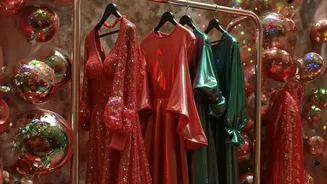
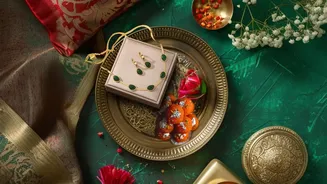
So, what are people buying? Apparel and fashion continue to lead the festive shopping list, with 69% of consumers planning purchases in this category. This is closely followed by home décor and furniture (51%) and electronics and gadgets (50%), as families look to upgrade their homes and lifestyles. Jewellery (35%) and sweets and snacks (43%) also remain important categories. There is also a growing trend towards “premiumisation,” where consumers are willing to spend more on higher-quality products, especially in urban areas. Interestingly, sustainability is becoming a key consideration, with 85% of shoppers reporting they consciously make eco-friendly choices, such as avoiding plastic decorations and shopping from local businesses.
Beyond Discounts: The Search for a Stress-Free Season
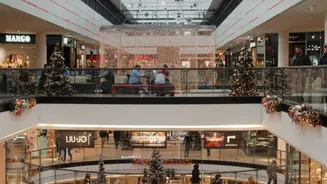
While financial planning is a major factor, the move towards early shopping is also driven by a desire for a more enjoyable and less stressful festive experience. By finalising purchases weeks in advance, consumers can avoid crowded markets, out-of-stock notices, and the anxiety of last-minute logistics. This allows them to focus on the cultural and family aspects of the celebrations. The trend also points to a more intentional consumer, as noted by Praveen Nijhara, CEO of Hansa Research, who describes the 2026 festive shopper as optimistic about spending but deliberate about how, where, and why they spend. This search for calm and control is reshaping the emotional landscape of India's biggest shopping season.