




Stuck indoors due to bad weather, a busy schedule, or just looking for a simple start to fitness? Indoor walking is a convenient, low-impact exercise that requires no equipment, making it one of the most accessible ways to stay active.
Why Walk Indoors?
The primary benefit
of indoor walking is its sheer convenience. It eliminates common barriers to exercise like poor weather, safety concerns, or the time it takes to get to a gym. It's a low-impact activity, meaning it's gentle on your joints, which is ideal for beginners or those with certain orthopaedic limitations. Despite its simplicity, your body benefits significantly. Walking in place gets your heart pumping, improving cardiovascular health and circulation. It also helps build strength in your leg muscles, improves balance, and can contribute to maintaining a healthy weight. Just a few short sessions throughout the day can add up, helping to reverse the effects of a sedentary lifestyle.
Getting Started: The Basics of Good Form
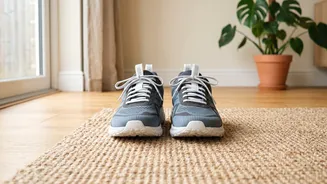
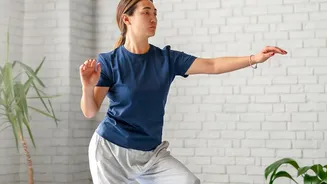
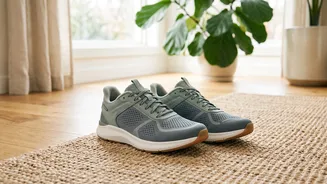
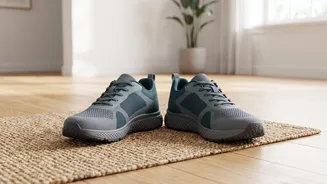
You don't need much to begin, but a few basics will ensure you get the most out of your walk. First, wear supportive shoes, even if you're on a soft surface. This helps prevent discomfort and potential injury. Find a small, clear space in your home where you can move freely. As you walk, focus on your posture. Stand tall, with your shoulders relaxed and back, and engage your core gently by pulling your belly button toward your spine. Let your arms swing naturally, opposite arm to opposite leg, to help with rhythm and balance. Land softly on your mid-foot rather than stomping. If you have balance concerns, you can start by holding onto a sturdy chair or wall for support.
Core Indoor Walking Movements
You can create a varied workout just by changing how you step. The foundation is marching in place. Start slow to warm up, then increase your pace. From there, you can introduce different movements. Try side steps by stepping your right foot to the side and bringing your left foot to meet it, then reversing. High knees, where you lift each knee toward your chest, increase intensity and engage your core. You can also try low-impact front kicks or backward walking in a clear path to challenge different muscles and improve coordination. Combining these movements keeps your workout from becoming monotonous and works your body in different planes of motion.
Structuring Your Indoor Walk
A structured session can make your indoor walk more effective. Aim for about 30 minutes of moderate activity on most days, but remember that even short 10-minute bursts are beneficial. Start each session with a 3- to 5-minute warm-up of slow marching to loosen up your joints. Then, move into your main workout. You can introduce intervals by alternating between one minute of brisk walking and one minute of slower recovery walking. This method is great for boosting stamina and calorie burn. Finish with a 3- to 5-minute cool down, gradually slowing your pace to bring your heart rate down.
How to Stay Motivated and Engaged
The biggest challenge with indoor walking can be boredom. The key is to find ways to distract and entertain yourself. Many people find walking while watching TV, listening to music, or catching up on a podcast makes the time fly by. Following along with guided indoor walking videos online can also provide structure and variety. To make it feel less like a chore, try 'exercise snacking' by fitting in short 5 - or 10 - minute walks between meetings or while doing household tasks like folding laundry. Setting small, achievable goals, like adding 500 steps or five minutes each week, can help you build consistency and see progress over time.