






An Unwritten Masterpiece
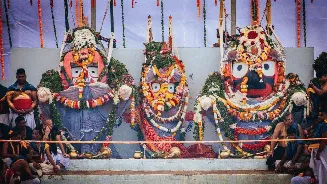
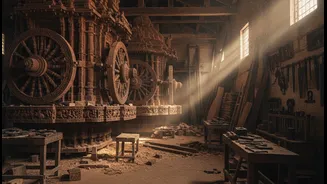
The construction of the three chariots for Lord Jagannath, his brother Balabhadra, and sister Subhadra is a testament to a living heritage. For 58 days, teams of hereditary artisans known as Biswakarmas—carpenters, blacksmiths, painters, and tailors—work
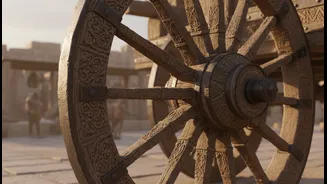
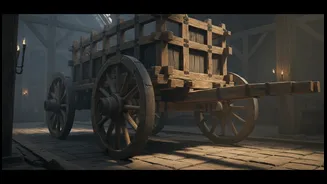
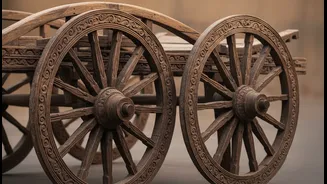
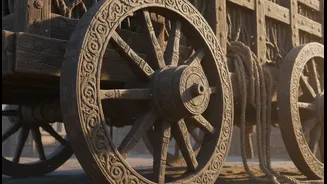
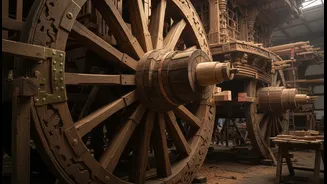
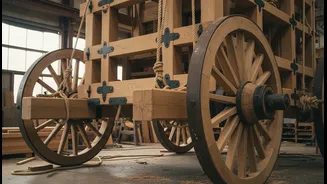
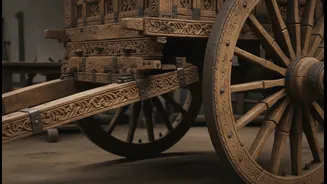
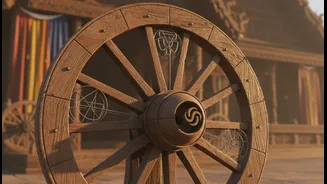
with meticulous devotion. They build these towering structures, some as high as 45 feet, without relying on a single written blueprint or modern architectural plan. The knowledge, from the specific dimensions of the 42 wheels to the intricate joinery techniques that use no iron nails, is passed down orally from one generation to the next. More than 4,000 pieces of specified wood like phassi and dhausa are used, all shaped and assembled using age-old methods to create the Nandighosha, Taladhwaja, and Darpadalana chariots that will carry the deities.
A Tradition Under Stress
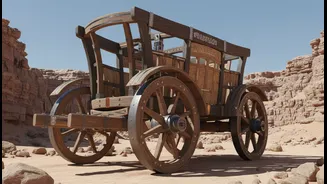
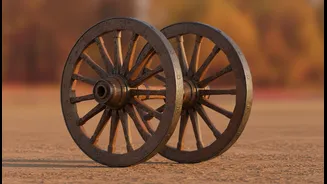
While the Puri tradition is iconic, similar Rath Yatras take place across Odisha, each with its own revered chariot. At the Baladevjew Temple in Kendrapara, home to the 67-foot-tall Brahma Taladhwaja chariot, a recent festival faced a serious challenge. During its procession, cracks developed in some of the chariot's wheels, causing the massive structure to tilt and delaying the sacred journey. The incident highlighted a growing concern: while the craft is timeless, the annual assembly, dismantling, and material pressures pose modern challenges to these magnificent structures. This unexpected problem prompted temple authorities to seek a novel solution, bridging the gap between ancient faith and contemporary science.
A Call to Modern Science
In response to the structural issues, the Baladevjew Temple administration turned to the Indian Institute of Technology (IIT) Bhubaneswar for technical expertise. A team led by Dr. Manas Ranjan Pattnayak from the School of Mechanical Sciences was tasked with a comprehensive study. Their mission was not to replace the traditional methods but to understand and preserve them. For the first time, one of Odisha's finest examples of living cultural heritage was to be documented and analysed using modern engineering tools. The study aimed to uncover the inherent structural wisdom of the design while identifying weaknesses that could compromise its safety and longevity.
Decoding Ancient Engineering
The IIT Bhubaneswar team conducted a detailed engineering assessment, concluding that the chariot's instability resulted from a combination of factors. These included the geometry of the road, braking efficiency, and the precise techniques used in assembly. Their recommendations were a blend of traditional respect and modern precision. For the short term, they suggested improved braking methods using sandbags and wooden stoppers. For the long term, they proposed a more comprehensive conservation strategy, including precision machining of wheel hubs and axles, reinforcing key structural joints, and creating a complete digital documentation of the chariot. This digital blueprint would serve as an invaluable archive, preserving the artisans' undocumented knowledge for posterity.
The Future of Sacred Craft
The collaboration in Kendrapara signifies a respectful partnership between faith and science. The temple administration has already implemented several of the IIT's suggestions, modifying the chariot's design and upgrading the road to ensure a safer procession. This initiative is not an isolated case. In Dhanbad, students from IIT-ISM designed a hydraulic system for a local Rath Yatra chariot to help it navigate overhead wires, another instance of technology serving tradition. These projects demonstrate that modern curiosity is not a threat to ancient craft but a powerful ally. By using engineering to document, analyse, and reinforce these structures, there is a growing effort to ensure that the sacred wheels of the Rath Yatra continue to roll on safely for centuries to come.