
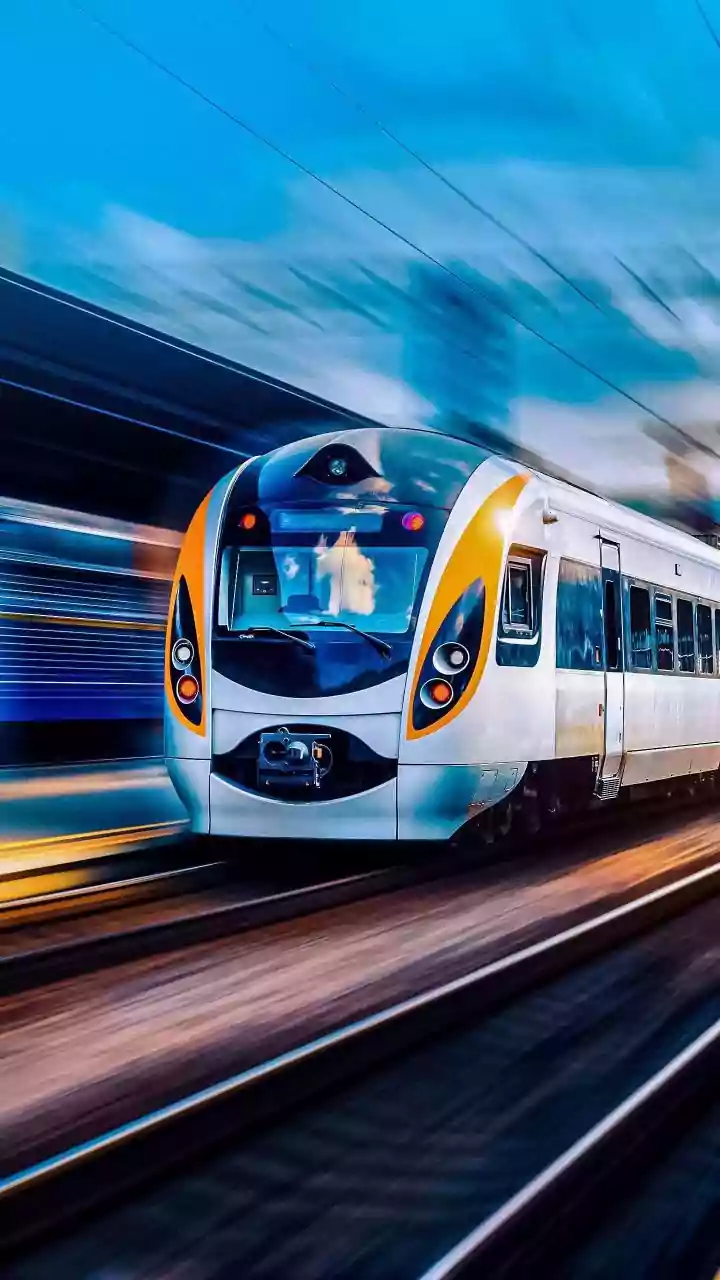


IRCTC is revamping its onboard catering with a new trial on three Vande Bharat Express trains. This experiment focuses on a more curated and compact menu, aiming to elevate the travel experience with better quality and more popular food choices.
Which Trains Are Part of the Trial?
The new
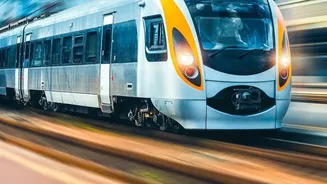
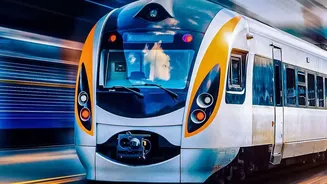
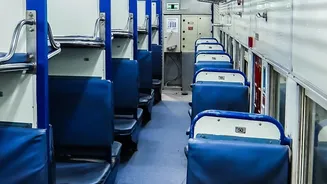
catering pilot project was launched on November 1, 2026, on three key Vande Bharat sleeper routes. These routes are the Mumbai-Bengaluru, Howrah-Kamakhya (in Guwahati), and New Delhi-Varanasi Junction services. The Indian Railway Catering and Tourism Corporation (IRCTC) initiated this 'proof of concept' to address frequent passenger complaints about food quality and hygiene on long-distance premium trains. By starting with these specific sleeper services, IRCTC aims to gather valuable feedback before considering a wider rollout across its network.
A 'Less is More' Approach to the Menu
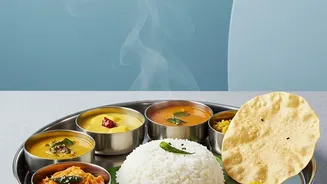
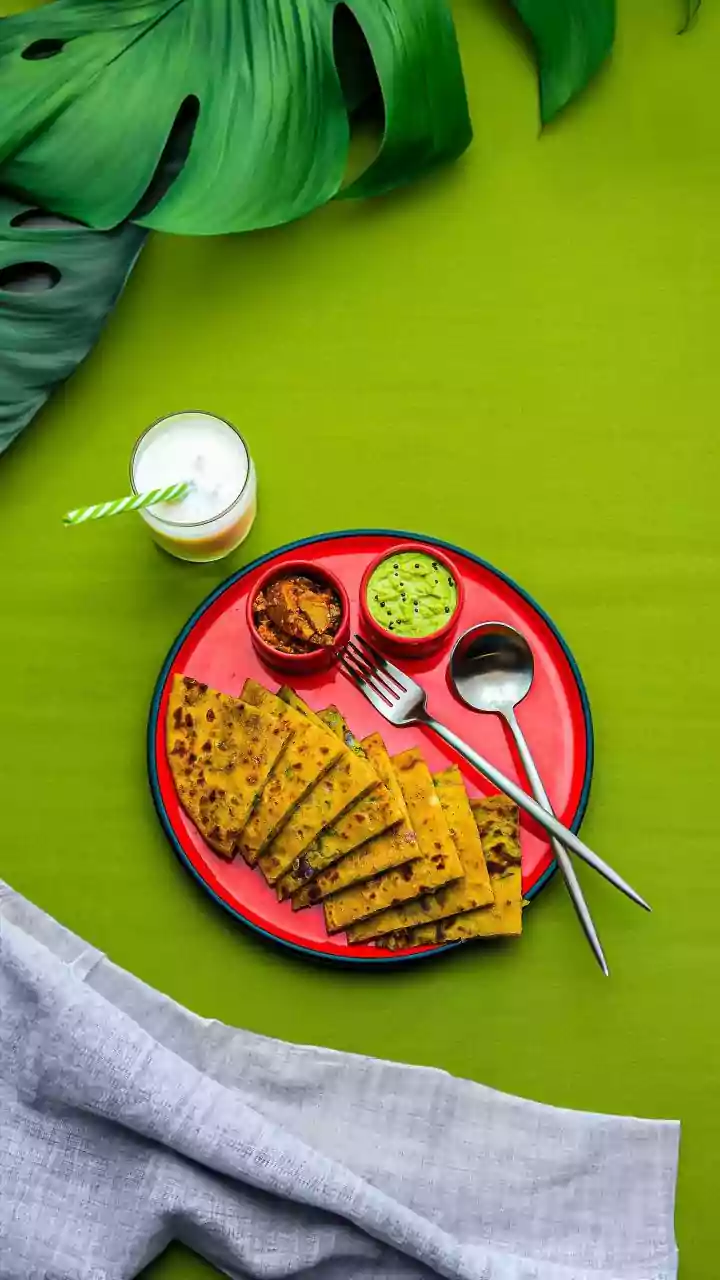
The core of the trial is a significantly trimmed menu, shifting from a spread of 8-10 items per meal to a more focused selection of four. For breakfast, passengers can now choose from options like idli and vada with sambhar and chutney, poha, or upma. Items such as soup, egg omelettes, sandwiches, buttermilk, and chocolates have been removed from the breakfast platter. Similarly, the lunch and dinner menu has been simplified to include chapati, rice, dal, and a single main dish, with a choice between a vegetarian or chicken option. Accompaniments like dry vegetables, curd, salad, pickles, and sweets are no longer part of the standard meal.
Quality Over Quantity: The Rationale
The decision to shrink the menu is a strategic one, aimed squarely at improving quality control, hygiene, and consistency. Railway officials explained that managing a large variety of dishes in bulk can compromise quality. A more compact menu, similar to those offered on airlines, allows catering partners to better monitor each dish and maintain higher standards from kitchen to passenger. The move is a direct response to passenger feedback and a desire to create a more satisfying and reliable dining experience. As part of this quality push, IRCTC has also reduced the overall weight of a meal from around 700-750 grams to approximately 450-500 grams.
New Partners and a Focus on Regional Flavours
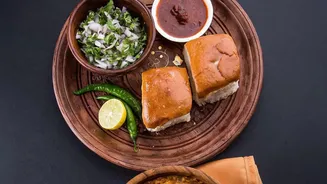
To execute this trial, IRCTC has moved away from traditional railway vendors and partnered with established names in the hospitality and food service industry. The meals are being prepared and supplied by major cloud kitchens and flight caterers. For instance, the Mayfair Group is handling the Kamakhya line, TajSATS is catering from Howrah, and the Sarovar Portico Group is responsible for the other two routes. This de-linking of meal production from service is intended to bring restaurant-quality food to train travel. Furthermore, IRCTC is looking to incorporate more regional dishes. There are plans to add Maharashtrian specialties like puran poli and zunka bhakar to the Mumbai-Bengaluru route's menu, pending final approvals.
What This Means for Future Journeys
The success of this pilot project will be determined by passenger feedback. IRCTC is closely evaluating customer responses to the new, streamlined menu. Positive feedback could lead to this compact, quality-focused model being extended to other premium trains across the Indian Railways network. While some passengers have noted the reduction in meal weight, the initial response has been positive, with IRCTC's West Zone reporting a 10% drop in catering-related complaints between October and mid-November 2026 compared to the previous year. This trial represents a significant step in an ongoing effort to modernise and improve the entire Vande Bharat experience, ensuring the food is as impressive as the train's speed and comfort.