





The Engine of Change: Why Redevelopment Is Booming
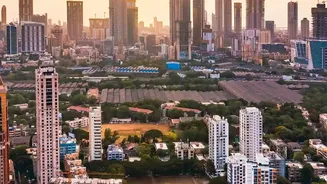
In a city with an absolute scarcity of vacant land, building anew often means building again. Mumbai's housing supply is now primarily driven by redevelopment, a process of demolishing old structures to construct modern, taller buildings. This trend is fueled
by two main factors: necessity and policy. Thousands of ageing and dilapidated buildings, including around 13,500 cessed properties, are in urgent need of replacement for safety reasons. Simultaneously, government policies have made redevelopment more viable for developers, who create new flats for existing residents and sell the additional inventory to new buyers. This has transformed redevelopment from a niche opportunity into what experts call an "urban survival imperative" for the city.
A New Kind of Supply
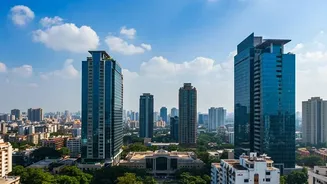
Redevelopment is fundamentally changing what kind of homes are available. Since 2020, over 1,000 redevelopment projects have been launched, now accounting for 15% of total housing sales in the city between 2025 and the first half of 2026. This is a significant jump from just 6% between 2016 and 2021. For buyers, this means gaining access to brand-new constructions in well-established, centrally located neighbourhoods like Andheri, Goregaon, and Bandra, which were previously saturated. Instead of waiting years for infrastructure to develop in peripheral areas, buyers can purchase a modern home with amenities like gyms, better security, and green spaces in a familiar locality.
The Impact on Affordability and Choice
While redevelopment increases the overall housing stock, it doesn't automatically translate to lower prices. In fact, capital values in key redevelopment corridors have appreciated by 20-30% in recent years. The market is also seeing a distinct shift towards premiumisation. Developers, facing high costs, are increasingly building larger, more luxurious apartments. This focus on mid-premium and luxury housing has reduced the share of affordable homes in new launches. So while there may be more choices in established locations, they often come with a higher price tag, catering to buyers who prioritize lifestyle and are willing to pay for it.
The Pros for a Homebuyer
For those who can afford it, buying into a redeveloped property offers clear advantages. The most significant is location. You get a new home in a mature neighbourhood with established schools, hospitals, and transport links. These buildings are constructed to modern safety and design standards, featuring earthquake-resistant structures and better amenities. This often means lower maintenance costs for the initial years. Furthermore, a new property in a prime location is a strong investment, with potential for higher appreciation and rental yields compared to older buildings or homes in emerging suburbs.
Buyer Beware: The Risks Involved
The promise of redevelopment can also be a trap. The biggest risk is project delays or stalls. A project can get stuck for years due to disputes, financing issues, or approval tangles, leaving buyers in limbo. Not all developers have the experience or financial stability to handle the complexities of redevelopment. Therefore, buying into a project based on a vague promise of "redevelopment is coming soon" is a gamble. Buyers must also be wary of illegal construction and ensure all plans are properly sanctioned. It is crucial to remember that a developer's pitch is not a guarantee of completion or quality.
Your Due Diligence Checklist
To navigate this market safely, rigorous due diligence is non-negotiable. First, verify the developer's track record, specifically their history of completing other redevelopment projects. Ensure the project is registered under the Real Estate (Regulation and Development) Act (RERA), and check the portal for project details and timelines. Before paying anything, insist on seeing all legal documents, including the sanctioned plans, commencement certificate, and the registered development agreement between the society and the developer. Finally, understand the payment plan and ensure it is linked to construction milestones.