





The Allure of the Single-Serve Sprout
Social media is full of charming tips for reducing kitchen waste. You've seen them: a celery base regrowing in a saucer of water, lemon peels infusing vinegar for a DIY cleaner, or a lone avocado pit suspended in a jar. These are not bad ideas. They are entry
points, small acts that make us feel resourceful and green. They turn waste into something tangible and, often, beautiful. However, they can also create the illusion of impact. Regrowing one head of lettuce from a stump is a fun experiment, but it doesn't fundamentally change the volume of organic waste your household produces. It’s a ‘craft moment’—a one-off project that is satisfying but ultimately limited in scope.
From Craft Project to Daily Process
The real victory in kitchen sustainability isn't rescuing a single vegetable scrap; it's systematically diverting kilograms of organic waste from landfills week after week. In India, household food waste is a staggering problem, with the average home discarding around 55 kg of food annually. When this organic matter rots in landfills, it releases methane, a potent greenhouse gas. To combat this, we must shift our thinking from individual 'projects' to ongoing 'processes.' This means embracing habits that require a bit more effort and consistency—a maintenance mindset. It's less about a single photogenic sprout and more about the unglamorous, repetitive work of true waste reduction.
Embrace the Compost Commitment
The most powerful maintenance-based practice for any kitchen is composting. In an Indian urban context, systems like tiered terracotta pots (khambas) or even simple buckets can transform daily kitchen scraps into nutrient-rich fertilizer. The process requires maintenance: you need to balance 'greens' (vegetable peels, fruit scraps) with 'browns' (dried leaves, shredded cardboard), turn the pile regularly to aerate it, and monitor moisture levels. If it smells, you might have too much wet waste; if it's not breaking down, it might be too dry. It’s a learning process. But the reward is immense: a dramatic reduction in your landfill contribution and a supply of what gardeners call 'black gold' for your plants.
The Power of Preserving and Pickling
Before refrigeration was common, Indian households were masters of preservation. These age-old techniques are powerful forms of upcycling. Instead of letting a large batch of tomatoes or a bundle of carrots slowly wilt in the fridge, they can be transformed. Making traditional achaars (pickles), chutneys, or jams extends the life of produce for months. This is not a quick craft. It requires knowledge of ingredients, sterilisation, and process. Fermenting vegetables, another traditional method, not only preserves them but also adds nutritional value. Reviving these skills is a direct way to honour the full value of our food and prevent it from becoming waste.
Beyond the Peel: Stocks and Infusions
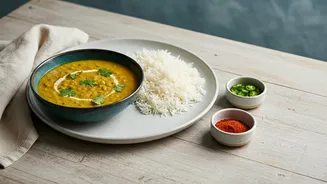
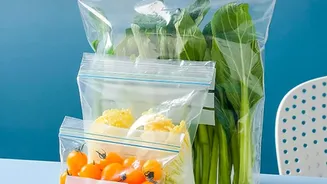
A simple, continuous habit is to keep a bag in your freezer for vegetable offcuts—onion skins, carrot peels, mushroom stems, and herb stalks. Once the bag is full, these scraps can be simmered in water to create a flavourful vegetable broth for use in soups, dals, and curries, extracting every last bit of nutrition and taste. This system costs nothing and turns what is typically thrown away into a valuable pantry staple. Similarly, instead of a one-time lemon cleaner, make it a habit. Keep a large jar of vinegar and continuously add citrus peels to it. Over a few weeks, this creates a steady supply of potent, natural cleaning solution. These are not projects with a start and end date; they are circular routines.