


The Ultimate Recycling Challenge
On Earth, a vast global ecosystem naturally replenishes our air. Plants and trees work constantly, absorbing the carbon dioxide (CO2) we exhale and producing the oxygen we need. In the sealed environment of a space station, there is no such luxury. Every
resource is precious, and launching heavy tanks of oxygen from Earth is expensive and unsustainable for long missions. This is where the Environmental Control and Life Support System, or ECLSS, comes in. It’s a sophisticated collection of machines designed to manage the atmosphere, control temperature, and recycle waste, creating a tiny, artificial version of Earth's life-sustaining cycles.
Step One: Scrubbing Out Carbon Dioxide
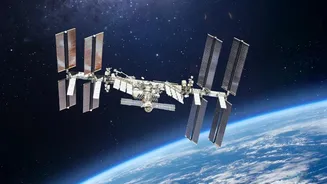
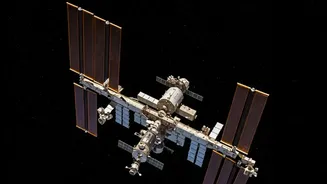
The first and most critical task is removing the CO2 produced by the crew's own breathing. If left unchecked, rising CO2 levels would quickly become toxic. The International Space Station (ISS) uses a system called the Carbon Dioxide Removal Assembly (CDRA). This machine pulls cabin air through beds of tiny, porous crystals called zeolites. These materials act like a molecular sieve; one type of zeolite absorbs water vapor from the air, and a second type specifically traps CO2 molecules. The now CO2-free air is returned to the cabin. The system is regenerative, meaning the zeolite beds can be heated to release the trapped CO2, which is then either vented into space or sent to another system for further recycling.
Step Two: Making New Oxygen from Water
With the harmful CO2 removed, the next step is to replenish the oxygen. The primary method for this on the ISS is electrolysis, a process that happens inside the Oxygen Generation System (OGS). This system takes water—reclaimed from sources like crew members’ breath, sweat, and even purified urine—and passes an electric current through it. The electricity, supplied by the station’s large solar arrays, splits the water molecules (H2O) into their component parts: breathable oxygen (O2) and hydrogen gas (H2). The oxygen is then circulated back into the cabin air, while the hydrogen is vented or used in other processes.
Closing the Loop with the Sabatier System
To make the process even more efficient, some systems take recycling a step further. The Sabatier system, for example, combines the waste CO2 captured by the CDRA with the waste hydrogen from the oxygen generator. This mixture is heated over a catalyst, creating two new products: water and methane. The water is a precious resource that can be looped right back into the Oxygen Generation System to create more breathable air. The methane gas is simply vented into space. This clever process recovers oxygen atoms from exhaled CO2 that would have otherwise been lost, significantly reducing the amount of water that needs to be sent up from Earth.
Is It Really Pure Air?
The term 'pure' isn't just a figure of speech. The air inside the ISS is arguably cleaner than what most people breathe on Earth. The ECLSS doesn't just manage oxygen and CO2; it also constantly filters the air to remove other contaminants. This includes dust, microorganisms, and volatile organic compounds (VOCs) that off-gas from equipment and the crew themselves. Highly sensitive monitors check the air quality in real-time to detect any harmful trace gases. While Earth's atmosphere contains a mix of pollen, pollution, and other particles, the station's air is a carefully controlled and scrubbed gas mixture, maintained at a pressure equivalent to sea level to ensure both crew comfort and equipment functionality.