






The Problem With a 'Perfect' Trip
Travel FOMO, or the Fear of Missing Out, is the anxiety that you’re not experiencing the best possible version of a trip. It’s a feeling amplified by social media, where feeds are flooded with seemingly flawless adventures and hidden gems discovered by others.
This can lead to a compulsive need to see and do everything, transforming vacations from a source of relaxation into a source of stress. Psychologists note this anxiety is often triggered by seeing peers have meaningful or momentous experiences, creating a vicious cycle of comparison and dissatisfaction. Instead of enjoying the moment, travellers find themselves worrying about the restaurant they didn’t book or the landmark they might not have time to see. This pressure often stems from a hustle culture that glorifies being busy, even on holiday.
Rethinking the 'Forecast'
The antidote to FOMO isn’t just about having a more positive attitude; it’s about better planning through forecasting. But this doesn’t just mean checking the weather. In modern travel, a 'forecast' refers to using data and predictive tools to make smarter decisions. This includes everything from fare predictors that tell you the best time to buy flights to crowd-sourced data that estimates wait times at popular attractions. By 2026, artificial intelligence is already reshaping how people plan travel, with AI-powered platforms generating entire itineraries based on budget, style, and interests. These tools analyze vast amounts of data on travel costs, local events, and even historical demand to help you build a more realistic and enjoyable trip.
Tools for the Modern Traveller
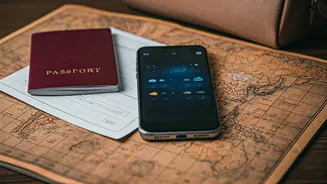
A new generation of apps and platforms is designed to empower this data-driven approach. Tools like Hopper use historical data to predict when flight and hotel prices will be at their lowest. Itinerary planners like Wanderlog and TripIt help organize bookings and create efficient routes, often on a collaborative map so you can see how your day will flow. Some AI tools can even generate custom packing lists based on your destination and planned activities. The goal of these technologies is not to eliminate spontaneity but to handle the logistical heavy lifting, freeing you up to make informed choices. By forecasting everything from costs to crowds, you can design a trip that aligns with what you truly want, not what you feel pressured to do.
Embracing the Joy of Missing Out (JOMO)
Ultimately, a well-forecasted trip allows you to embrace JOMO: the Joy of Missing Out. This mindset shifts the focus from quantity to quality. Instead of a frantic race to check off a list, travel becomes more mindful and immersive—a concept known as 'slow travel'. Slow travel encourages staying in one place longer, connecting with local culture, and allowing for spontaneity without the anxiety of a packed schedule. It’s about accepting that you can't do it all and instead finding deep satisfaction in the experiences you choose. By letting go of the need to see everything, you give yourself permission to truly enjoy where you are, leading to a more restful and memorable journey.