






The Coastal Kitchen Staple
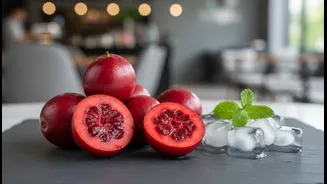
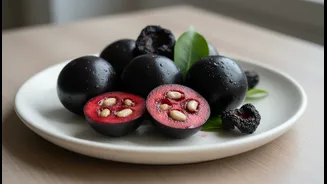
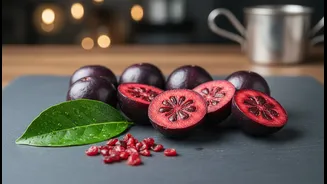
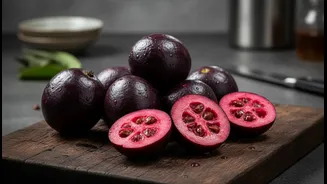
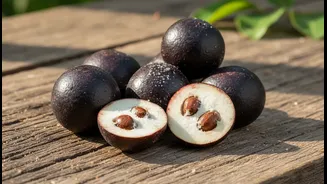
Known scientifically as Garcinia indica, kokum is a small, purple-red fruit native to the Western Ghats. For centuries, it has been a cornerstone of Konkan, Goan, and Maharashtrian cuisines. The rind of the fruit is typically dried, turning dark and brittle,
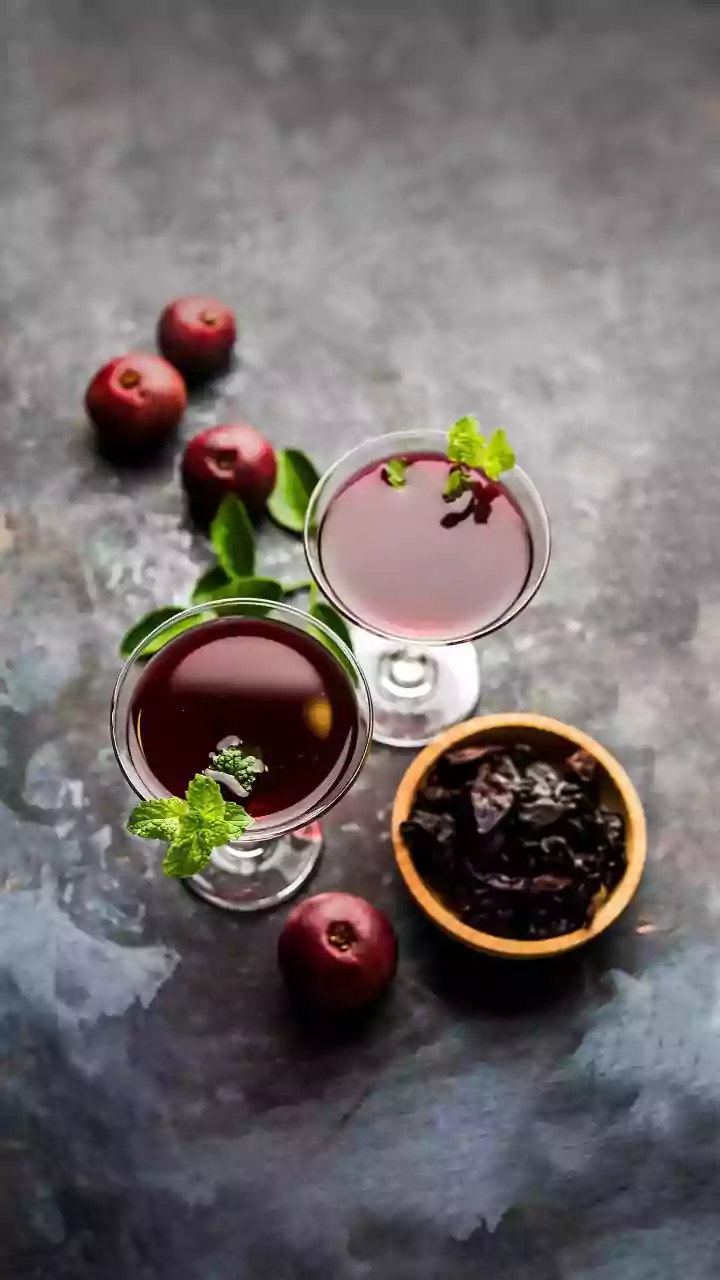
and used as a souring agent in everything from fish curries to dals. Its flavour is unique—a deep, fruity tartness that is less aggressive than tamarind and more complex than lime. Beyond the kitchen, it is the star of solkadhi, a soothing pink-hued digestive drink made with coconut milk, and refreshing sherbets that offer respite from the sweltering summer heat.
A Traditional Health Powerhouse
Kokum's value extends far beyond its taste. In Ayurveda, it is celebrated for its cooling properties, believed to balance the body's heat and pacify the 'pitta' dosha. This traditional wisdom is now backed by modern science. The fruit is a rich source of antioxidants and contains hydroxycitric acid (HCA), a compound that has been studied for its potential to aid in weight management by suppressing appetite. Its anti-inflammatory properties have made it a traditional remedy for digestive issues like acidity and indigestion, while its juice is a time-tested hydrator. These wellness benefits have made kokum a natural fit for today's health-conscious consumer, paving the way for its mainstream revival.
The Cafe Culture Reinvention
The real story of kokum's modern makeover is unfolding in India's bustling cafes and bars. Chefs and mixologists, in a collective turn towards championing indigenous ingredients, are discovering the fruit's incredible versatility. The classic kokum sherbet is being reimagined into sophisticated coolers and fizzes, often spiked with spices like cumin, black salt, and ginger. Its vibrant colour and clean acidity make it a perfect base for non-alcoholic cocktails, or 'mocktails'. You might find it in a Kokum Mojito, where it replaces lime, or blended with berries and chia seeds for a trendy refresher. Some innovative baristas are even using kokum syrup to flavour specialty coffee and cold brews, creating layered tonics where its tartness cuts through the bitterness of the beans.
More Than Just a Drink
The experimentation doesn't stop at beverages. Creative chefs are using kokum in ways that move it firmly beyond its traditional role. Kokum extract is being used to create tangy vinaigrettes for salads, glazes for meats, and even powdered seasonings for snacks like chicken wings. Confectioners have found that its sourness perfectly balances the sweetness in chocolates, gummies, and fruit jellies. This shift is driven by a growing curiosity among diners for regional Indian flavours presented in a contemporary context. For many younger consumers, the first taste of kokum might not be in a fish curry, but in a gourmet dessert or a craft cocktail, forging a new connection with this age-old ingredient.