

The Hidden Dangers in the Jar
A lovingly prepared pickle can unfortunately become a breeding ground for harmful bacteria if not made correctly. The main concern is Clostridium botulinum, a bacterium that produces a dangerous toxin causing botulism, a rare but severe form of food poisoning.
This bacterium thrives in low-oxygen, low-acid environments—precisely the conditions that can be created in an improperly sealed jar. Symptoms of botulism include general weakness, dizziness, difficulty swallowing, and can even lead to respiratory arrest. You often cannot see, smell, or taste the toxin, making it particularly dangerous. Other risks include yeasts and molds that can cause spoilage and illness if the conditions aren't right. Soft or slippery pickles are a sign that they are unsafe to eat.
Acidity and Salt: Your Best Friends
The key to safe pickling lies in creating an environment where harmful bacteria cannot survive. This is achieved through a combination of acid and salt. The level of acidity is critical for preventing the growth of Clostridium botulinum spores. This is why you must use tested recipes and never alter the proportions of vinegar, food, and water. Always use commercial vinegar with a stated acidity of at least 5%. Homemade vinegar has an unknown acidity level and should not be used for pickling. Similarly, use canning or pickling salt, which is pure and free from anti-caking agents that can make your brine cloudy.
Sterilisation Is Not Optional
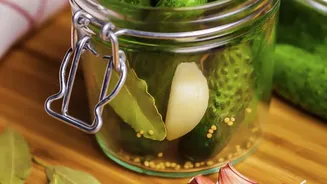
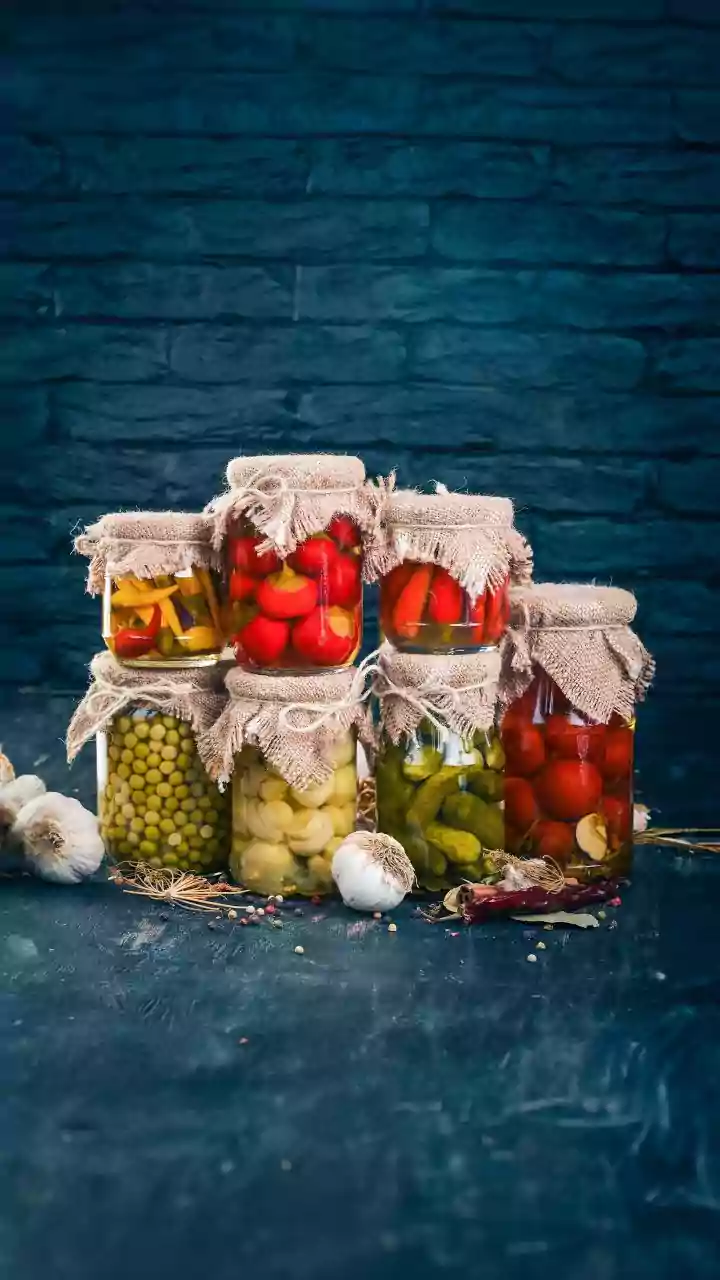
Even if you buy brand new jars, they are not sterile and can harbor dust or microorganisms. Proper sterilization of jars and lids is a non-negotiable step to ensure your pickles last and are safe. There are several methods. One common way is to wash jars and lids in hot, soapy water, then place the jars on a rack in a large pot of water. Fill the pot until the water is about an inch above the jars and bring it to a boil for at least 10 minutes. The boiling time needs to be adjusted for altitude, adding one minute for every additional 1,000 feet of elevation. Lids should be boiled for about five minutes. Taking this step ensures you are starting with a clean, safe vessel for your creation.
Follow a Tested Process
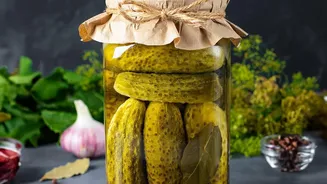
Grandma’s handwritten recipe might be full of love, but older canning methods can sometimes be risky. Food science has evolved, and it's safest to rely on up-to-date, research-based recipes from reliable sources like university extensions or the National Center for Home Food Preservation. When preparing your cucumbers, it's recommended to trim a thin slice off the blossom end, as it contains enzymes that can cause pickles to soften. Once your jars are filled with pickles and hot brine, leaving about a half-inch of headspace, they need to be processed in a boiling water bath canner to kill any remaining microorganisms and ensure a proper seal. The processing time will vary based on the recipe and your altitude.
The Final Checks: Sealing and Storing
After processing, let the jars cool undisturbed for 12 to 24 hours. As they cool, you should hear the satisfying 'pop' of the lids sealing. To check the seal, press on the center of the lid. If it is concave and doesn't move, the jar is properly sealed. If the lid flexes up and down, it has not sealed and the jar should be refrigerated and consumed quickly. Before gifting, wipe the jars clean and label them. It's a thoughtful touch to include the date it was made, the ingredients used, and a 'refrigerate after opening' instruction. This not only looks professional but is also a crucial piece of safety information for the recipient.