



Trading Crowds for Clouds
Let's be honest: peak-season Goa can feel like a relentless party you weren't entirely prepared for. The beaches are packed, the roads are jammed, and the search for a quiet moment can feel futile. The monsoon, which typically runs from June to September,
flips this script entirely. [15] As the tourist crowds thin out, Goa exhales. [16] The noisy water scooters are replaced by the rhythmic drumming of rain, and the frenetic energy gives way to a profound sense of peace. This isn't the Goa of December brochures; it's a version that feels more intimate and personal, where you can actually hear yourself think. Accommodation and flight prices drop significantly, making that luxury stay suddenly much more accessible. [10, 19] It’s a time when you can experience the state on your own terms, without fighting for space. [4]
A World Washed Anew in Green
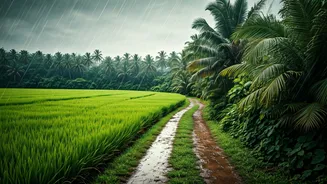
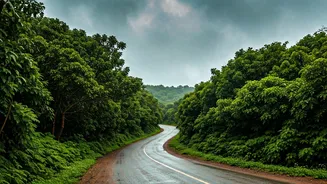
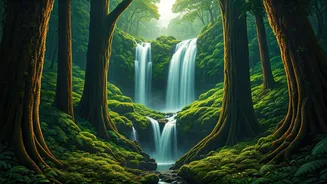
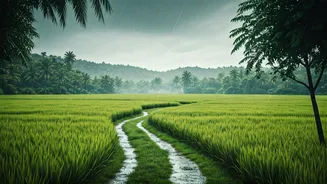
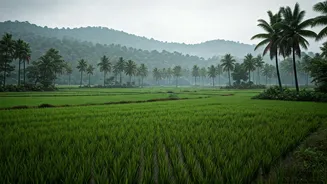
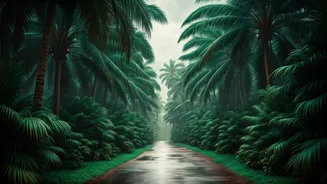
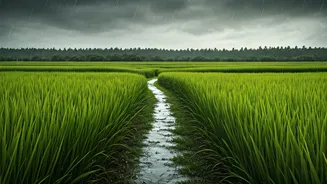
The most dramatic transformation during the monsoon is the landscape itself. The red earth and sun-bleached hillsides of summer disappear under a vibrant, emerald blanket. [8] The countryside, from the sprawling paddy fields to the dense forests of the Western Ghats, comes alive with a staggering intensity of green. [11] This is when the state’s waterfalls, dormant for months, roar back to life. The journey to the mighty Dudhsagar Falls, one of India's tallest, becomes a pilgrimage through mist and spray, while smaller, seasonal cascades appear in places like Tambdi Surla and Harvalem. [5, 11] Exploring the spice plantations near Ponda becomes a sensory delight as the air fills with the fragrance of cardamom, vanilla, and pepper, all awakened by the rain. [8, 13] This is Goa at its most lush and elemental.
The Inward Turn: Culture and Cuisine
While the monsoon discourages swimming in the rough seas, it encourages a different kind of exploration—one that turns inland towards Goa’s cultural heart. [2] The quieter roads are perfect for renting a scooter and getting lost in the charming, sleepy villages of Assagao or Divar Island. [5, 17] You can wander through the colourful Latin Quarter of Fontainhas in Panaji without the usual crowds, or seek refuge in a cozy riverside cafe with a hot chai and a book. [5, 9] The season is also marked by unique and vibrant local festivals. Celebrations like Sao Joao (June 24), where revellers leap into wells, and Bonderam on Divar Island, a colourful flag festival in August, offer a fascinating glimpse into local traditions that are largely untouched by commercial tourism. [6, 7, 12] The food scene also shifts, with a focus on fresh, seasonal ingredients and comforting Goan curries. [4]
A Different Kind of Beach Day
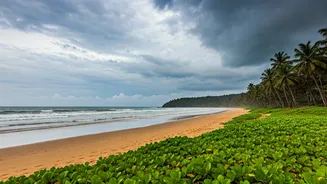
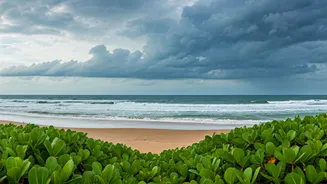
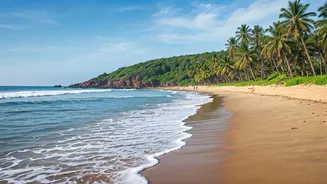
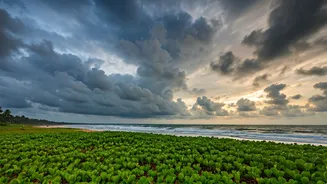
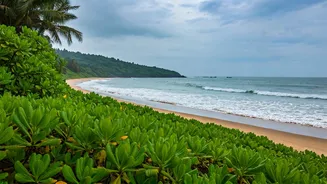
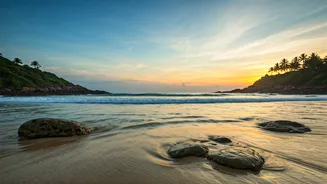
What about the beaches? It's true that many beach shacks are dismantled for the season and the sea is too turbulent for a swim. [3, 22] However, the beaches take on a different, more contemplative character. A walk along an empty stretch of sand in South Goa, like Arossim or Utorda, with dramatic grey clouds overhead and the wind whipping the palms, is a powerful and humbling experience. [8] It's a time for long walks, photography, and enjoying the raw, untamed beauty of the coastline without distraction. [4] While North Goa's hotspots like Baga and Calangute keep more establishments open, the overall pace is still significantly slower and more relaxed. [3]
Is It For Everyone?
A monsoon trip to Goa is not for everyone. If your holiday dream consists solely of sunbathing and swimming, you might be disappointed. [15] High humidity is a given, and you'll need to be prepared for rain showers that can alter plans at a moment's notice. [11] But for those willing to trade a tan for an experience, the rewards are immense. It's for the traveller who finds beauty in a mist-covered mountain, joy in a spontaneous downpour, and connection in a quieter, more authentic environment. It’s for nature lovers, photographers, and anyone seeking a romantic, peaceful escape. [9]