
A Landscape Reborn in Rain
While many destinations in Jharkhand are popular post-monsoon or in winter, Sevati Valley carves its own niche during the rains. Located about 50 kilometres from the Bokaro district headquarters in the Kasmar block, this valley sheds its quiet demeanour
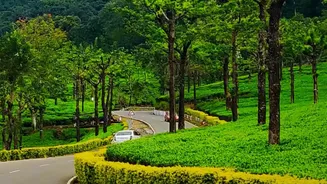
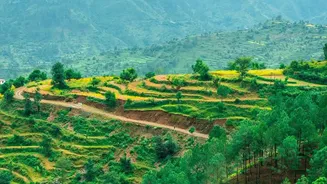
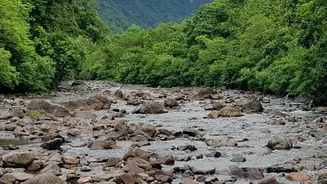
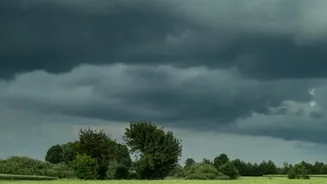
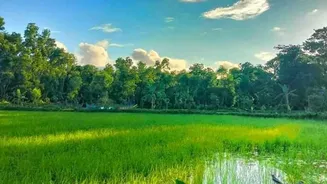
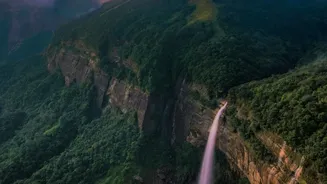
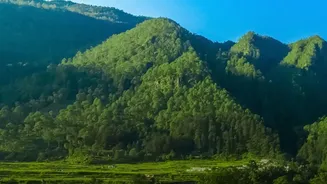
and comes alive with the arrival of clouds. The rolling hills, which lie dormant for much of the year, are suddenly draped in a vibrant, lush green. The air grows thick with mist, creating an ethereal atmosphere that feels worlds away from the industrial heart of Bokaro. This seasonal transformation is what makes a monsoon visit so unique; you are not just visiting a place but witnessing its dramatic rebirth.
The Allure of the Cascades
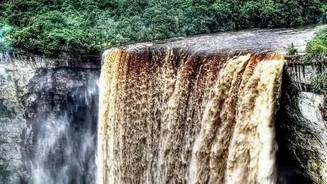
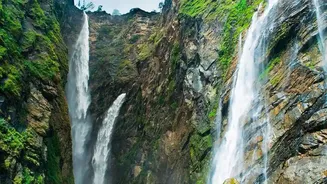
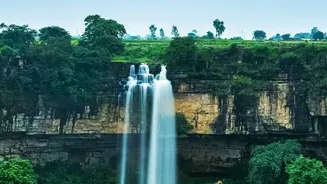
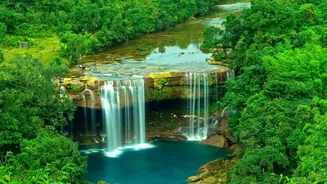
The primary draw of Sevati Valley during this season is undoubtedly its waterfalls. The persistent rains feed numerous streams that snake down the hillsides, converging into a powerful and picturesque main waterfall. This cascade, cutting through the dense foliage, becomes a stunning spectacle of white water against a backdrop of deep green. In recent weeks, travellers and locals alike have been flocking to the area, often pulling over on the road just to admire the view and capture photos of the powerful display. The sound of the gushing water, combined with the cool, moist air, creates a sensory experience that defines the region’s monsoon magic.
Beyond the Waterfalls
While the waterfalls are the main event, the journey is just as captivating. The drive to Sevati Valley, which straddles the border between Jharkhand and West Bengal, is a scenic experience in itself. The winding roads offer constantly changing vistas of cloud-covered hills and verdant landscapes. The area is also suitable for trekking, with the serene atmosphere and beautiful scenery making for a memorable journey on foot. For photographers, the valley is a paradise. The soft, diffused light created by the mist and clouds is perfect for capturing dramatic landscapes, from the grand sweep of the hills to the delicate details of rain-soaked flora.
Planning Your Monsoon Visit
Sevati Valley is most accessible by road from Bokaro Steel City. While some sources suggest October to March as the best time to visit for pleasant weather, the true spectacle of the waterfalls and mist is a monsoon phenomenon, from roughly July to September. If you plan to visit during this time, it's essential to be prepared. Wear sturdy, non-slip footwear, as paths near the waterfalls can be slippery and muddy. Carrying an umbrella or raincoat is a must. Since the area is relatively remote, it is also wise to bring your own water and snacks, as visitor amenities are limited. Locals have been advocating for improved infrastructure, including seating areas and sanitation facilities, but for now, the valley retains a raw, natural charm.
A Note on Safety
Monsoon travel requires a degree of caution. The roads leading to the valley have sharp turns and can be slippery when wet, so driving carefully is paramount. When exploring near the waterfalls, be mindful of the terrain and the force of the water, especially after heavy rainfall. Local villagers have pointed out that official signage can sometimes be confusing or absent, so it’s better to rely on common sense. They suggest that warnings about sharp turns, narrow roads, and slippery conditions near the falls are more relevant than warnings about deep water. Always check the weather forecast before you leave and visit during daylight hours to make the most of your trip safely.