






The Cost Factor: Predictability vs. Price Surges
The most significant factor for many is the cost. Train fares are government-regulated and largely stable. Whether you book a 3AC or a Sleeper class ticket 120 days in advance or get a last-minute Tatkal seat, the price remains within a predictable range.
In contrast, airlines use dynamic pricing, which means fares for Diwali can skyrocket. A flight that costs ₹5,000 on a normal day can easily surge to ₹15,000 or even ₹20,000 as the festival nears. Reports show some domestic routes becoming more expensive than international destinations like Bangkok or Singapore during the festive peak. If your budget is tight and you can plan well ahead, the train is almost always the more economical choice. A flight might only be cheaper if booked months in advance on less popular travel days.
The Race Against Time: Door-to-Door Journey
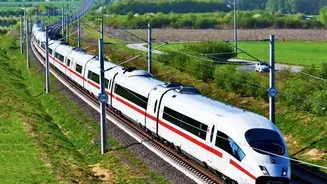
On paper, a flight is faster. A journey of 24 hours by train can be covered in just two hours by plane. However, this doesn't account for the total 'door-to-door' time. Air travel involves getting to the airport (often located far outside the city), arriving two to three hours early for check-in and security during the festive rush, the flight itself, and then waiting for baggage and travelling from the destination airport into the city. A two-hour flight can easily become a six-to-seven-hour ordeal. Train stations are typically located in the city centre, making them more accessible. For journeys under 800-1,000 kilometres, an overnight train can be more time-efficient, as you travel while you sleep and wake up at your destination.
Booking a Seat: The Great Indian Scramble
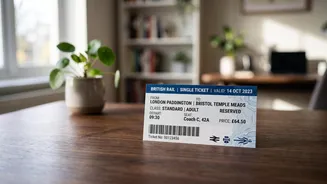
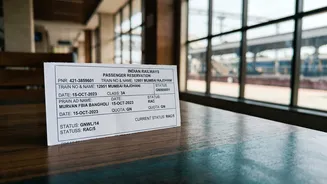
Securing a ticket is a challenge for both modes of transport during Diwali. Train bookings on the IRCTC website open 120 days in advance, and for popular routes, tickets in all classes are often gone within minutes. This requires precise planning. The Tatkal quota, which opens one day before departure, offers a slim chance for last-minute travellers but is intensely competitive. Flight booking is much easier in terms of process, but it comes at a steep financial cost for those who don't book early. To manage the immense demand, Indian Railways announces hundreds of 'Special Trains' for the festive season, providing much-needed extra capacity on busy routes connecting major cities with states like Uttar Pradesh and Bihar. While these also fill up fast, they represent a significant effort to accommodate the festive rush.
Baggage and Belongings: The Freedom of the Train
This is where trains have a clear and significant advantage. Diwali travel often means carrying home gifts, sweets, and extra luggage. Most domestic airlines allow only 15 kg of checked-in baggage and 7 kg of cabin luggage for economy fares. Anything more incurs hefty excess baggage fees, which can add a substantial amount to your total travel cost. Indian Railways, however, is far more generous. Depending on the class of travel, the free allowance ranges from 40 kg in Sleeper Class to 70 kg in AC First Class. This allows you to carry everything you need without worrying about extra charges, making the train a much more practical option for those travelling with heavy bags.
The Journey Itself: Comfort and Experience
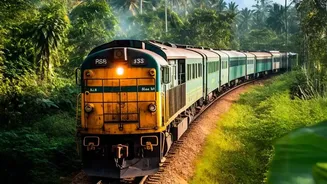
The travel experience differs greatly. A flight offers a quick and sterile journey. You are confined to your seat with limited movement. Airports during Diwali can be chaotic and stressful, with long queues and crowded terminals. A train journey, on the other hand, is a more relaxed and social experience. You have space to stretch, walk around, and enjoy the scenery. For families with children or elderly members, the ability to move freely and the option of booking a four-person coupe in an AC coach can provide greater comfort. An overnight train journey can feel like part of the holiday itself, a gradual transition from the hustle of the city to the warmth of home, complete with conversations with fellow travellers and a steady supply of chai.