





The Daily Reality of a Mumbai Commute
Anyone who has travelled on Mumbai's suburban railway network during peak hours understands the term 'super-dense crush load'. With more than 7.5 million people using the service daily, the system is one of the busiest in the world. Trains designed to
carry around 1,700 passengers often hold more than double that number, leading to stressful and unsafe travel conditions. This immense pressure not only affects commuters' quality of life but also puts a severe strain on the railway infrastructure itself, making it difficult to increase the frequency of services or maintain punctuality.
A Network Shared by Passengers and Freight
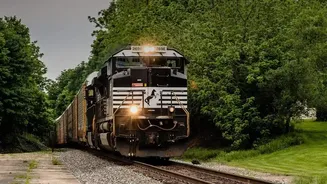
A core reason for this congestion is that Mumbai's local trains have historically shared tracks with long-distance passenger trains and, crucially, goods-carrying freight trains. The line capacity utilisation on these shared trunk routes often exceeds 115%, leading to inevitable delays and operational conflicts. Freight trains, which are slower and heavier, often occupy tracks for extended periods, forcing local services to be delayed or cancelled. This operational bottleneck has made it nearly impossible for railway authorities to add a significant number of new suburban services, as the physical track space is simply not available.
Enter the Dedicated Freight Corridor
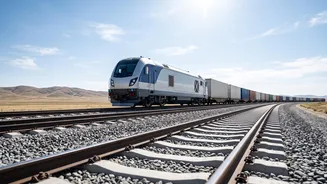
The game-changer in this scenario is the Western Dedicated Freight Corridor (WDFC). Inaugurated in September 2026, the WDFC is a 1,506-kilometre, double-line electrified railway track built exclusively for transporting goods. It stretches from Dadri, near Delhi, to the Jawaharlal Nehru Port (JNPT) in Navi Mumbai. This 'freight highway' is designed to handle heavy, double-stack container trains at higher speeds, a significant upgrade from the congested mixed-traffic lines. The core idea is simple but revolutionary: completely separate freight traffic from passenger traffic.
How Freight's New Path Frees Up Yours
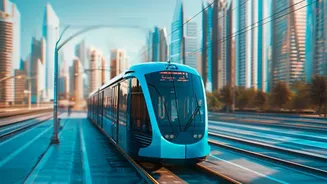
By shifting the bulk of goods trains from the conventional railway lines to the WDFC, a tremendous amount of capacity is freed up on the tracks used by Mumbai's local services. With freight trains no longer competing for slots, Indian Railways can focus on optimising the suburban network. The direct impact for commuters is twofold. First, it allows for an increase in the number of local train services. Railway officials have stated that decongesting the network is a key step towards running more services. Second, it dramatically improves punctuality. Without slower freight trains causing delays, suburban services can run more reliably and stick to their schedules. This newly available capacity is critical for plans to introduce hundreds of new AC local trains and run more 15-car services, which can carry 25% more passengers per trip.
The Road Ahead: A Gradual Transformation
While the completion of the WDFC is a landmark achievement, commuters shouldn't expect an overnight miracle. The benefits will materialise gradually as freight operators fully transition to the new corridor and the railways begin the complex process of rescheduling and introducing new suburban services. Railway Minister Ashwini Vaishnaw has indicated a long-term plan to increase daily suburban services in Mumbai from around 3,200 to 3,500 by 2030, supported by the introduction of 238 new AC local rakes starting in 2027. The DFC is not just a track; it's the foundational enabler of this future expansion. It unlocks the potential for a more modern, less congested, and more humane commuting experience for Mumbaikars in the years to come.