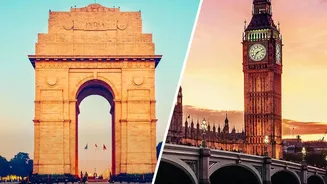


The End of Checklist Tourism
For decades, a successful vacation was often measured by the number of famous landmarks visited and photos taken. From the Gateway of India to the crowded beaches of North Goa, travel was a sprint through a pre-set itinerary. Today, that model is losing
its appeal. A growing number of Indian travellers are rejecting this ‘checklist’ approach, seeking quality of experience over quantity of sights. This evolution marks a move from being a mere tourist to becoming a conscious explorer. Instead of asking “How many places can we cover in five days?”, the question is becoming “How deeply can we experience one place?”. This new mindset prioritizes personal growth and genuine connection over simply proving you were there.
A Craving for Authentic Connection
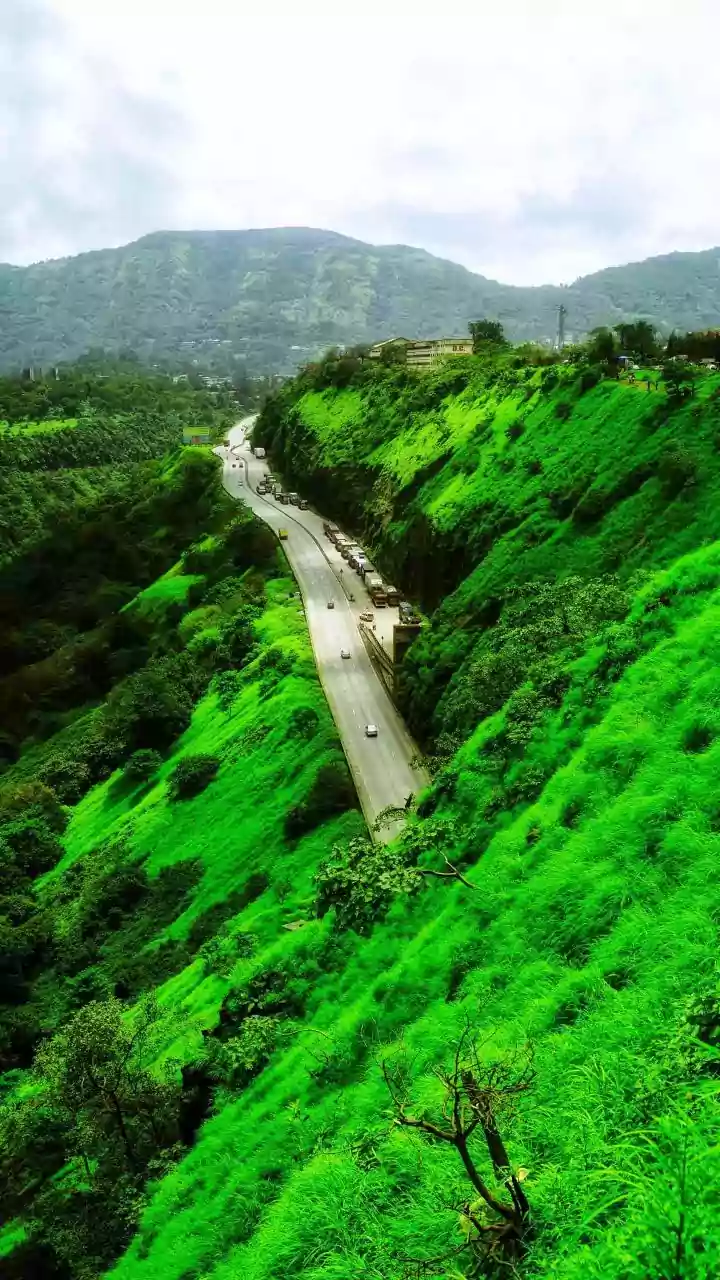
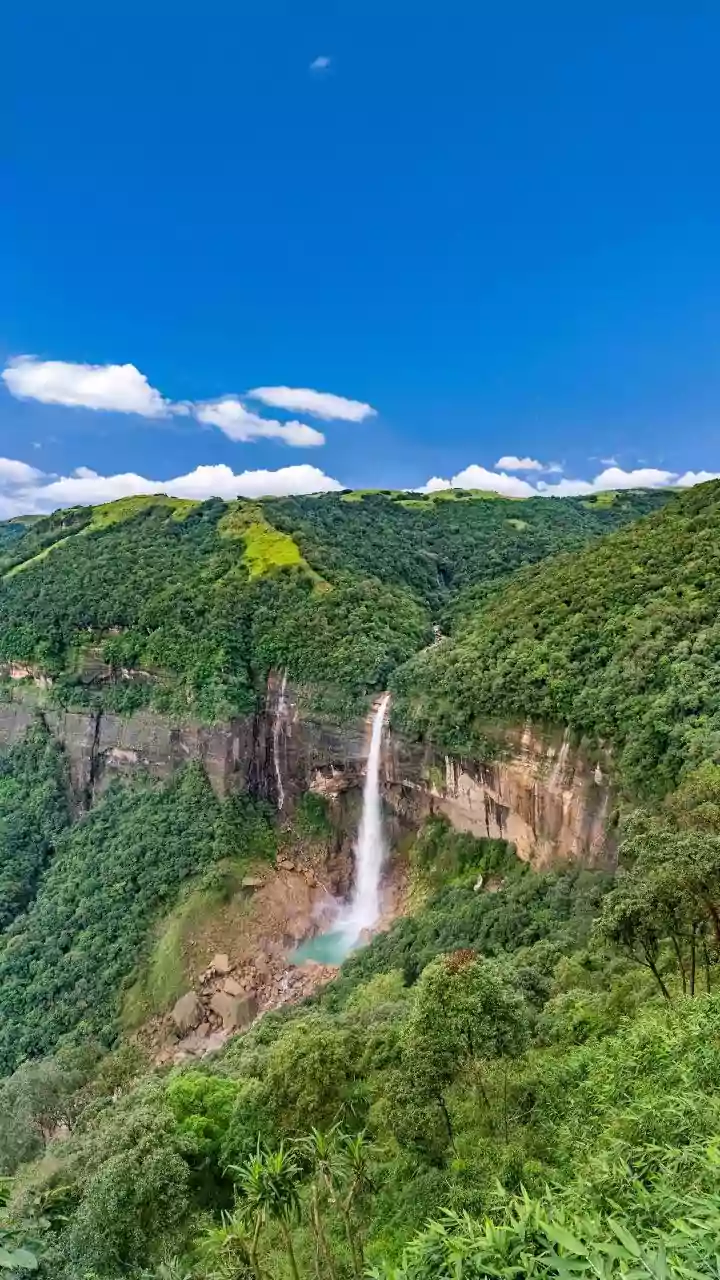
The desire for authenticity is a powerful driver behind this trend. Reports show that a vast majority of travellers now prioritize meaningful local interactions over generic sightseeing. This translates to choosing a homestay over a large hotel chain, learning a local recipe from a host, or exploring a neighbourhood market instead of a tourist souvenir shop. It’s about experiencing a destination’s true character, not a polished version curated for visitors. This search is leading travellers to India’s own diverse backyard. Lesser-known destinations in the Northeast like Aizawl and Imphal, coastal towns in Maharashtra, and quiet Himalayan villages are gaining popularity. These places offer a glimpse into local life, from distinct cuisines and crafts to unique traditions that remain untouched by mass tourism.
The Great Uncrowding: In Search of Peace
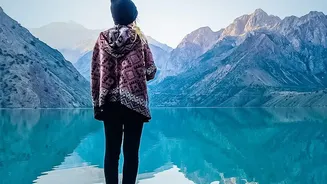
If there’s one thing that unites modern travellers, it’s a fatigue with crowds. The post-pandemic world has amplified our appreciation for personal space, and the chaos of over-tourism has become a significant deterrent. Many travellers explicitly state their holiday goal is to find places “with less humans” to disconnect from the frantic pace of city life. This has given rise to concepts like “slow travel” and “hushpitality”—a trend defined by quiet surroundings, nature, and an unhurried schedule. An Agoda report from 2026 highlighted that relaxation was the primary travel motivator for 67% of Indian respondents. Travellers are deliberately choosing the off-season or destinations that haven’t yet gone viral on social media, with some surveys indicating as many as 88% prefer a place not already flooding their feeds.
From Weekend Trips to Immersive Stays
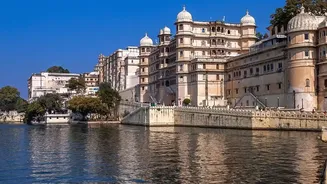
This shift isn’t just about where people are going, but how long they are staying. The rushed weekend getaway is being replaced by longer, more immersive trips. Data suggests a significant percentage of Indian travellers now intentionally extend their holidays to have more time to rest and truly soak in a destination. Instead of a frantic tour of three Rajasthani cities in four days, people are choosing to spend the entire time exploring one city, leaving room for spontaneous discoveries. This approach not only enhances the travel experience but also benefits local economies more directly. By staying longer, travellers are more likely to spend money at small, independent businesses, supporting local families and artisans rather than large corporations. It represents a more sustainable and conscious form of tourism that values depth over distance.