




The Two Titans of Taste
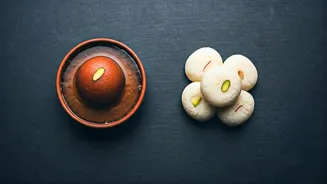
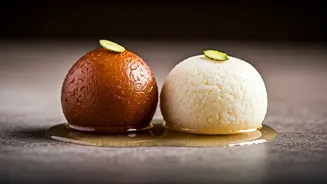
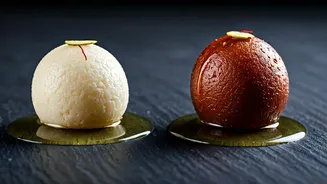
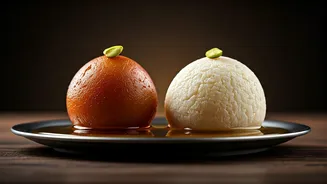
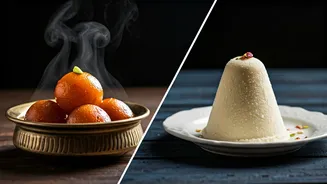
At the heart of this sweet-to-othed squabble are two desserts that, while both syrup-based, offer vastly different experiences. One is a dark, decadent globe of richness, while the other is a pristine white sphere of spongy delight. They represent more
than just taste; they are symbols of regional pride, culinary history, and cherished memories. For many, choosing between them isn't just a matter of preference—it's a statement of identity. The debate often pits North India's love for hearty, milk-solid sweets against East India's mastery of delicate, cheese-based concoctions.
In This Corner: The Indulgent Gulab Jamun
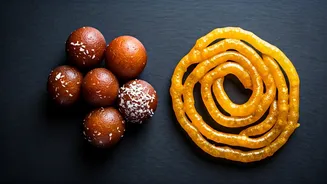
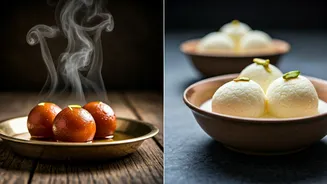
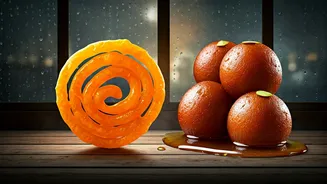
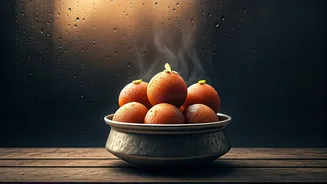
Gulab Jamun is pure, unadulterated indulgence. Its name comes from Persian: 'gulab' (rose) and 'ab' (water) for its fragrant syrup, and 'jamun' for the dark Indian fruit it resembles. Traditionally made from khoya (milk reduced to a soft dough-like consistency), these balls are deep-fried to a beautiful golden-brown and then soaked in a warm, sticky syrup often flavoured with cardamom and rose water. The result is a dessert that is dense, soft, and melts in your mouth, with a rich, caramelised exterior giving way to a succulent, syrup-soaked core. Its origins are often traced back to medieval India, with strong influences from Persian and Mughal kitchens, where it was a dessert fit for royalty before becoming a beloved treat for all.
And In The Other: The Delicate Rasgulla
If Gulab Jamun is a warm hug, Rasgulla is a refreshing splash. Known as 'Rosogolla' in Bengali, this sweet is celebrated for its simplicity and lightness. It's made from chhena (freshly curdled cottage cheese), which is kneaded and rolled into small balls. These balls are then gently boiled in a light, clear sugar syrup until they become porous and spongy, perfectly absorbing the sweetness without becoming heavy. The origin of Rasgulla has been a topic of fierce debate, famously contested between West Bengal and Odisha. Both states now hold a Geographical Indication (GI) tag for their own versions—'Banglar Rasogolla' and 'Odisha Rasagola'—testament to its deep cultural roots in Eastern India.
The Great Divide: Richness vs. Lightness
The core of the debate lies in their contrasting textures and flavours. Gulab Jamun is defined by its richness. The deep-frying process and khoya base create a dense, satisfying bite that's packed with flavour. It's often served warm, making it a comforting dessert, especially in cooler weather. Rasgulla, on the other hand, is all about its spongy, airy texture. Being boiled instead of fried makes it a much lighter option, and it's typically served chilled, offering a refreshing end to a meal. Nutritionally, Rasgulla is lower in calories and fat compared to the deep-fried, decadent Gulab Jamun. Those who favour Gulab Jamun seek comfort and indulgence, while Rasgulla fans appreciate its subtle sweetness and delicate feel.
The Final Verdict: A Matter of Heart
So, which one wins? The truth is, there's no single winner in this battle of sweets. The choice is deeply personal and often depends on the occasion, the mood, and even the weather. Gulab Jamun is the go-to for grand celebrations and when you crave something deeply satisfying and warm. Rasgulla shines as a lighter treat, perfect for after a heavy meal or as a refreshing dessert on a warm day. This enduring debate is not about which sweet is superior, but a celebration of India's incredible culinary diversity. It’s a testament to how a simple dessert can be intertwined with regional identity, history, and the sweet memories we create with our loved ones.