





From Gridlock to the Sky
The daily battle with traffic in the National Capital Region is legendary. A journey that should take minutes often stretches into hours. Now, a partnership between InterGlobe Enterprises, the parent company of IndiGo, and US-based Archer Aviation aims
to introduce a radical alternative: an all-electric air taxi service. The ambitious plan, slated to begin as early as 2026, proposes to connect key hubs in the city, promising to slash travel times dramatically. The vision is clear: lift commuters out of the endless sea of cars and into the sky, fundamentally changing the rhythm of urban life.
The 7-Minute Ride Blueprint
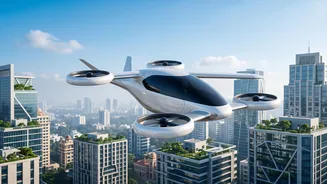
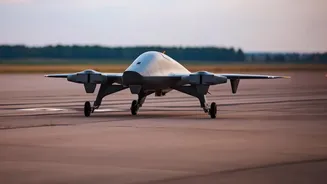
The flagship route announced for this service would connect Connaught Place in Delhi to Gurugram in Haryana. This 27-kilometre journey, which typically takes up to 90 minutes by road, could be completed in just seven minutes by air. The aircraft at the heart of this plan are electric vertical takeoff and landing (eVTOL) vehicles. These planes, like Archer's 'Midnight' model, function similarly to helicopters but are significantly quieter and safer, powered entirely by batteries. Each aircraft is designed to carry four passengers and a pilot. The initial plan involves a fleet of 200 such aircraft for operations in India, with Delhi, Mumbai, and Bengaluru as the launch cities.
Is It an Affordable Dream?
The big question for any new transport service is cost. While not a replacement for the Metro, the pricing is positioned as a premium alternative to road taxis. Initial estimates for the seven-minute Connaught Place to Gurugram flight range from ₹2,000 to ₹3,000. This is comparable to, or slightly more than, the ₹1,500 a traditional cab might cost for the same 90-minute journey. The company's goal is to make the service competitive with premium app-based car services, especially as operations scale and lower operational costs in India are factored in. The charging infrastructure is also a key consideration; the 'Midnight' aircraft can be fully charged in 30-40 minutes, with one minute of charging providing roughly one minute of flight time.
The Hurdles Before Takeoff
While a 2026 launch is the target, several significant hurdles remain. The most critical is regulation. Archer's aircraft must first receive certification from the US Federal Aviation Administration (FAA), a process that is reportedly nearing completion. Following that, it will need to be certified by India's Directorate General of Civil Aviation (DGCA). The DGCA has been actively developing a framework for Urban Air Mobility (UAM), including guidelines for vertiports (the landing and takeoff pads for eVTOLs), pilot licensing, and air traffic management. The Delhi Master Plan 2047 officially includes air taxis as a potential future mode of transport, showing government interest.
Infrastructure and Safety Concerns
Beyond regulatory approvals, there are major infrastructure challenges. Building a network of vertiports in a densely packed city like Delhi requires careful planning, land acquisition, and integration with existing transport hubs. Safety is paramount. Proposed flight paths are being designed to avoid sensitive and restricted airspace, such as Lutyens' Delhi and the IGI Airport area. Initial uses for the technology might not even be for passengers; early phases could focus on emergency services like transporting organs or critical medical supplies to prove the system's reliability and build public trust before a wider passenger rollout.