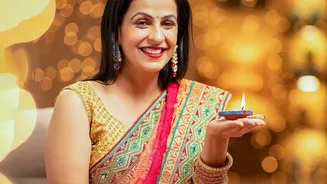


This Diwali, a delicious aroma is wafting through kitchens far beyond Maharashtra's borders. It’s the scent of 'faral'—the traditional assortment of festive snacks that is increasingly being embraced by diverse communities across India.
An Introduction to Faral
For the uninitiated,
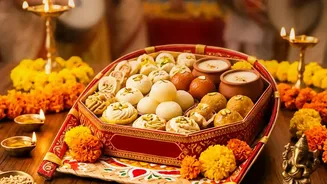
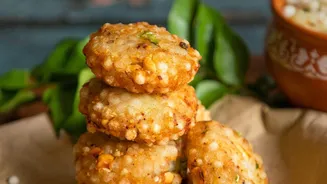
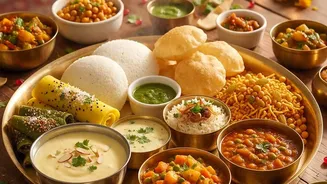
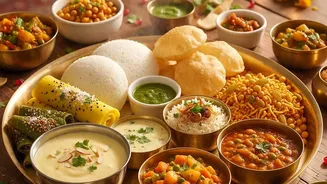
'faral' is the Marathi term for a collection of sweet and savoury snacks prepared in homes leading up to Diwali. This isn't just a plate of food; it's a cherished tradition, a labour of love meant for sharing with family, friends, and neighbours who visit during the festival. The platter is a study in balance, typically featuring crunchy, savoury items alongside melt-in-the-mouth sweets. Common stars of the faral spread include the spiral-shaped spicy Chakli, diamond-cut sweet or savoury Shankarpali, flaky crescent-shaped Karanji filled with coconut, and various types of Ladoos and Chivda (a seasoned flattened rice mixture). Preparing these items often begins days, or even weeks, before the main festival, filling the home with a palpable sense of festive anticipation.
The Urban Melting Pot
One of the biggest drivers behind this culinary crossover is India's rapid urbanization. As people from different states move to metropolitan hubs like Mumbai, Pune, Bengaluru, and Delhi for work and education, they are introduced to the cultures of their new neighbours and colleagues. In Maharashtra, it's nearly impossible to escape the infectious spirit of Diwali, and faral is central to that experience. Maharashtrian friends and colleagues often share boxes of homemade faral, offering a first taste that quickly becomes a fond memory. This exposure creates a ripple effect. When these individuals return to their hometowns or host their own Diwali parties, they bring a piece of that tradition with them, either by attempting the recipes themselves or seeking out places to buy authentic versions.
Social Media and the Home Chef Boom
The rise of social media has turned kitchens into global stages. Platforms like Instagram and YouTube are filled with beautifully shot videos of home chefs demonstrating how to make the perfect crispy Chakli or flaky Karanji. These accessible, step-by-step tutorials have demystified the process, empowering people who have never made faral to try it for the first time. Food bloggers and influencers from diverse backgrounds share their own experiences of discovering and adopting these Maharashtrian snacks, making the trend feel inclusive and inviting. The visual appeal of a well-arranged faral platter—with its varied shapes, colours, and textures—is perfectly suited for a festive Instagram feed, further amplifying its reach and inspiring others to join in.
A Unifying Act of Celebration
At its heart, the adoption of faral is a story of cultural appreciation and unity. Food has always been a powerful medium for cultural exchange in India. Sharing festive dishes is a way of extending goodwill and strengthening community bonds. By incorporating faral into their celebrations, non-Maharashtrian families are not just trying a new cuisine; they are actively participating in a tradition that represents warmth and togetherness. This act of embracing another community's festive food deepens the multicultural fabric of Indian society, where celebrations have always been a shared affair, transcending regional and religious lines. It mirrors how dishes from other regions, like North India's Gujiya or South India's Murukku, have found fans across the country.
The Convenience Factor
While the spirit of homemade faral is strong, the convenience of modern commerce has made it more accessible than ever. In the runup to Diwali, a cottage industry of home caterers and online businesses emerges, selling freshly made, authentic faral. For busy households or those not confident in their snackmaking skills, ordering a premade platter is an easy way to partake in the tradition without the intensive labour. This commercial availability has played a crucial role in popularizing faral outside its home state. It has allowed the cuisine to travel, reaching new taste buds and becoming a staple in festive celebrations far from Maharashtra.