




Start with Your Foundation: Seat Height
The relationship between your feet and the floor is the bedrock of good posture. If your chair is at the wrong height, your entire alignment suffers. The goal is to have your feet resting flat on the floor with your knees bent at a roughly 90 to 100-degree
angle. Your thighs should be about parallel to the ground. To find the right height, stand in front of your chair and adjust the seat until its highest point is just below your kneecap. If your feet dangle even at the lowest setting, don't rush to buy a new chair; a simple footrest can provide the stable support you need. This one adjustment can relieve pressure on your lower back and improve circulation in your legs.
Check Your Depth: The Two-Finger Rule
Seat depth is crucial for both support and circulation. If your seat is too deep, it can press against the back of your knees, cutting off blood flow and causing numbness. If it's too shallow, your thighs won't be properly supported. The solution is the 'two- or three-finger rule'. Sit all the way back in your chair so your back is against the backrest. Then, slide your hand between the front edge of the seat and the back of your knees. There should be a gap of about two to four inches, or the width of two to three fingers. This ensures your thighs are supported without restricting circulation to your lower legs.
Support Your Spine: Lumbar and Backrest
A common complaint is lower back pain, often from a lack of proper lumbar support. Your office chair's backrest should support the natural S-curve of your spine. Many people mistakenly position their lumbar support too low. The sweet spot is the curve in your lower back, roughly at your belt line. If your chair lacks built-in adjustable support, you can simulate it by rolling up a towel and placing it in the small of your back. Beyond lumbar, consider the recline. Sitting bolt upright at a 90-degree angle can put significant pressure on your spine. A slight recline of 100 to 110 degrees is often more comfortable and less stressful on your back.
Give Your Arms a Rest: Armrest Position
Armrests aren't just for lounging; they play a key role in reducing strain on your neck and shoulders. If your armrests are too high, they'll force you to hunch your shoulders. If they're too low, you'll lean to one side. Adjust them so your elbows rest at a comfortable 90-degree angle when your shoulders are relaxed. Your forearms should be roughly parallel to the floor as you type. If the armrests on your chair are not adjustable and get in the way of proper posture, consider removing them altogether. It's better to have no armrests than to have ones that force you into an awkward position.
Inspect for Wear and Tear
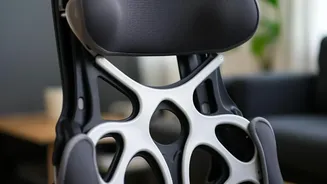
Sometimes, a chair is simply past its prime. No amount of adjustment can fix failing parts. Look for clear signs of wear. Is the seat cushion sagging or 'bottomed-out', leaving you sitting on the hard chair frame?. This lack of padding can cause hip and back pain. Check the chair's mechanics. Does the gas cylinder that controls the height still work, or does the chair slowly sink throughout the day?. Do the wheels roll smoothly, or are they broken and stiff?. Listen for persistent squeaks and creaks, which can signal worn-out components. If you notice multiple issues like a wobbly base, cracked armrests, or adjustment levers that no longer lock, it may be safer and more cost-effective to invest in a replacement.
Evaluate the Bigger Picture: Your Desk and Habits
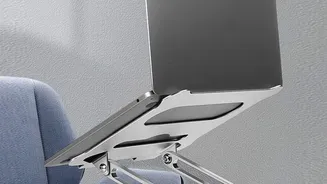
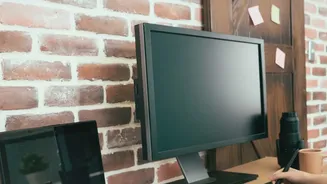
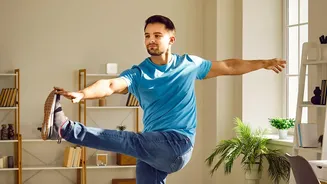
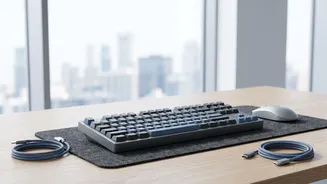
Your chair is only one part of your workstation ecosystem. Even a perfect chair can feel wrong if your desk or monitor is at the wrong height. Your keyboard and mouse should be positioned so your arms can form that 90-degree angle without reaching. The top of your monitor should be at or slightly below eye level to prevent neck strain. Also, consider your habits. The most ergonomic chair in the world can't protect you from the negative effects of sitting still for hours on end. Make a conscious effort to get up, stretch, and walk around for a few minutes every hour. Sometimes, the best upgrade isn't a new piece of furniture, but a new routine.