





The Price of Popularity
Spain is on track for a record-breaking year, potentially welcoming 100 million international visitors in 2026. This immense popularity, however, comes at a cost that travellers are increasingly feeling in their wallets. At hotspots like Barcelona's Sagrada
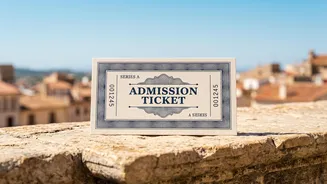
Familia, a standard ticket booked online can cost around €33.80, with no on-site ticket booths available. 'Fast-track' or 'skip-the-line' options, which are now essential to bypass security queues that can last up to 90 minutes, push the price even higher, often starting around €44. Similarly, securing a ticket for Granada's Alhambra Palace, especially one including the coveted Nasrid Palaces, requires booking weeks or even months in advance. General admission hovers around €22, but these sell out fast. The scarcity drives many tourists towards more expensive guided tours, which can range from €45 to over €100, as tour operators hold a significant percentage of the daily ticket capacity. This system creates a tiered experience where those unable to plan far ahead or afford premium prices risk missing out entirely.
Behind the Long Queues
The long waiting times are a direct consequence of 'overtourism'. Major attractions are struggling to manage the sheer volume of visitors. The Sagrada Familia, for example, processes roughly 13,000 visitors daily during high season, but its entrance infrastructure creates a bottleneck. Even with a timed ticket, visitors can expect to wait in a security line for 20 to 40 minutes during peak periods. At the Alhambra, which limits daily visitors to preserve the delicate structures, queues for ticket collection and security can exceed 90 minutes on busy days. The site's most famous section, the Nasrid Palaces, operates on a strict 30-minute entry window printed on the ticket; missing it means forfeiting entry, adding another layer of stress for visitors navigating the sprawling complex. This phenomenon isn't just about inconvenience; it's a symptom of cities struggling with a tourism model that has strained public services and infrastructure.
A Nation Grapples with Overtourism
The scrutiny over ticket prices and wait times is part of a larger national conversation in Spain about the impact of mass tourism. In recent years, protests have erupted in cities like Barcelona, Mallorca, and Málaga, with residents voicing frustration over housing shortages, rising costs of living, and the overcrowding of public spaces. The issue has become so significant that it's fuelling a wider housing crisis protest movement across the country. In response, authorities are beginning to implement measures aimed at creating a more sustainable model. Barcelona's mayor has announced plans to phase out all shortterm tourist rental licenses by 2028 and is considering higher taxes for cruise ship passengers who visit for less than 12 hours. Other regions, like the Balearic Islands and Catalonia, have implemented tourist taxes, which are added to accommodation bills to help fund environmental and infrastructure projects. These taxes can add anywhere from €1 to over €12 per person, per night, depending on the location and accommodation type.
Tips for a Smarter Visit
While the challenges are real, they don't have to ruin your trip. The key is planning and strategy. For major attractions like the Alhambra and Sagrada Familia, booking tickets online as far in advance as possible is nonstoppable. If official tickets are sold out, check licensed thirdparty tour operators, who often have reserved slots. Consider visiting during the shoulder seasons (spring and autumn) or even winter, when crowds are smaller. For any attraction, arriving at the earliest morning time slot can help you beat the midday rush. Furthermore, Spain's government is actively encouraging tourists to explore lesserknown regions to ease the pressure on hotspots. Exploring the heritage of CastillaLaMancha or the green landscapes of Asturias can provide a more relaxed and authentic experience, far from the queues and crowds of the major hubs. By adjusting expectations and strategies, you can navigate the new realities of Spanish tourism and still have an unforgettable holiday.