

![[Watch] Ishan Kishan takes Tripurana Vijay to the cleaners during 21-run over in Duleep Trophy 2026 final](https://g-mob.glance-cdn.com/public/dynamic/720x1280/dde4672fad34df9a7e338fddc91144cb3e1c566c.webp)

The Shockwave from Melbourne
The news didn't come from a grand press conference or an emotional farewell speech. It arrived via a terse press release from the Board of Control for Cricket in India (BCCI). Just minutes after captaining India to a hard-fought draw in the Boxing Day
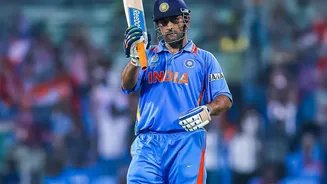
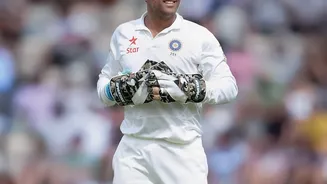
Test at the Melbourne Cricket Ground, Mahendra Singh Dhoni had retired from the longest format of the game, effective immediately. He had attended the post-match media duties without a single hint of what was to come, leaving teammates, journalists, and fans completely blindsided. The man who had led India to the pinnacle of the Test rankings had decided to hang up his whites mid-series, a move as unorthodox and decisive as his captaincy.
The Official Explanation
The official statement from the BCCI was straightforward, citing the immense physical burden on its captain. "One of India's greatest Test Captains... has decided to retire from Test Cricket citing the strain of playing all formats of Cricket," the release stated. It was a logical, if not entirely satisfying, explanation. Dhoni, at 33, was shouldering the immense responsibility of being captain, wicket-keeper, and a key lower-order batsman across all three formats. The physical toll, especially for a keeper who had crouched for thousands of overs, was undeniable. The BCCI confirmed he would continue to lead India in ODIs and T20Is, with an eye on defending the World Cup in 2015.
Passing the Baton to a New Generation
Beneath the surface of physical strain was a calculated, forward-thinking move. Dhoni could see that his heir apparent, Virat Kohli, was ready. Kohli had already captained in the first Test of that series when Dhoni was injured, scoring centuries in each innings and showcasing an aggressive, passionate style of leadership. In the years since, former Team Director Ravi Shastri has confirmed this was a key factor. Shastri explained that Dhoni knew someone was ready to take over and that the decision was made to give the next captain a clear run. By stepping aside, Dhoni allowed Kohli to take full charge for the final Test in Sydney, ending all speculation and ensuring a smooth transition.
The Burden of Overseas Results
While Dhoni had led India to the No. 1 Test ranking and had an impeccable record at home, the team's overseas performance in the preceding years had been a point of contention. Crushing 0-4 whitewashes in England and Australia in 2011-12 were followed by series losses in South Africa and New Zealand. The 2014 tour of England also ended in a 3-1 defeat. While he had just saved the Melbourne Test, the series against Australia was already lost. The immense pressure that came with these results, combined with questions about his defensive captaincy in away conditions, undoubtedly played a role. His batting form was not the issue, but the weight of captaincy and the team's struggles abroad were a significant factor.
A Personal Decision
Almost a decade after the event, Dhoni himself shed more light on the personal side of his decision. In a 2024 interview, he revealed the desire to spend more time with his family was a major motivation. He spoke about the relentless schedule of an all-format international player, being barely home, and realising that with ageing parents and a young family, he wanted to recalibrate his life. This personal reasoning aligns with the character of a man who has always valued his private life. The decision to quit Tests allowed him to focus his energy on white-ball cricket and, just as importantly, on his life beyond the boundary rope.