




More Than Just a Monsoon Meal
Every year, from mid-July to mid-August, the Malayalam month of Karkidakam brings heavy rains to Kerala. Historically, this was a challenging time of scarcity and illness, leading locals to turn inward. Central to this period of rest and rejuvenation
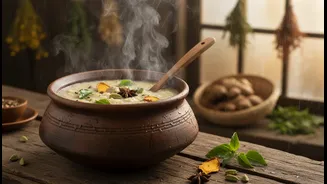
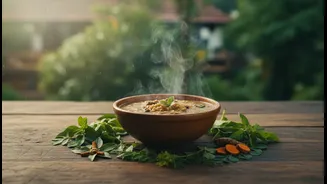
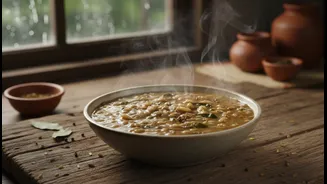
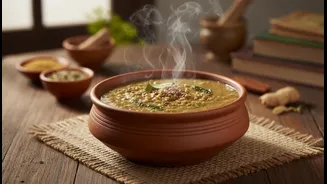
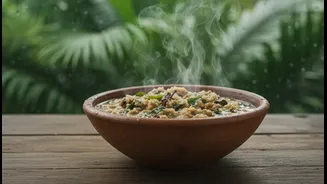
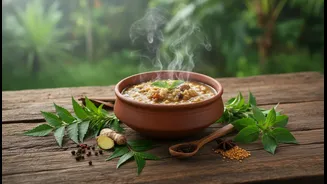
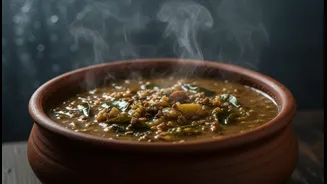
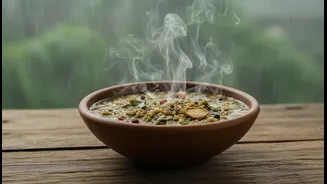
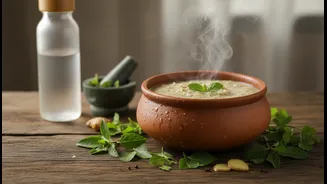
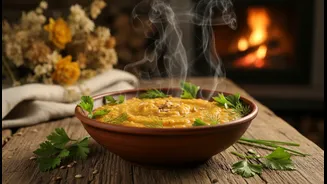
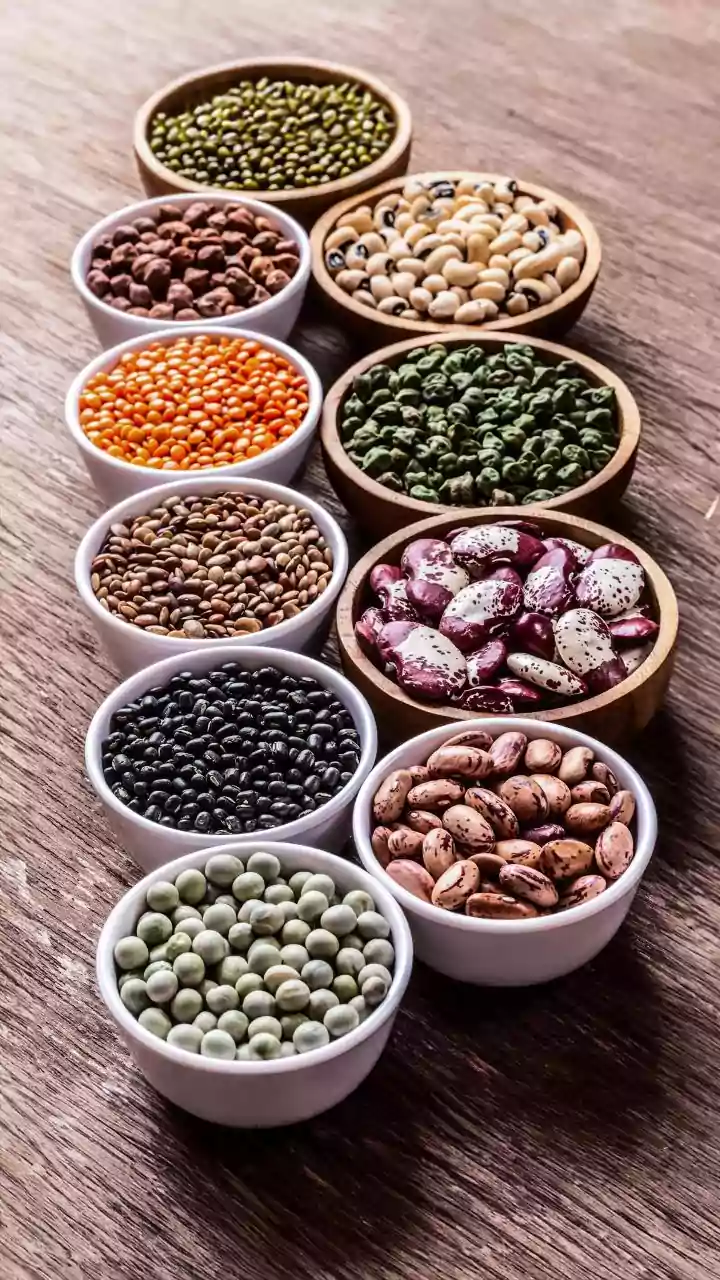
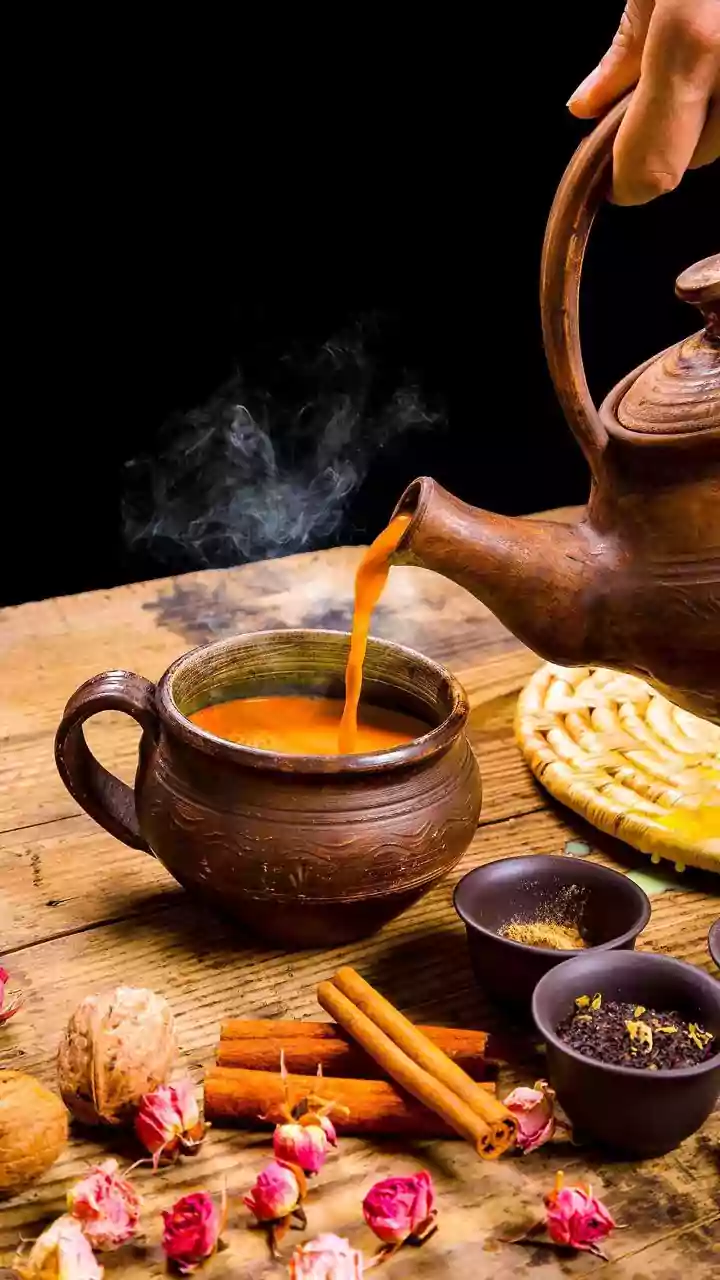
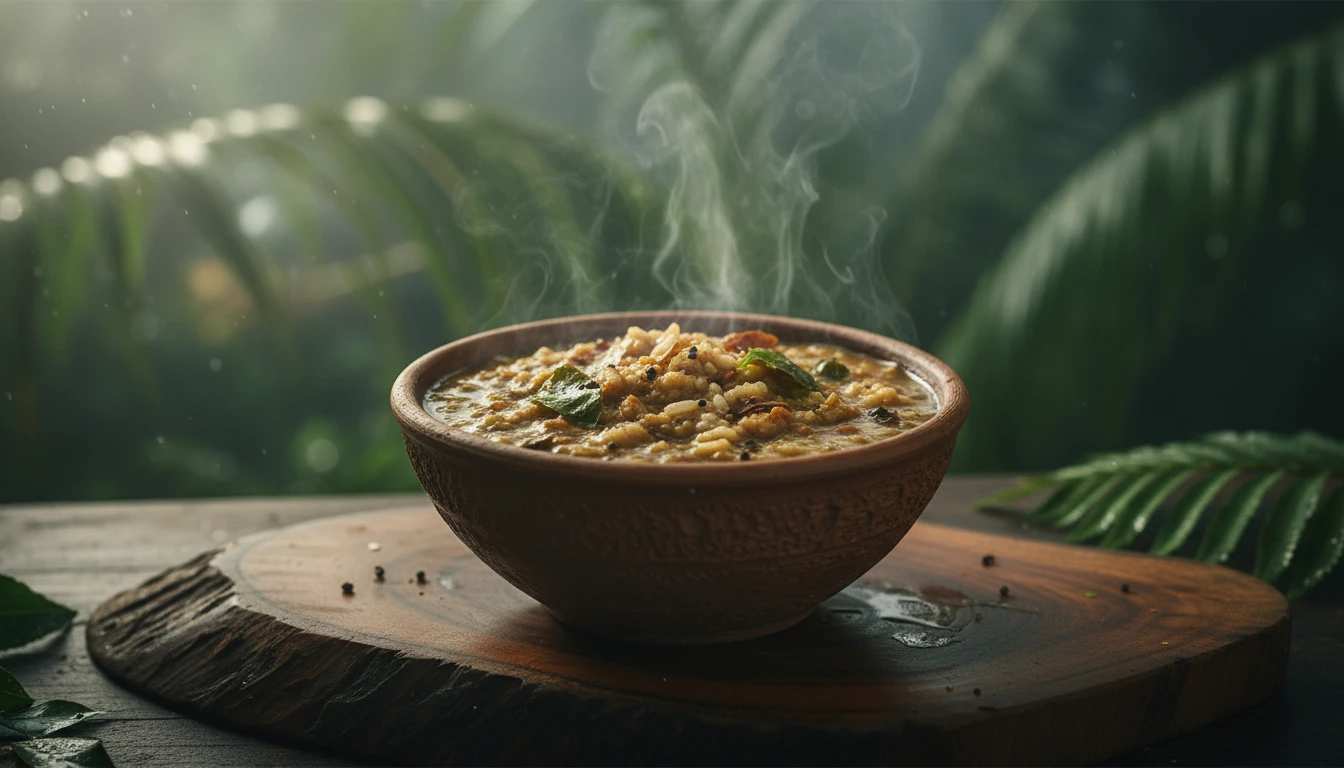
is Karkidaka Kanji, also known as Oushadha Kanji or medicinal porridge. It's a carefully crafted dish, far from being simple gruel. Typically made with nutritious Njavara red rice, coconut milk, and a complex blend of herbs and spices like dry ginger, cumin, and fenugreek, the kanji is designed to be both food and medicine. It’s a cornerstone of Karkidaka Chikitsa, the traditional Ayurvedic wellness regimen for the monsoon season.
The Wisdom of the Rains
According to Ayurveda, the human body is at its most vulnerable during the monsoon. The digestive fire, or 'Agni', is believed to be at its weakest, while the damp, cool climate can aggravate doshas (the body's elemental energies), leading to lowered immunity and joint pains. However, this period of vulnerability is also seen as an opportunity. The body’s pores are thought to be more open and receptive to healing, making it the ideal time for detoxification and rejuvenation. Karkidaka Kanji is the perfect embodiment of this principle. It is warm, light, and easy to digest, designed to rekindle the Agni while delivering potent, immune-boosting nutrients from its herbal ingredients. The practice is a masterclass in seasonal eating, aligning diet with the body’s needs and the environment’s challenges.
From Family Pots to Commercial Packs
For generations, the knowledge of which herbs to forage and how to balance the ingredients for the kanji was part of a family’s pantry wisdom, passed down from grandmothers to the next generation. The preparation was often a communal activity, strengthening family and neighbourhood bonds. In recent years, as lifestyles have changed, this tradition has evolved. Today, you are just as likely to find Karkidaka Kanji in a pre-packaged, ready-to-cook kit on a supermarket shelf as you are to find it simmering on a family stove. While this commercialization makes the practice more accessible to busy urbanites, it also speaks to a renewed interest in authentic, traditional wellness practices. People are increasingly seeking alternatives to hyper-processed foods and are looking to reconnect with ancestral wisdom.
A Blueprint for Modern Wellness
This brings us to the real opportunity presented by the Karkidaka season. To view the kanji simply as a health product or an 'immunity-boosting soup' is to miss the point. Its true value lies in the holistic philosophy it represents. In an era of disconnected, individualised wellness apps and fad diets, Karkidaka Kanji stands for something more profound: wellness that is rooted in place, seasonality, and community. It reminds us that health is not just about personal metrics but about our relationship with nature’s cycles and the people around us. The tradition includes spiritual elements too, as many families recite the epic Ramayana during this month, fostering mental and spiritual well-being alongside physical health.