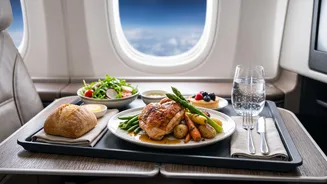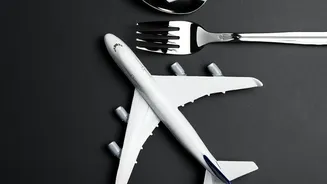





Ever wonder why airplane food tastes so bland, or why your favourite snack seems less satisfying on a mountain holiday? It’s not your imagination. The secret lies in a fascinating blend of human physiology and basic physics.
Your Senses in Thin Air
The primary reason food tastes
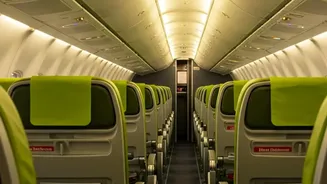
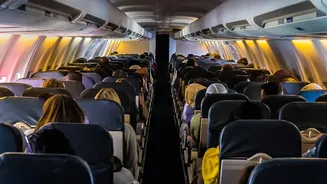
different at high altitudes has more to do with your body than the food itself. The environment inside a plane cabin is pressurized to an equivalent of about 6,000 to 8,000 feet above sea level. At this altitude, two major changes occur: air pressure drops and humidity plummets. Commercial aircraft cabins have humidity levels below 12%, which is drier than most deserts. This extremely dry air wreaks havoc on your sense of smell. Since about 80% of what we perceive as 'taste' is actually aroma, this is a significant problem. The volatile compounds that give food its distinct flavour have a harder time reaching your olfactory receptors when your nasal passages are dry, much like when you have a cold.
The Pressure on Your Palate
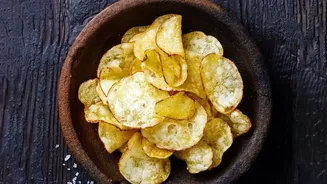
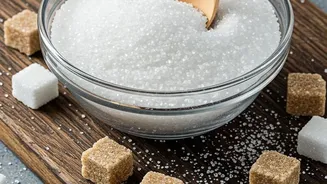
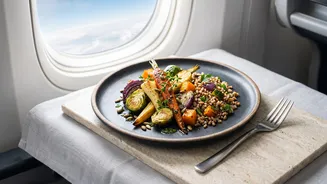
Beyond just drying you out, the combination of low pressure and low humidity directly dulls your taste buds. Research has shown that our perception of salty and sweet flavours can decrease by up to 30% under these conditions. This physiological numbing means a perfectly seasoned dish on the ground can taste remarkably bland in the sky. Your saliva production also decreases, which is a crucial element for dissolving food compounds and carrying them to your taste receptors. Interestingly, our ability to perceive sour, bitter, and 'umami' (the savoury taste found in mushrooms and aged cheese) remains largely unaffected. This explains why many people suddenly develop a craving for rich, savoury tomato juice on flights, a drink they might rarely touch on the ground.
How Cooking Changes with Elevation
It’s not just our bodies that are affected; the food itself cooks differently. At higher altitudes, the lower air pressure means water boils at a lower temperature. For every 1,000 feet you ascend, the boiling point drops by about two degrees Fahrenheit. This might sound minor, but it has a huge impact. Foods that are boiled or simmered need to be cooked for longer—sometimes up to 25% longer—to be fully done. Just increasing the heat won't speed up the process; it will only cause liquid to evaporate faster, potentially drying out the meal. This change in cooking dynamics can alter textures and the final flavour profile of ingredients before they even get to your plate.
The Chef's High-Altitude Toolkit
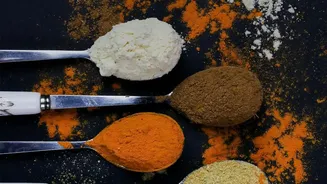
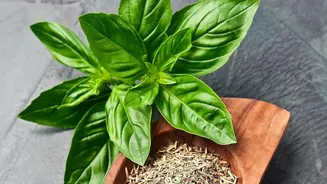
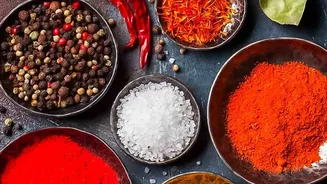
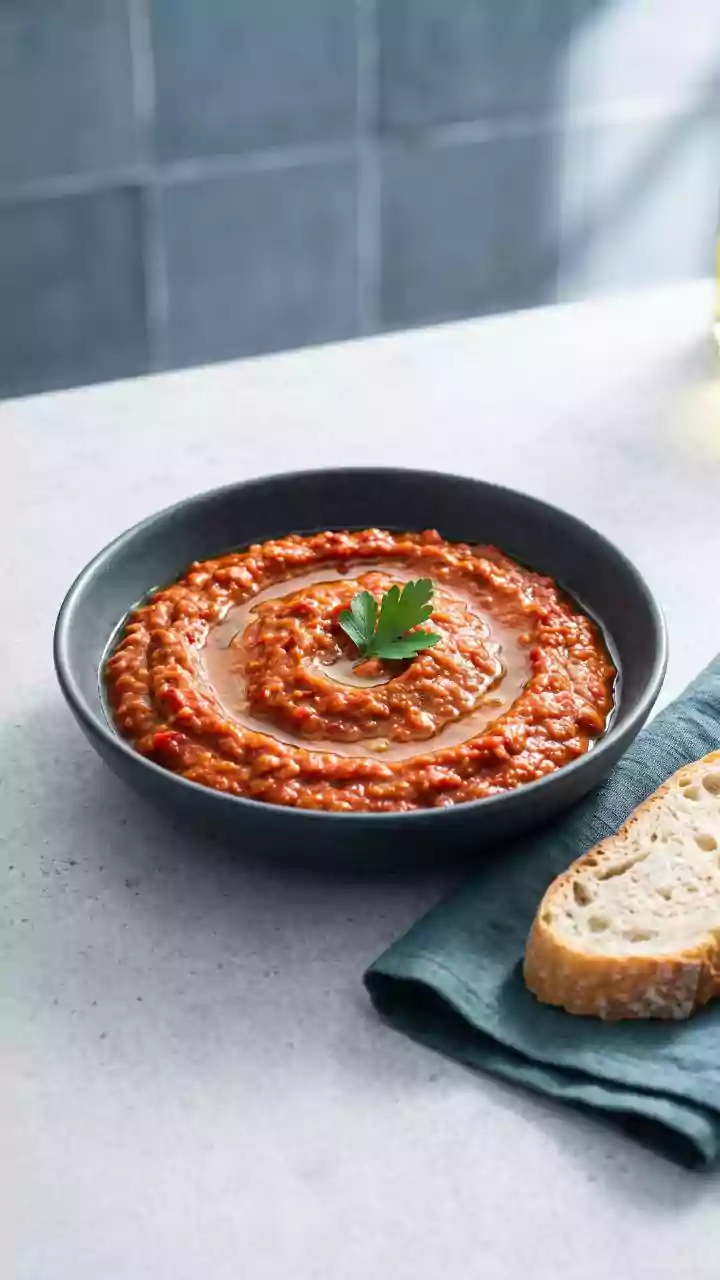
So, how do chefs and airline caterers fight back against the laws of physics and biology? They get smart with their seasoning. Knowing that sweet and salty notes are suppressed, they intentionally increase the amounts of salt and other seasonings in meals destined for high-altitude consumption. They also lean heavily on ingredients that deliver flavours that aren't diminished by altitude. This means using spices and aromatics that are naturally potent, such as ginger, garlic, and curry. Chefs also strategically use umami-rich ingredients like tomato paste, parmesan cheese, mushrooms, and soy sauce to add depth and a satisfying savoury quality that remains stable even at 30,000 feet. These ingredients effectively bypass our dulled senses, delivering a flavour punch that can cut through the blandness.
Beyond the Airplane Tray
This phenomenon isn't limited to airline food. Anyone who cooks or bakes in mountainous regions knows these challenges well. Baking, in particular, becomes a complex science project. Lower air pressure allows leavening agents to work too quickly, causing cakes to rise rapidly and then collapse. Recipes must be adjusted, often by reducing sugar (which weakens structure at altitude), decreasing leavening, and increasing liquid to combat the dry air. Whether in a highnd restaurant in the Rockies or a home kitchen in the Himalayas, success requires a distinct approach, proving that great food is not just about the ingredients, but also about mastering the environment in which they are prepared and enjoyed.