



The Problem on Our Plates
For many years, refined white flour, or maida, has been a staple in modern Indian kitchens. It’s the base for everything from soft breads and biscuits to pastas and cakes. But this convenience comes at a cost. The refining process strips wheat of its most
nutritious parts—the bran and the germ—leaving behind mostly starch. This starchy endosperm is quickly broken down by the body into sugar, causing a rapid spike in blood glucose levels. A diet high in such high-glycemic foods can lead to a cycle of energy crashes, persistent hunger, and over time, may contribute to health issues like weight gain and metabolic stress.
Understanding the Glycemic Index
Think of the Glycemic Index (GI) as a rating of how quickly a carbohydrate-containing food raises your blood sugar. Foods with a high GI (like white rice, white bread, and sugary snacks) are digested fast, causing a quick surge in blood sugar. Low-GI foods, on the other hand, are digested and absorbed more slowly. This leads to a gradual, steady release of energy, which keeps you feeling full for longer and helps maintain stable blood sugar levels. Choosing low-GI foods is a key strategy for managing long-term health, energy, and weight.
Enter Heritage Millets: Ancient Grains, Modern Solution
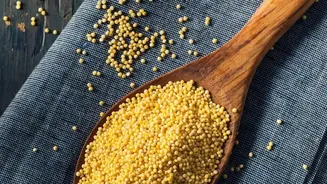
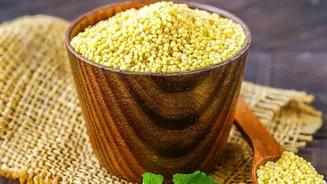
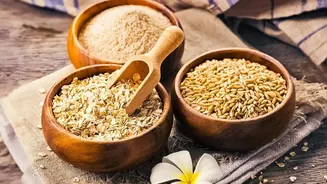
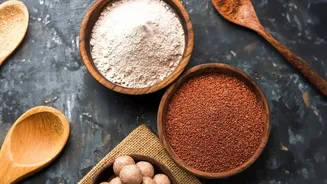
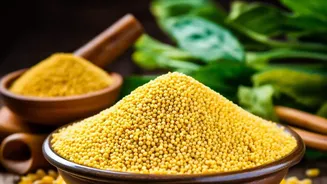
Long before refined wheat and polished rice dominated our diets, millets were the staple grains across India. These 'mota anaj' or coarse grains, such as Jowar (Sorghum), Bajra (Pearl Millet), Ragi (Finger Millet), Kangni (Foxtail Millet), and Kutki (Little Millet), are deeply rooted in our agricultural and culinary heritage. Today, they are being celebrated as 'heritage grains' because they represent a return to traditional, sustainable, and nutrient-dense eating. Unlike refined flour, millets are whole grains, retaining their natural fibre, vitamins, and minerals.
The Low-GI Power of Millets
The primary reason millets are gaining fame is their impressive low-to-medium GI profile. The average GI of millets is around 52.7, significantly lower than white rice's average of 71.7. This is thanks to their high fiber content, which slows down digestion and the release of sugar into the bloodstream. For example, Barnyard millet has a very low GI of around 41-50, while Foxtail and Pearl millet also have low GIs around 50-55. This slow energy release not only prevents sugar spikes but also improves insulin sensitivity and helps lower cholesterol, making millets an excellent choice for everyone, especially those managing diabetes or looking to maintain a healthy weight.
Bringing Millets into Your Modern Kitchen
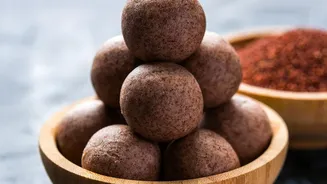
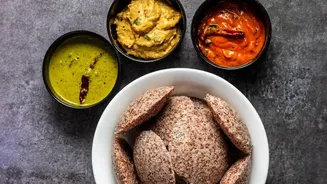
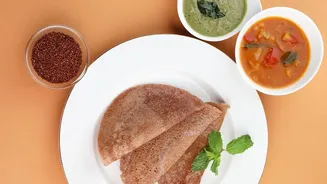
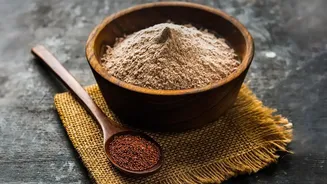
Incorporating millets into your daily meals is easier than you think. They are incredibly versatile and can be used far beyond traditional rotis. Millet flours like jowar, bajra, and ragi can be used to create a variety of delicious and healthy dishes. You can start by replacing a portion of wheat flour with millet flour in your favourite recipes. Try making fluffy pancakes with ragi flour, baking nutritious cookies and muffins with jowar flour, or preparing savoury dosas and uttapams with a mix of millet flours. Their mild, nutty flavours can add a new dimension to your breads, cakes, and even pasta.
Getting Started: A Simple Transition
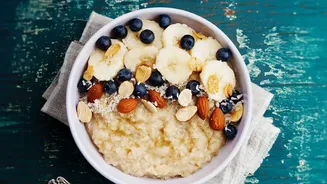
If you're new to millets, the best approach is to start slow. Begin by introducing one type of millet at a time to understand its taste and texture. A multi-millet flour blend is also a great option to get a mix of nutrients without much effort. Try swapping your regular white rice with foxtail or little millet for a meal. You could also make a simple porridge or upma. The key is to experiment and find what you enjoy. This isn't about restriction; it's about adding variety and nutrition back onto your plate.